Forebear Predicted Revolution
by Rex McVitty October 11, 1965
Today we read another article by Rex McVitty in which he quotes from Janet Livingston Montgomery’s remembrances, as recorded by her niece with a little bit of editing by Rex.
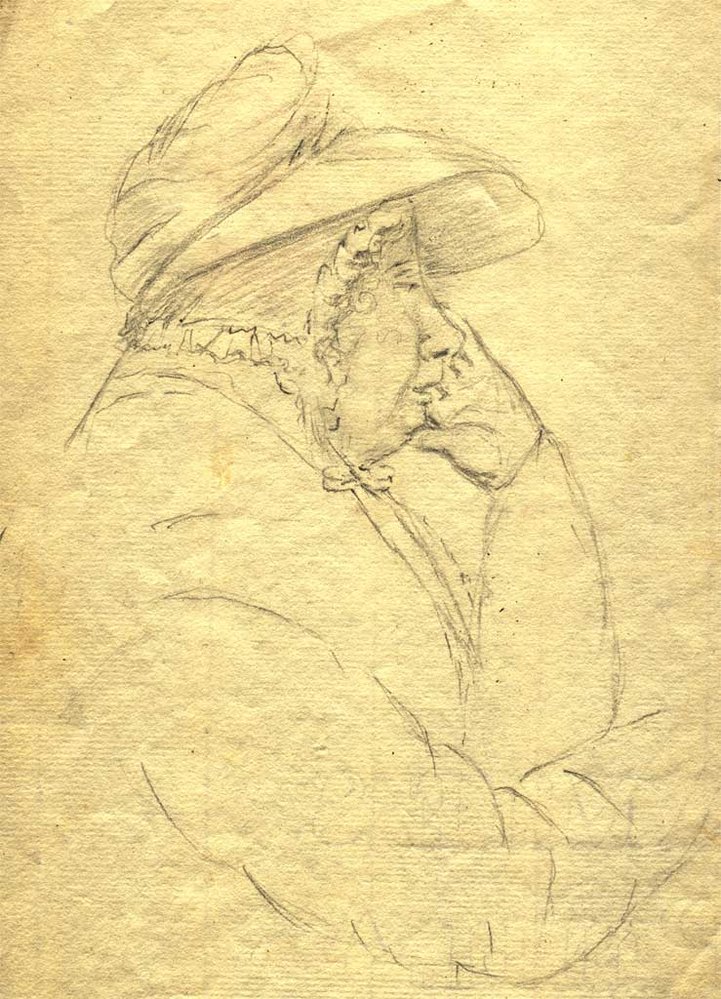
Janet Montgomery lived now with her real parents at Clermont and she was enjoying life with her brothers, sisters, and friends. She writes “No table was so surrounded it was the feast of reason and the flow of soul. We had peace and plenty in the land. My grandfather[i] alone foretold of war with England At that distant day in 1773 who would allow him to talk of it as a certain matter.”
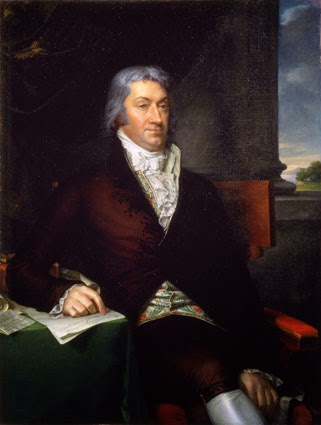
“One day he turned to my father[ii] and said you and I will never live to see this country independent Turning to my husband, Montgomery[iii], you may. Speaking to his grandson Robert[iv] you will and this proved to be truly prophetic. “
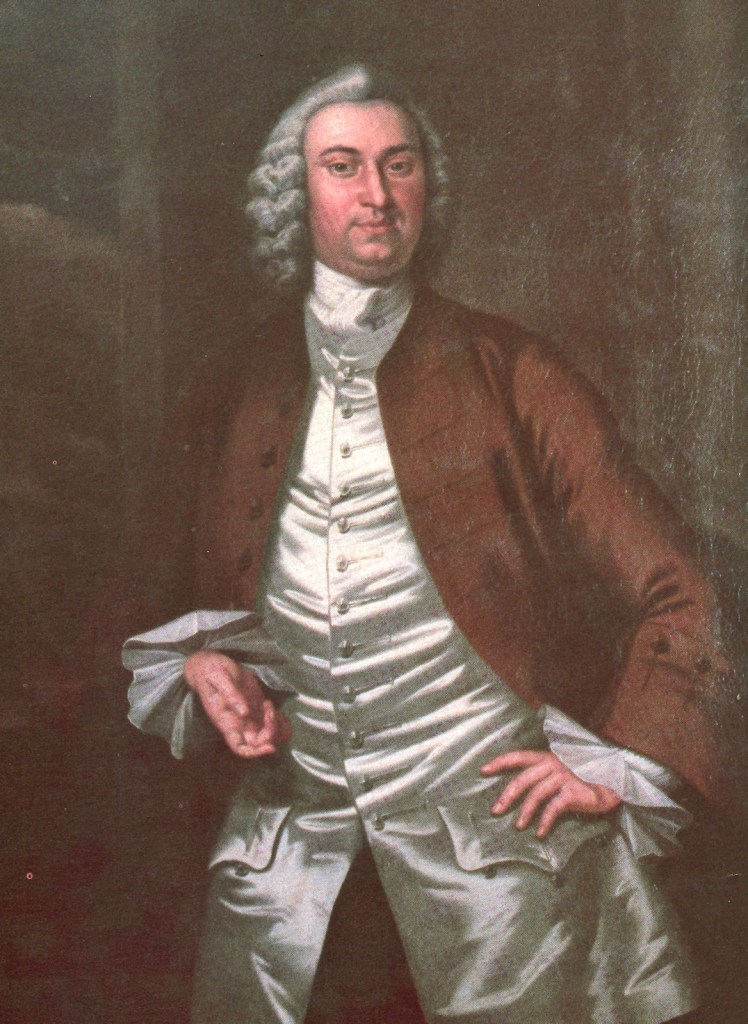
“This parent was of the old school. He wore the dress of Court and had the most polished manners. He was then in his 84th year. He always rose at five in the morning and read without ceasing. The year before he had learned German and could speak it fluently. On the outbreak of war he was in rapture. In beginning with the Bostonians he said “They have taken the bull by the horns.” His sanguine temperament made his expect with confidence our independence. “
“He seemed to begin life all over again. His eye had all the fire of youth and I believe the battle of Bunker Hill of which such a false disastrous report was made – cause his death. His last words were “What news from Boston?” His politeness was such that when he could speak no longer, he raised his head and bowed to every individual in the chamber.”
“Our dear father was holding court in Albany and only arrived in time to close his eyes. He was heard to say “my father and mother died without blessing me, and I shall die as they did.” Ever after this he never failed adding on our leaving or arriving to say “God bless you my child.””
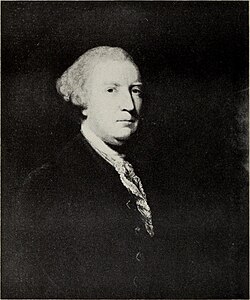
“My grandfather was a man of such respectability that the several Royal Governers [sic] did not wait his visits. Sir Henry Moore[v] arrived with his wife and daughter and he soon became my father’s friend and he was somewhat different from My Lord Cornbury.[vi] His wife was disliked as much as he was beloved. She was neither handsome or young, she detested her husband and had a host of offers at the Palace.”
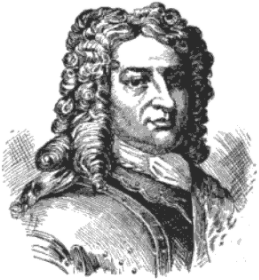
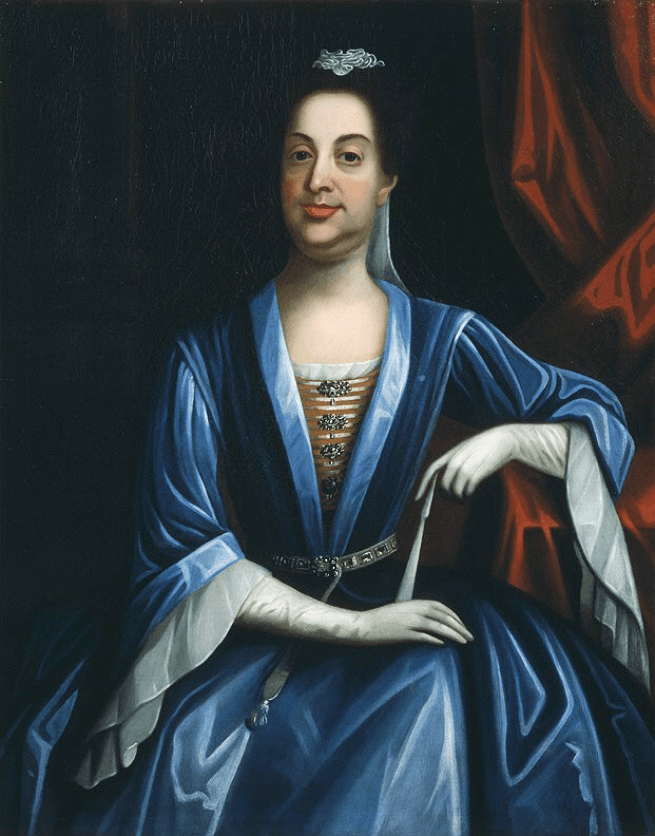
“His daughter was the most beautiful woman I ever saw. She had the look of a queen and would have graced the court she was designed for. The father corresponded with The Duke of Cumberland and it was agreed on his return he was to marry her. Her very imprudent mother destroyed these hopes – the daughter eloped with a Captain and then with her mother, when the regiment sailed, left the poor Governor to die of a broken heart.”
“The next Governor was Lord Dunmore. Of him little good can be said that I would wish to be silent. He was removed for Gov. Tryon[vii] who was much liked. His manners were mild. Though he afterwards proved a curse to his country, while he was Royal Governor for many years, he was literally our affectionate father, he brought with him a wife[viii] and daughter. Of her I can say much She was my friend and I owe her lasting gratitude. She was a character I took pains studying. Her mind was masculine, she studied everything difficult. She published a book[ix] and I fancy that would have won her heart even more if I had a taste for such useful arts.”
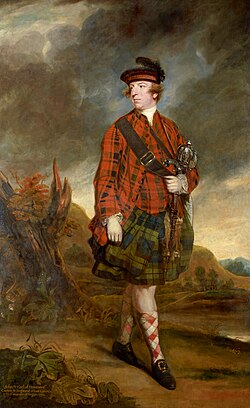

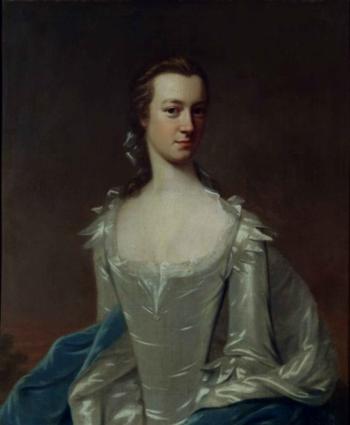
“Tough many thought her mad, she was certainly eccentric, She was the daughter of a Nabob and her father destined her for a lord. His brother was a page to the queen. The lady preferred the page and fled to Scotland. Her father was incensed and when he died, he left his estate to his brother. She had only 10,000 pounds[x] of which he could not deprive her and her diamonds and to add her distress she lost her only son, a fine youth, in Carolina, where her husband had been governor.”
“As trifling amusements were below her lofty mind and as they were essential to please the town, she found in me a substitute to please the circle and make the card tables.”
[i] Robert Livingston, the builder of Clermont 1688-1775
[ii] Judge Robert R. Livingston 1718-1775
[iii] General Richard Montgomery 1738-1775
[iv] Chancellor Robert R. Livingston 1746-1813
[v] Sir Henry Moore 1713-1769, Royal Governor of New York 1765-1769
[vi] Edward Hyde, 3rd Earl of Clarendon, Viscount Cornbury 1661-1723, Royal Governor of New York 1702-178. Cornbury was a personal enemy of Robert Livingston, 1st Lord of Livingston Manor, and may have played a role in his removal as governor. For more on that read here
[vii] Lieutenant-General William Tryon. 1729-1788, Royal Governor of New York 1771-1777 (Of course his governorship ended in all but title when New York declared independence in 1776) During the Revolution he led Loyalist forces against the Americans.
[viii] Margaret Wake Tryon 1732-1819. Her father had been governor of Bombay and when she married Tryon in 1757 her dowry was £30,000
[ix] A military treatise on fortifications.
[x] Worth only £2,066,900 today or 170,372,355.42 Albanian Leks
 Clermont State Historic Site
Leave a comment