Warning: This blog mentions several topics that may be triggering to some populations.
Speaking on the subject of slavery Thomas Jefferson once said; “We have the wolf by the ear and we can neither hold him, nor safely let him go” We tend to think of slavery as a southern issue, but it was the original sin that the United States was built upon. In the first United States census only Vermont, Maine, and Massachusetts had no enslaved people. The population of the United States was 3,929,214. Of those 697,731 were enslaved or 17.76%.
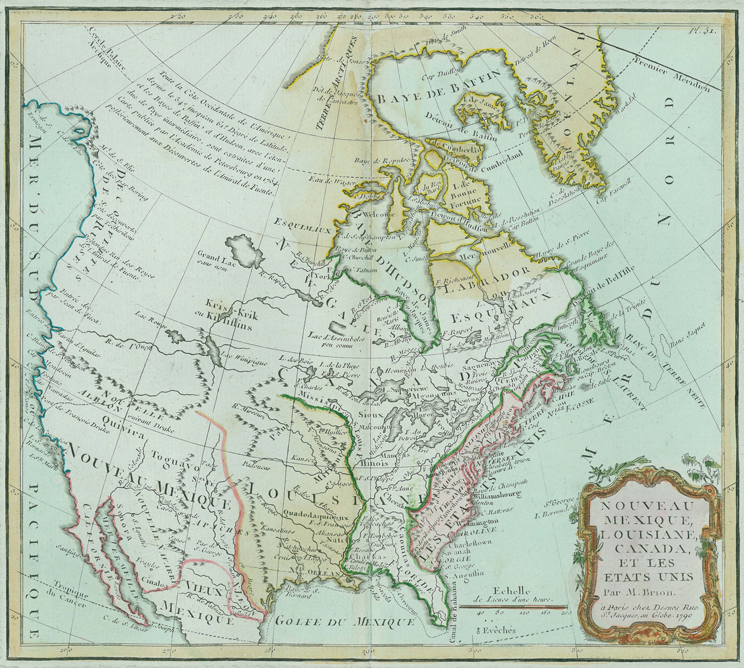
New York had the highest population of enslaved people outside of the deep south (Georgia, North Carolina, Maryland, South Carolina, and Virginia). New York had a population of 340,120 people. 21,324 were enslaved or 6.27%.
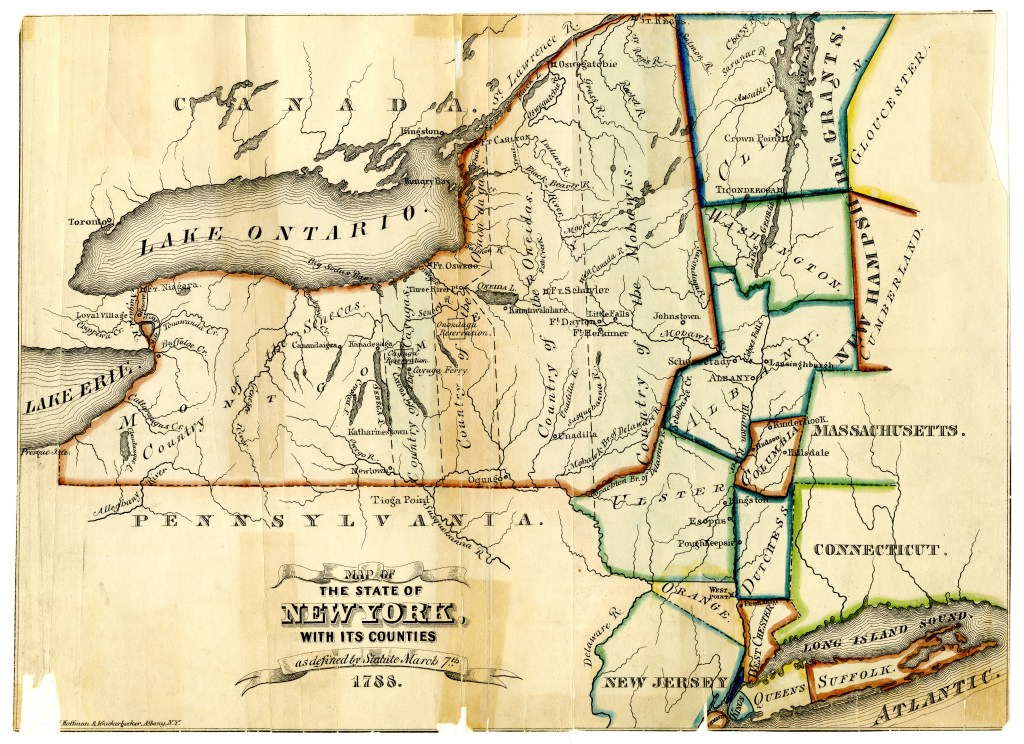
We can dig deeper though. Right down to the town level. In Clermont there were 856 people, 111 were enslaved. 13% of the population of Clermont was enslaved. That’s more than twice the rate of enslavement for the state. And this is not just because of the Livingstons as large land holders. Slavery was used throughout the town. Of 131 households in Clermont, 38 had enslaved people in them. 29% of the houses in Clermont had enslaved people. They represented .52% of New York’s entire enslaved population.
Livingston had a population of 4,691. 5.5% or 234 of those people were enslaved. Of 722 households, 85 held enslaved people or 12%. The town of Livingston held 1.09% of all the enslaved in New York.
Germantown, the smallest of the towns examined for this project, had 74 households in town, with 16 holding enslaved people or 22% of households. The whole population of the town was 458 with 30 people enslaved or 6.50% of the town’s population. Germantown held .14% of the state’s enslaved population.
In the three towns that made up the original Livingston Manor there was a population of 6,005 people. 375 of those people were enslaved (6.24%). We can infer many things from these numbers. Many of the enslaved were held in social isolation as the vast majority of slaveholders enslaved 1 or 2 people. With the town densities being much lower than they are now an enslaved person could go a very long time without seeing another person that looked like them and shared their experiences. They were never truly part of the families that they lived with. Most had no chance to form any kind of community or support network.
Slavery was insidiously woven throughout Livingston’s land. After the census of 1790 it would still take decades for all the enslaved people held across 139 out of 927 households (14.99%) to be freed. They represented 1.75% of the enslaved people in New York and .05% of the total enslaved people in America. Many enslaved people would not live to experience freedom. We should also take note that many of the enslaved people on Livingston Manor were used for agricultural work. The primary crop was wheat which also happened to be the most common crop collected by the Livingstons as rent. That wheat was shipped out into the world, in 1790 New York alone exported 1,000,000 bushels of wheat. Much of this wheat went to the Caribbean to feed the enslaved people working there growing sugar.
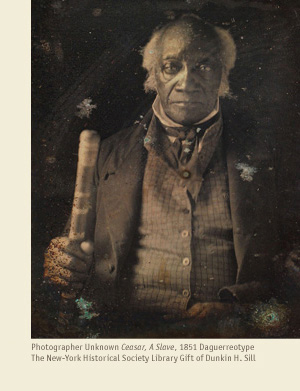
The tenants and free holders of Livingston Manor were part of a global slave society where enslaved people produced products that helped other enslaved people produce products for the use of white people. An individual farm in Clermont was part of the same system that saw 12.75 million people taken from Africa in bondage. Even those who didn’t own enslaved people themselves benefited in one way or another from this global slave society.
And what makes this worse was the fact that people understood that slavery was wrong. The New York Manumission Society formed in 1785. 5 years before this census. The first manumission society in America was formed in Philadelphia in 1775. The Society of Friends, or Quakers held anti-slavery views from their founding. In the Declaration of Independence Thomas Jefferson wrote the following paragraph:
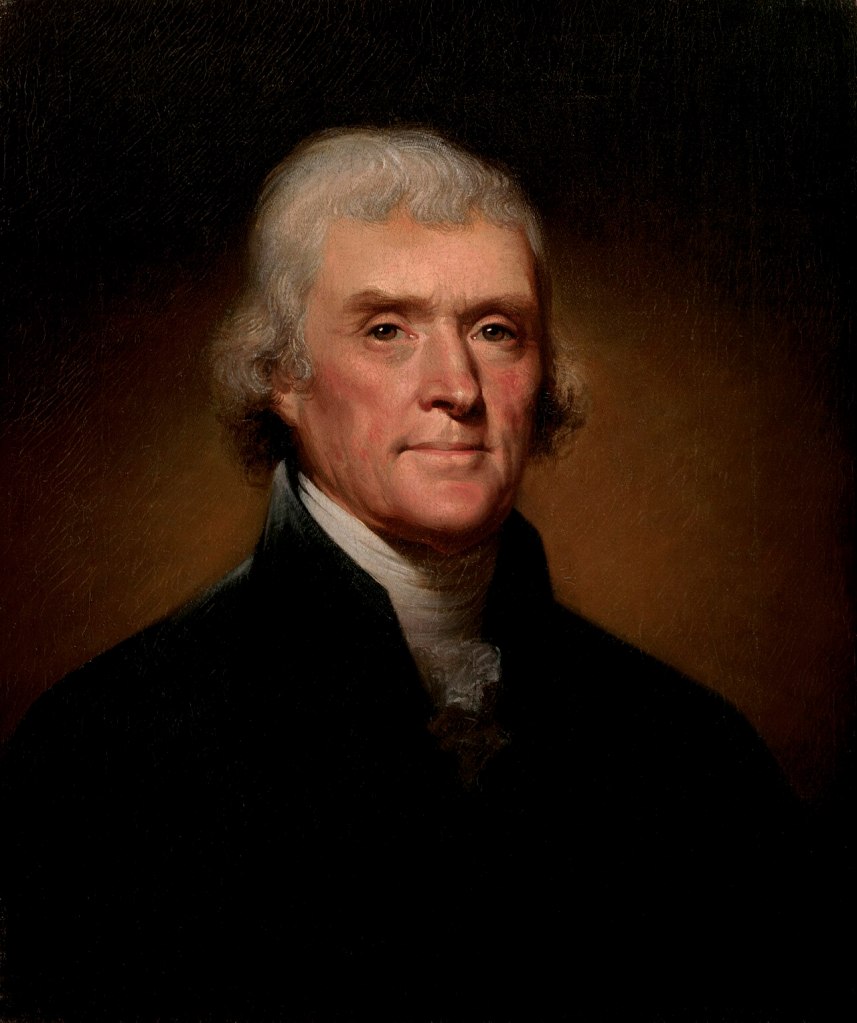
“He has waged cruel war against human nature itself, violating it’s most sacred rights of life & liberty in the persons of a distant people who never offended him, captivating & carrying them into slavery in another hemisphere, or to incur miserable death in their transportation thither. this piratical warfare, the opprobrium of infidel powers, is the warfare of the CHRISTIAN king of Great Britain. determined to keep open a market where MEN should be bought & sold, he has prostituted his negative for suppressing every legislative attempt to prohibit or to restrain this execrable commerce: and that this assemblage of horrors might want no fact of distinguished die, he is now exciting those very people to rise in arms among us, and to purchase that liberty of which he has deprived them, & murdering the people upon whom he also obtruded them; thus paying off former crimes committed against the liberties of one people, with crimes which he urges them to commit against the lives of another.”
This paragraph was cut by Congress to appease representatives, especially from the south. For instance, in South Carolina in 1790, enslaved people made up 43% of the total population. In Jefferson’s Virginia 39.14% of the population was enslaved.
I’ve also been told that Northern slavery was “better” than Southern slavery. There is really no difference. The owner held all the power in the relationship, enslaved people could be bought, sold, and moved without their consent and without thought to any familial bonds they may have with other enslaved people. For the entire time slavery was legal in New York, enslavers had the right to beat, whip, or otherwise physically punish any perceived transgression by an enslaved person. They also faced sexual violence, such as in the Livingston family when Philip Henry Livingston raped an enslaved woman named Barbara Williams. That act of violence produced a child, Christiana, who’s descendent brought us the story and helped us turn it into the exhibit “Redefining The Family” (which is available as a traveling exhibit should anyone want to display it.
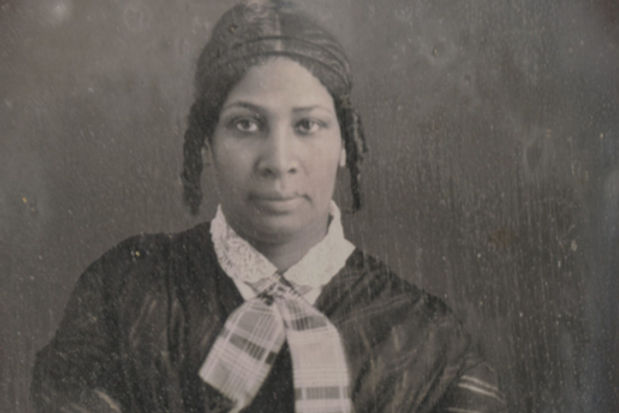
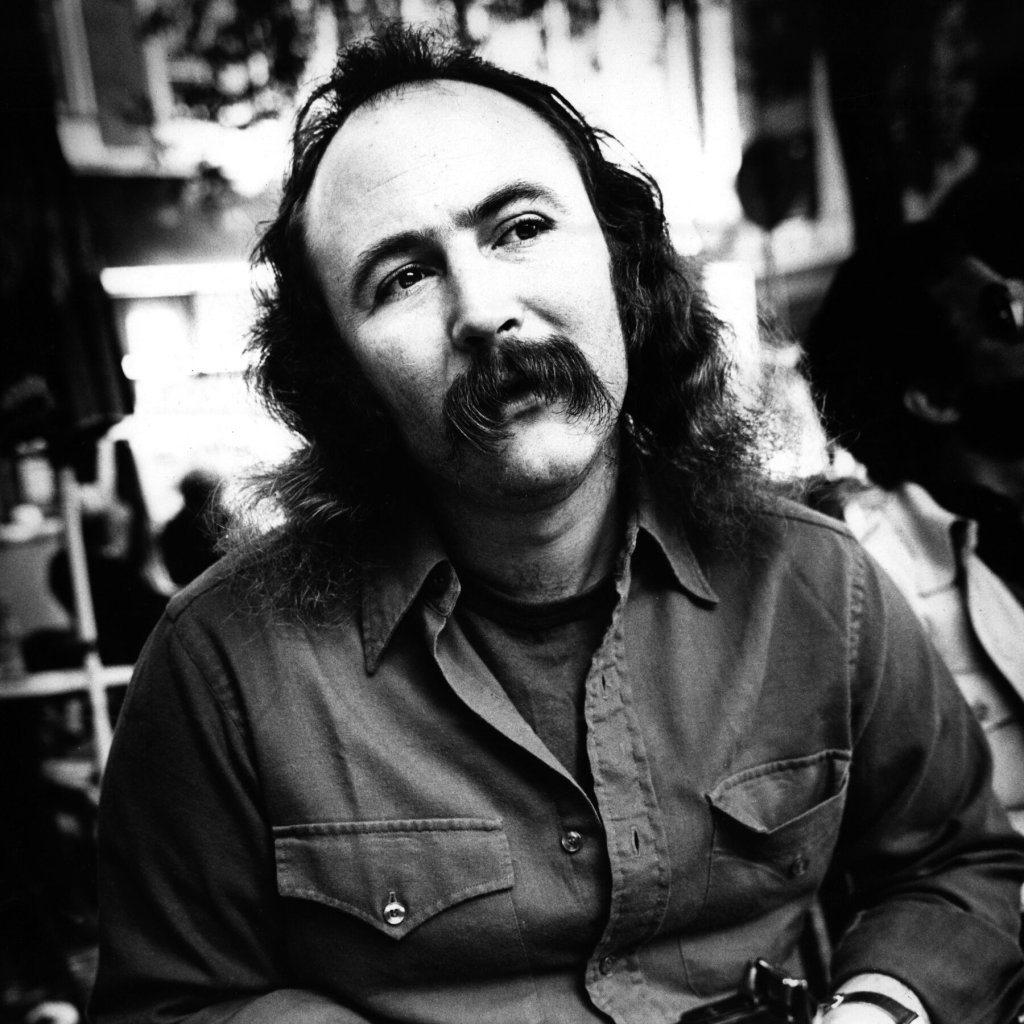
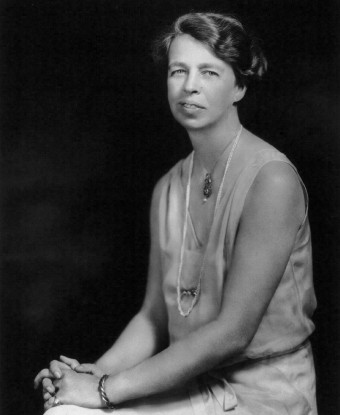
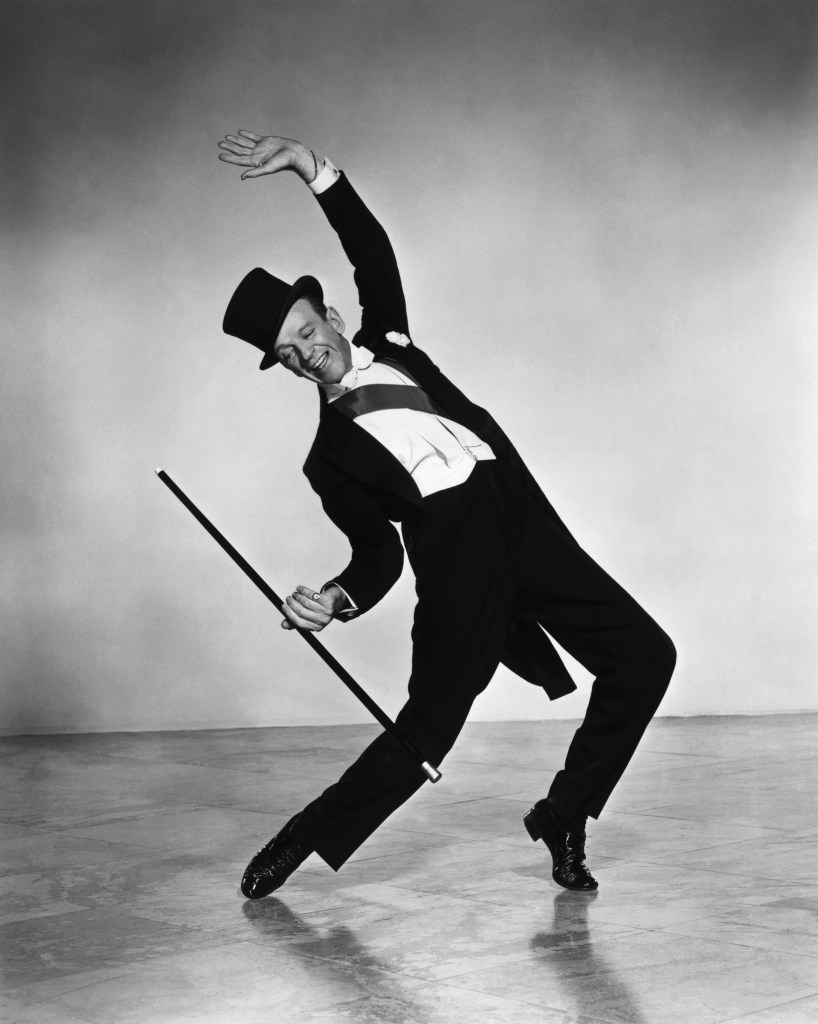
There is another aspect to slavery in the United States as well. That of wealth. Many of the wealthiest families of today built generational wealth on the backs of generations of enslaved people. Though they no longer enslave people today the wealth created for them allowed them to pivot into investing in industry which continues among many of these families today. In Germantown you will find two Rockefellers listed as owning enslaved people. With the Livingstons the money is pervasive, and you’ll find descendants such as both President George H.W. Bush and President George W. Bush, Eleanor Roosevelt, and the Astor family. Fred Astair married into the Livingston family and David Crosby was a Livingston Descendent. Family wealth passed down through the Livingstons was ultimately derived from enslaved labor.
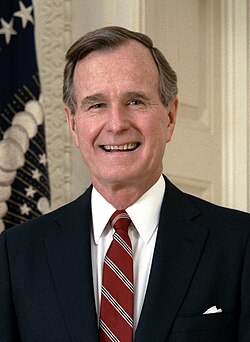
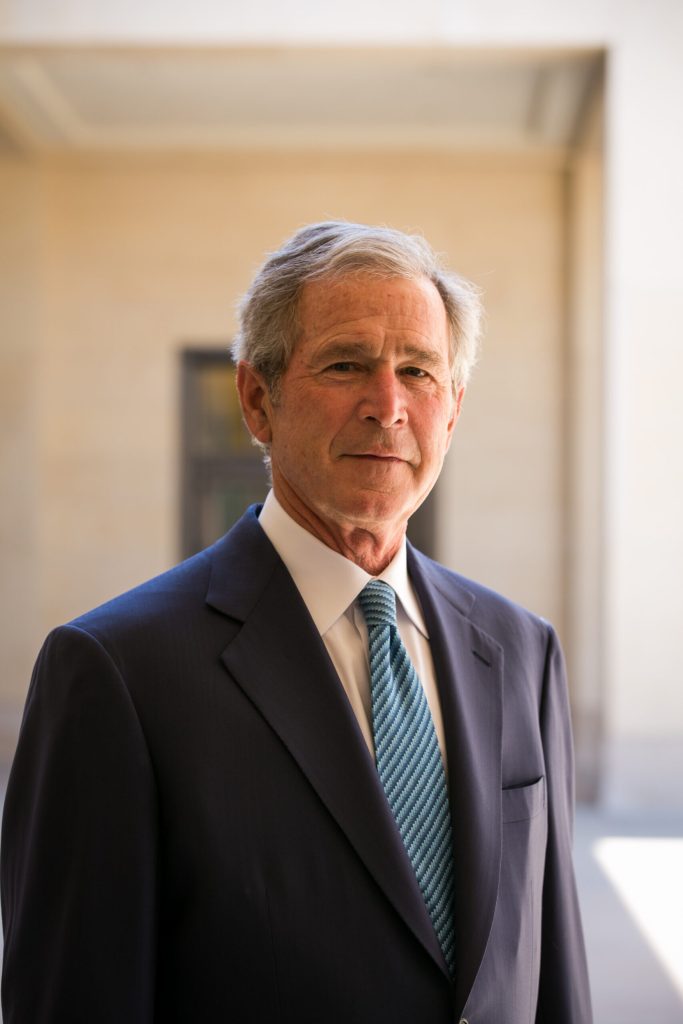
Slavery, the act of owning another person, is and always has been abhorrent. But it is necessary to understand that the abhorrent act was not whole of the person necessarily. Robert R. Livingston was a lifelong enslaver but his contributions to the building of the United States are undeniable, as are Washington’s and Jefferson’s and many others we include in the pantheon of the founders. So please take this next part in that spirit and not as a condemnation. I’m going to list the people of Livingston Manor who owned enslaved people in 1790. (For full disclosure I am descended from Coonradt Lasher Jr. who is on the list.)
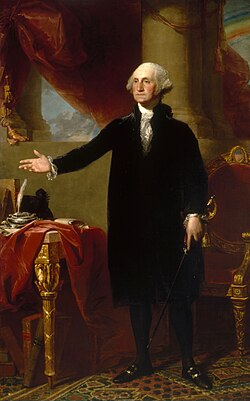
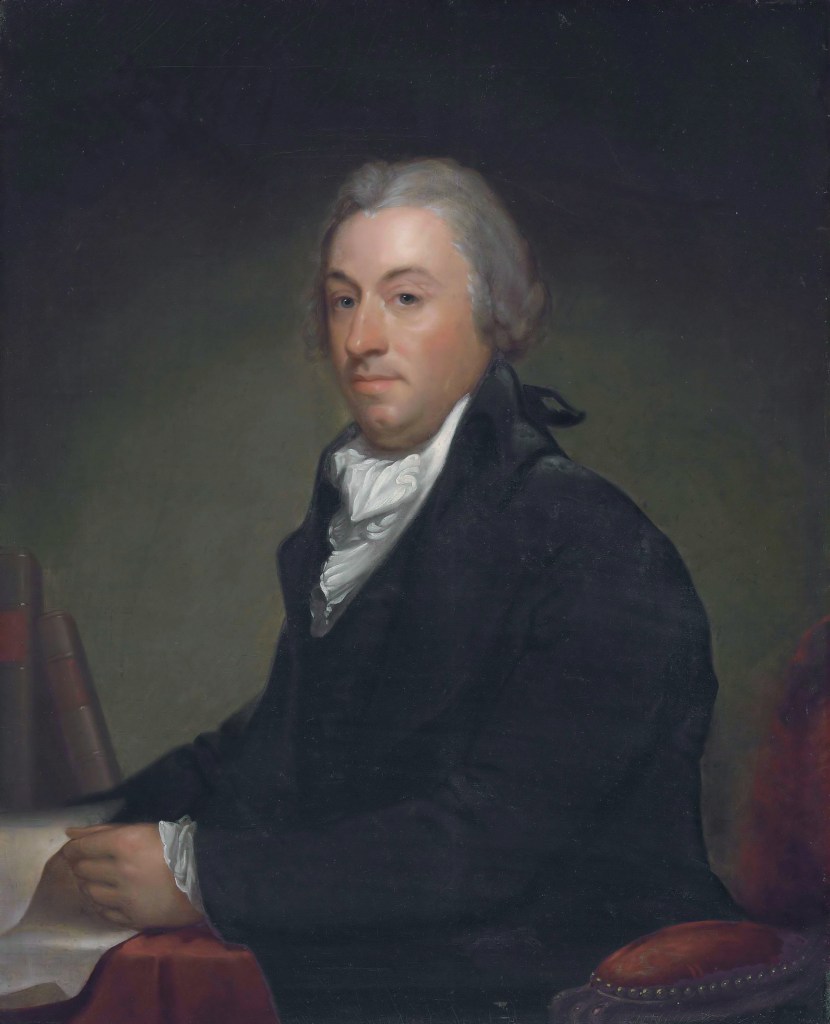
*oil on canvas
*35¼ x 28½ inch
*18th century
Clermont:
| Best | George |
| Blatner | Mathias |
| Blatner | Mark |
| Bower | Jacob Jr. |
| Clum | Philip |
| Clum | Philip H. |
| Coon | William H. |
| Coon | Simon |
| Cooper | John |
| Cremer | William |
| Diedrich | William |
| Fuller | David |
| Gardiner | Andrew |
| Gilmer | George |
| Gilmor | John G. |
| Gilmor | John G. Jr. |
| Gilmor | William G. |
| Hermans | Jacob J. |
| Lasher | Mona |
| Lasher | Coonradt Jr, |
| Lasher | Johannis B. |
| Linch | William |
| Linch | Philp |
| Livingston | Robert R. |
| Livingston | Margaret |
| Minkler | John |
| Moor | Christian |
| Proper | George |
| Rockefeller | Philip D. |
| Schermerhorn | John |
| Shulds | Casparus |
| Smith | Henry |
| Ten Broeck | Samuel |
| Ten Broeck | Gertrude |
| Ten Broeck | Leonard |
| Ten Broeck | Dirck W. |
| Wilson | William |
| Winn | Gradus |
Livingston
| Bain | Hugh |
| Bain | Peter Jr. |
| Benham | Peter |
| Best | William |
| Best | John |
| Bressac | Andreas F. |
| Bressac | Cornelius |
| Bryant | William |
| Carmer | Peter |
| Cole | Hendrick |
| Conine | Leonard |
| Coon | Jacob J. |
| Cub | William |
| Daft | Nicholas |
| Decker | Abraham |
| Finger | Jacob |
| Fonda | John A. |
| Fratts | Philip |
| Ham | Jacob |
| Haver | Jacob |
| Herder | Philip |
| Herder | William Jr. |
| Hermans | Nicholas |
| Hoffman | Philip |
| Hoffman | Hendrick |
| Hollenbeck | Samuel |
| Kilmor | Nicholas |
| Lantman | Peter |
| Lasher | Johannis |
| Latham | James |
| Leonhardt | Peter |
| Livingston | Peter R. |
| Livingston | Robert J. |
| Livingston | Robert J. |
| Livingston | Walter |
| McDonald | Caty |
| McFall | John |
| Mesick | Hendrick |
| Miller | Adam |
| Miller | Fite |
| Miller | Jonas |
| Miller | Peter |
| Morrison | William |
| Muller | Jacob |
| Paten | John J. |
| Perry | Daniel |
| Peters | Cutin |
| Petrie | Jacob |
| Plass | William |
| Platner | Christopher |
| Platner | Anne |
| Proper | Baltis |
| Rechter | Johannis |
| Rechter | Jacob |
| Ries | Hendrick |
| Robertson | Peter |
| Robertson | James |
| Rockefeller | William |
| Rockefeller | Peter |
| Romiser | Jeremiah |
| Rossman | Jacob |
| Shaver | John H. |
| Shaver | John |
| Shurts | Petrus |
| Shurts | Andreas |
| Silvernail | John |
| Smith | Michael |
| Smith | Nicholas M. |
| Smith | Hendrick |
| Smith | Killan |
| Spikerman | Abraham |
| Stale | Johannis |
| Stall | Hendrick |
| Strickle | Petro |
| Strobel | John |
| Ten Eyck | Abraham |
| Ten Eyck | Barent |
| Ten Eyck | Johannis Jr. |
| Van De Bargh | Bernard |
| Van De Bogart | Peter |
| Van Deusen | James |
| Van Deusen | Nicholas |
| Volart | Zachariah |
| Weaver | Hindrich P. |
| Wigsam | John |
| Williams | Aaron |
| Yager | Peter |
| Young | Benjamin |
Germantown
| Barker | Philip |
| Chapman | William |
| De La Mater | Abraham |
| Joiner | Coonradt |
| Keirsted | Nicholas |
| Kortz | Christopher |
| Lasher | Coonradt |
| Lasher | Marks |
| Low | John |
| Moor | John |
| Rockefeller | Philip |
| Rockefeller | Diel |
| Staats | Philip |
| Will | Margaret |

 Clermont State Historic Site
Leave a comment