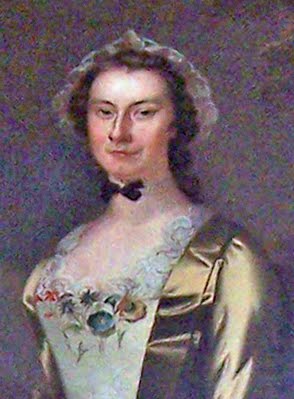
 I\’ve got Peggy on my mind. One of the quirks of being a historian is that you feel like you get to know people who have been dead for a few hundred years. Margaret Beekman Livingston was Peggy to her close friends and family, and that is how I\’ve come to feel about her. Now that I\’m presenting a talk on her at the Great Estates Symposium, we\’ve got to get to know one another a little better.
Stories about the Revolutionary War heroine of the Livingston family abound: she rebuilt the mansion after it was burned by the English army; she picked the first governor of New York State; she died suddenly in the dining room. Some of the stories are myths, and some are exagerations, and some are true. The game now is to pick apart one from the other and find the \”Old Lady of Clermont\” at the center of it all.
That so many stories exist about Peggy gives some clue to the importance she had in this family. Whether or not they are strictly true, it is Margaret Beekman Livingston that the stories are told about, rather than family other women who lived in the same time period. For instance, we know almost nothing about her daughter-in-law Mary Stevens Livingston or her mother-in-law Margaret Howarden. These two women were part of her daily life at Clermont, and yet we don\’t even know what year Margaret Howarden died! It was Peggy\’s powerful familial influence that was passed down from generation to generation.
 The story of her early life is one that is not uncommon amongst wealthy 18th century women.
Like many women, she was intially defined by her association with powerful men. She was the daughter of Henry Beekman of the wealthy Rhinebeck Beekmans. She was the wife of Judge Robert R. Livingston (pictured at left). She was the mother of Chancellor Robert R. Livingston.
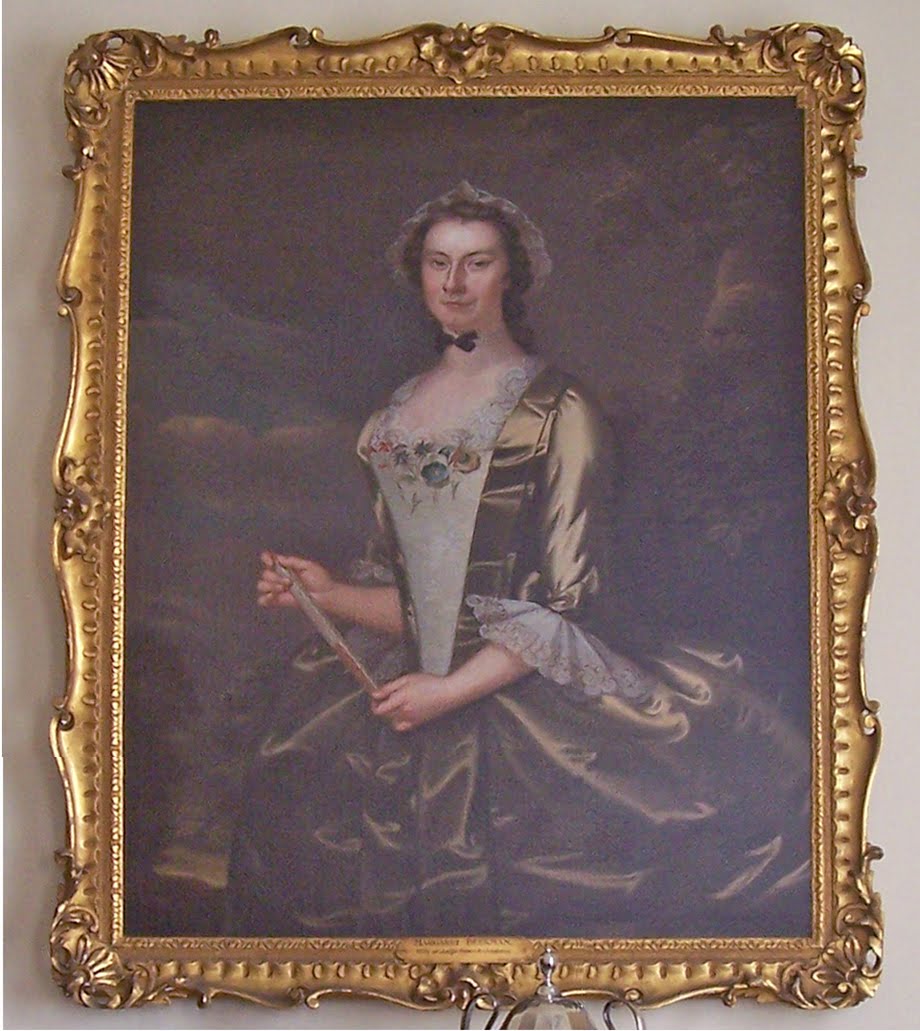 About her personally, we know that her Livingston mother died shortly after her birth, and she was raised by a maternal aunt in Brooklyn. As an adult, she was an intensly religious woman who kept a diary filled with her sentimental musings on faith. She was married at 18 and shared a very affectionate marriage with the Robert the Judge. \”You are the cordial drop with which Heaven has graciously thought fit to sweeten my cup,\” he wrote in a letter to her once. They spent their winters in a town house in New York City and their summers at Clermont with his parents. She had eleven children in 22 years.
It was in 1775 that Margaret\’s life changed dramatically. Within seven months her father-in-law, father, and husband all passed away, leaving her as the proprietress of the Beekman patent and Clermont. It is at this point that we start to get the big stories about her, particularly as surround the burning of Clermont:
 In october of 1777, English General Howe (at right) sent troops up the Hudson towards Albany. As General Vaughan lead these forces north, he began burning out the homes of rebellious families (the obvious problem here being that technically he was committing acts of violence against his fellow English citizens since the King hadn\’t recognized us as a seperate country yet).
 Several stories have been immortaziled about this event in town histories and family lore. We know that somehow Mrs. Livingston got word ahead of time that Vaughan was commiting these acts and that on October 15, two days before he arrived at Clermont, she left with her youngest children for Salisbury, CT.
One family story puts she, her children, and her slaves wildly packing a broad array of furniture and moveable goods, then hiding silver, china, and mirrors in the surrounding outbuildings and wells before they left. But archeological evidence shows that many fine furnishings and china were burned with the house, meaning that she probably did not have as much time as she would have liked to remove her valuables, and thus many were destroyed with her home.
Two different family stories of her departure have been preserved in local histories or family recordings. One states that since she and her family were housing an English prisoner of war, he offered to speak to Vaughan on her behalf and save the house. According to the story, she insisted that her house be burned like the other patriots. Another puts she and her family actually departing by wagon on the hill above Clermont, when they looked behind them and saw the smoke from the house already curling through the air. Letters between she and her son show however, that she had been clear of the house for two days before Vaughan arrived on the 17th to burn the house.
Yet one more story, recorded in a 1924 history of the region, persists from this era: that Mrs. Livingston selected New York\’s first governor.
Shortly before the delegates, who declared NY independent, met at Kingston, a number of the most influencial met at Clermont, to consider, among other questions, who should be the first governow. A valid objection to every person was raised until Mrs. Livingston proposed G. Clinton. Her suggestion was received with acclamation…\”
But even this story has been soundly abused by the Chancellor\’s most avid biographer George Dangerfield.
 When left at the head of the massive estate of Clermont, she decided against remarrying in order to find someone who would manage it. Perhaps it was the idea of letting the Livingston name cease to be lord of Clermont or perhaps she simply felt confident enough in her own skills to do it alone. She had grown up in the Livingston tradition of women who were involved with the family business (Alida Schuyler Livingston pretty much ran the manor while her husband was regularly away) so it was likely that she had not been kept completely out of the loop for the past 33 years of estate management. Nevertheless, managing the large estate and its population of tenants was no small job that many women may have considered easier with a new husband.
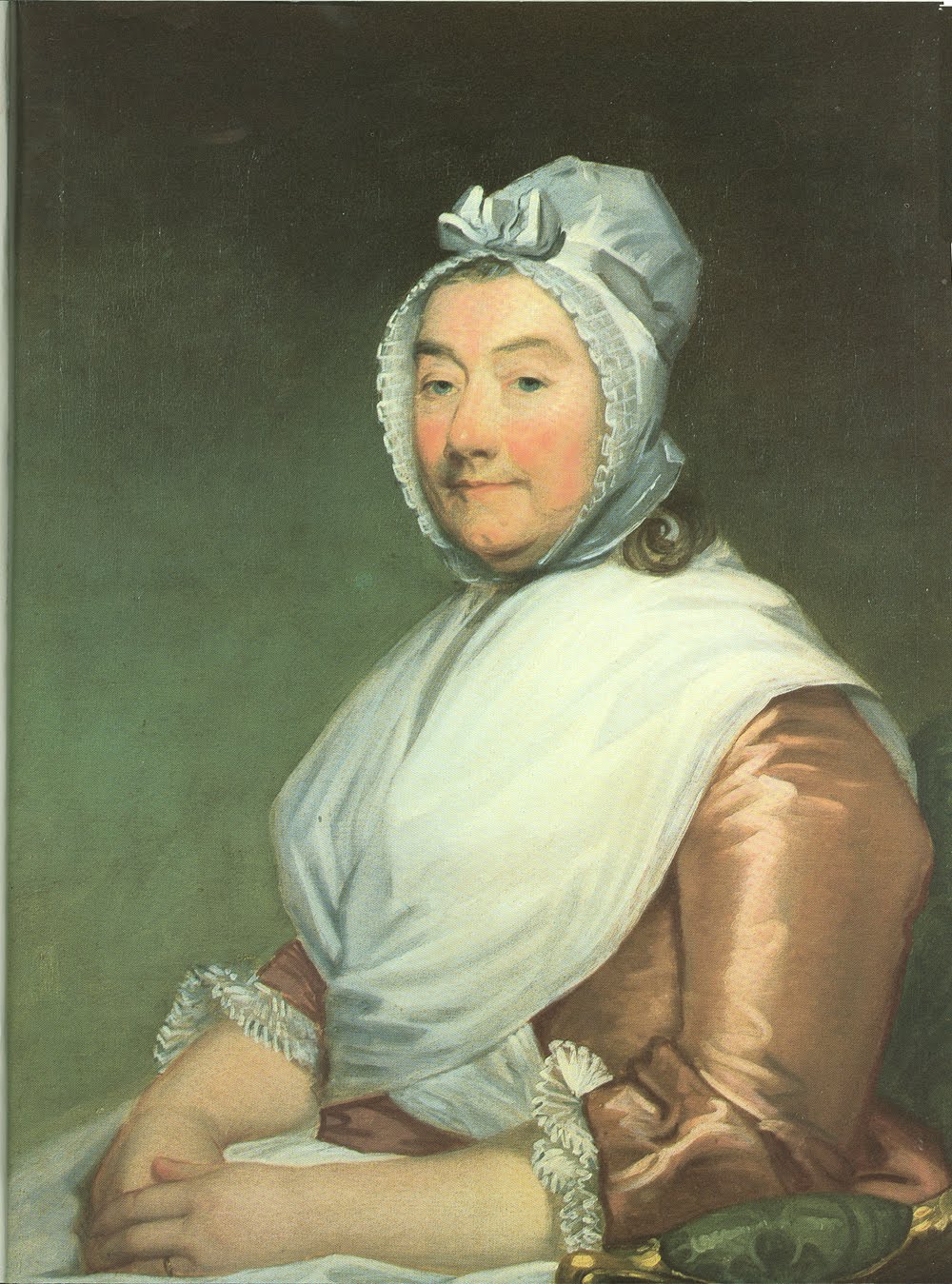
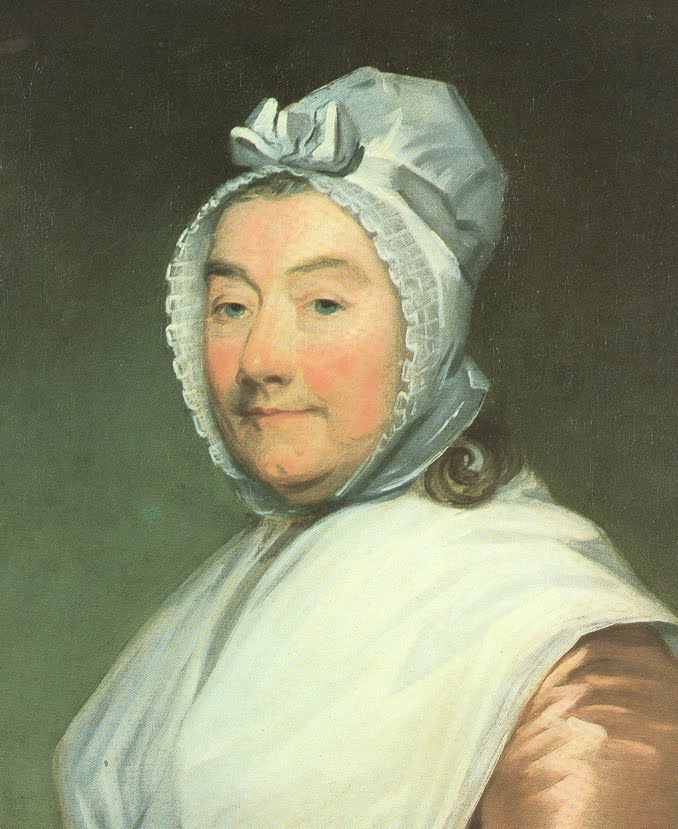 The old lady of Clermont took her leave of this world with great eclat. She walked about the garden [at Clermont] and did business all the morning, had several of her friends to dinner of which she amply partook. In taking a glass of wine she found her right hand failing, changed it to her left, soon fell in a fit, and expired without a groan.
 Clermont State Historic Site
Leave a comment