Tag: Revolutionary War
-
Exploring New York’s Revolutionary War Flags: A Legacy of Liberty
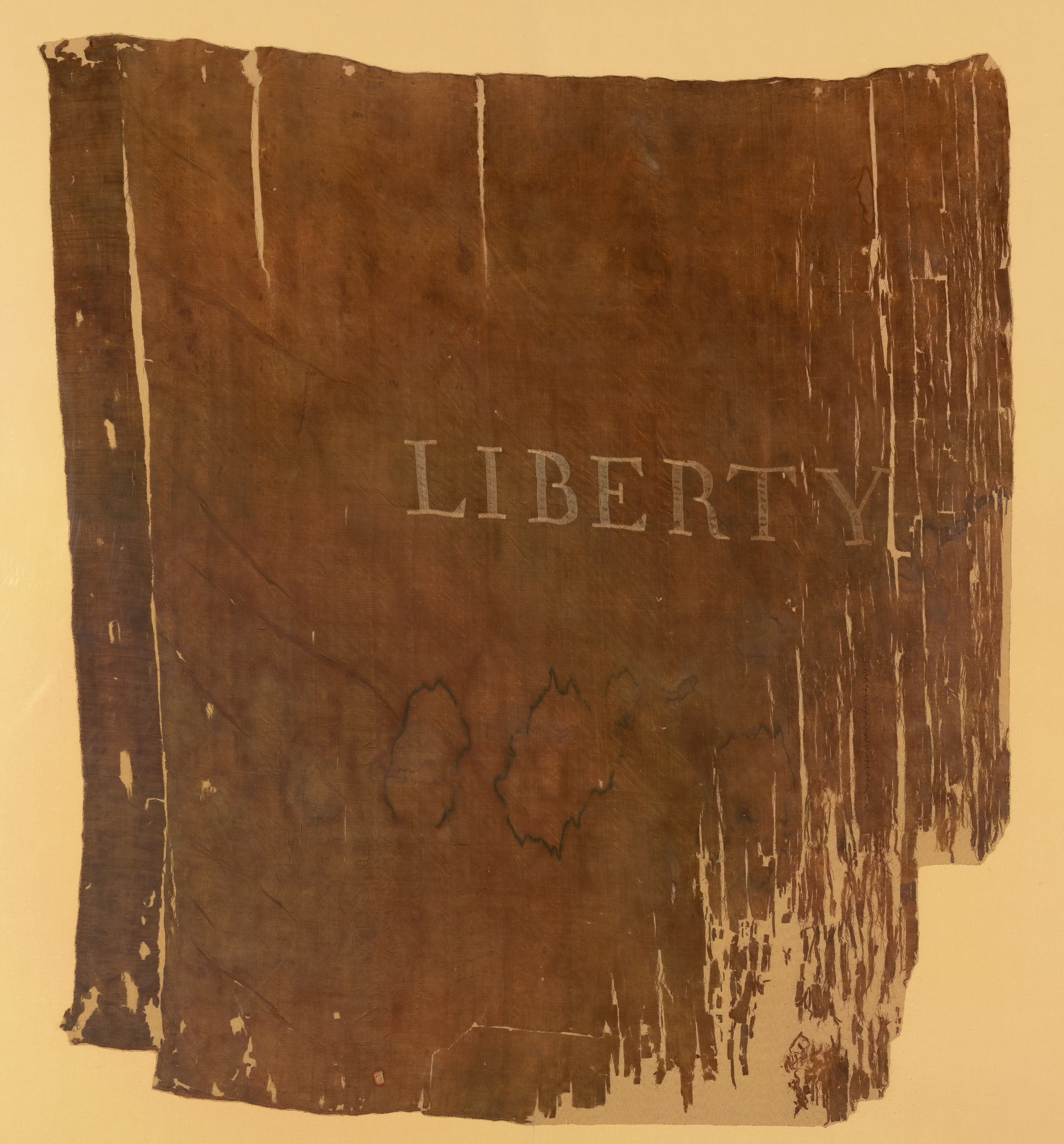
One of the most difficult things about writing about the Revolutionary War is trying to imagine what an American soldier would have seen and felt. Imagine yourself as an Albany County militia man at the Battle of Saratoga. You’ve just emerged from the woods and are forming up into lines for battle. Ahead of you…
-
Forced To Serve
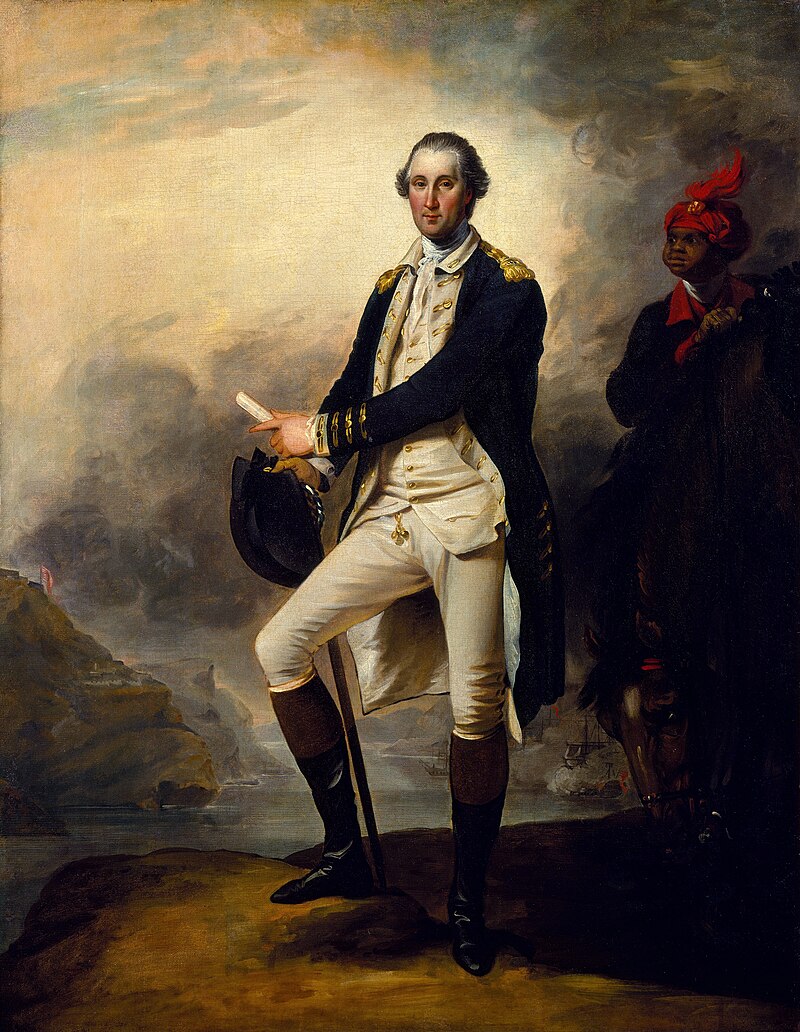
The system of slavery was so deeply ingrained in colonial American culture that when white officers joined the Continental Army they brought along a valet. This was a delicate way of saying that they were bringing an enslaved man to war, for no pay, to take care of them and sometimes even put them in…
-
John Lawrence Livingston and Saratoga: A Revolutionary War Mystery
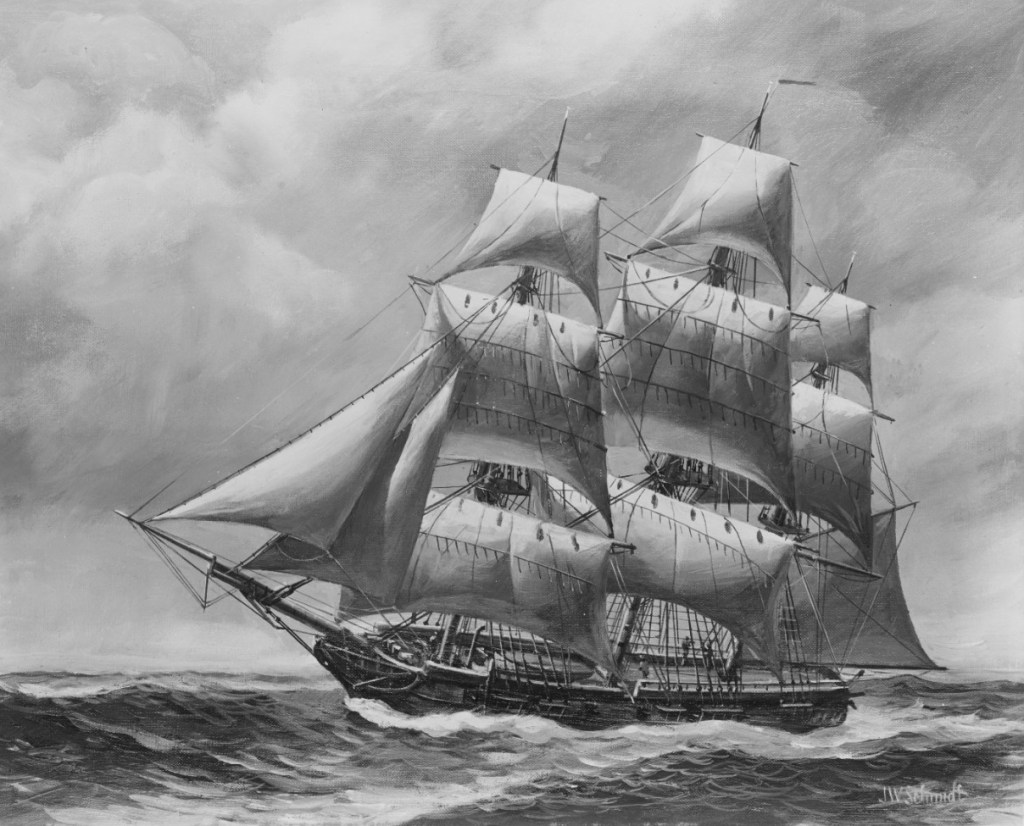
On August 13, 1780, the American Sloop Saratoga put to sea, the first ship named after the stunning American victory that helped to change the tide of the war. The ship was 68 feet long at the keel and 25 feet wide. She was rated at 150 tons. She carried 18 guns, 16 nine pounders…
-
A Livingston Spouse: William Alexander, Lord Stirling
William Alexander has to be one of the most fascinating Livingston relatives of the 18th century. His Livingston connection is through his wife Sarah, who was the daughter of Philip Livingston, the Second Lord of Livingston Manor. They married in 1747 and had three children. The marriage also made him the brother-in-law of William Livingston,…
-
Scots on Livingston Land
On April 16, 1746, an army of 5,400 Scottish Highlanders, who had rebelled against the British Hanoverian king to support Charles Stuart’s claim to the throne of England, stood across Culloden Moor from an army of 9,000 British regular soldiers commanded by the Duke of Cumberland. The two sides exchanged cannon fire. At 1:00…
-
The Chancellor’s War
Robert Livingston’s involvement in the building of the country started early and continued throughout the conflict with Great Britain. He concerned himself with military affairs, political affairs and diplomatic affairs, on a state, national and international level. Through it all he fought for Independence, but only on his terms. Livingston’s first recorded foray into the…
-
The Reconstruction of Clermont
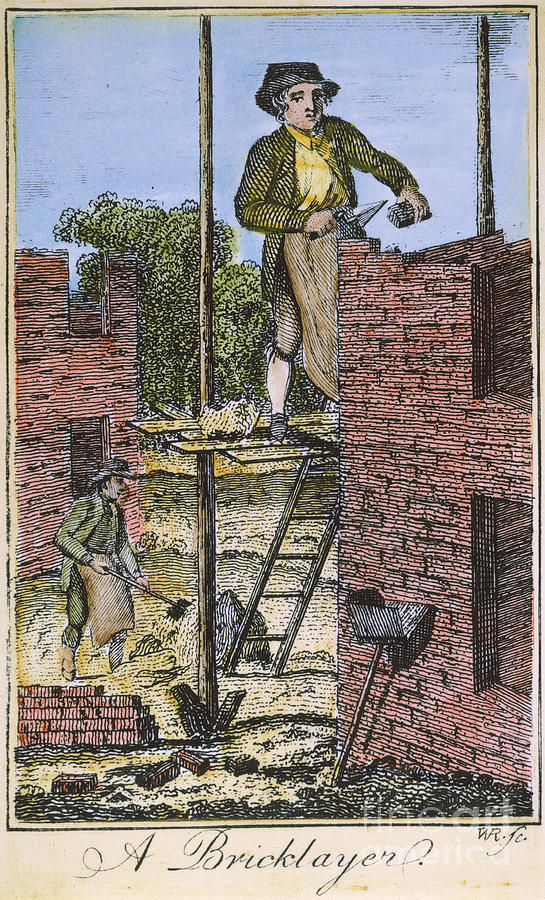
When Margaret Beekman Livingston and her young children returned to Clermont in the spring of 1778 they found that the British army had done a very thorough job in destroying the mansion. Only the north and south brick walls of the mansion were still standing. The rest of the home was gone, burned to ashes.…
 Clermont State Historic Site