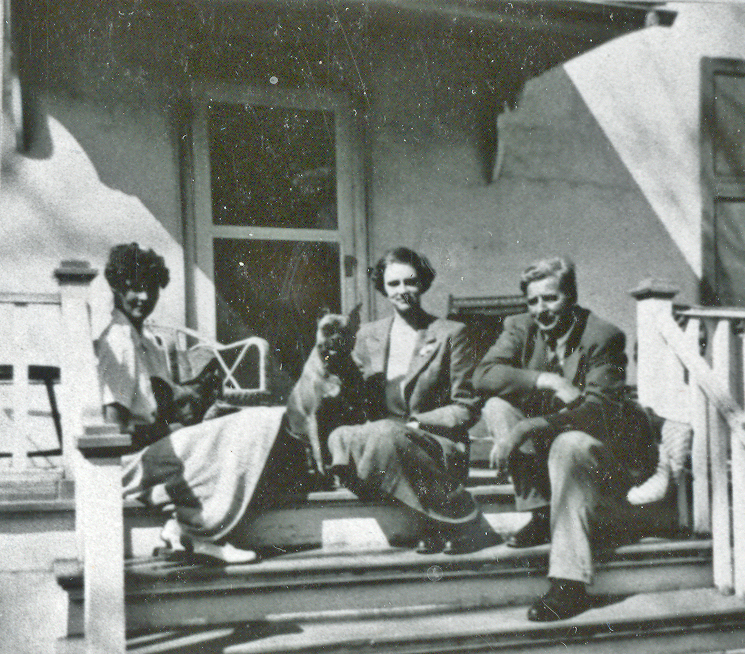
Its time again for another post from our friend from the past, Rex McVitty. This one comes from July 7, 1964. Please remember that this article was written more than 60 years ago and should be viewed in the context of the world it was written in.
The southern tier of states is very much in the news these days of racial turbulence so one might be interested in knowing that a former resident of Clermont, N.Y. Robert R. Livingston, the chancellor, was the man who negotiated the Louisiana Purchase back in the early 1800’s and secured for the United States almost a quarter of its present area. There was talk, however, of skinning him alive and tacking his hide to a barn door. At $15,000 the price wasn’t too high as it worked out about 2 1/2 cents an acre.
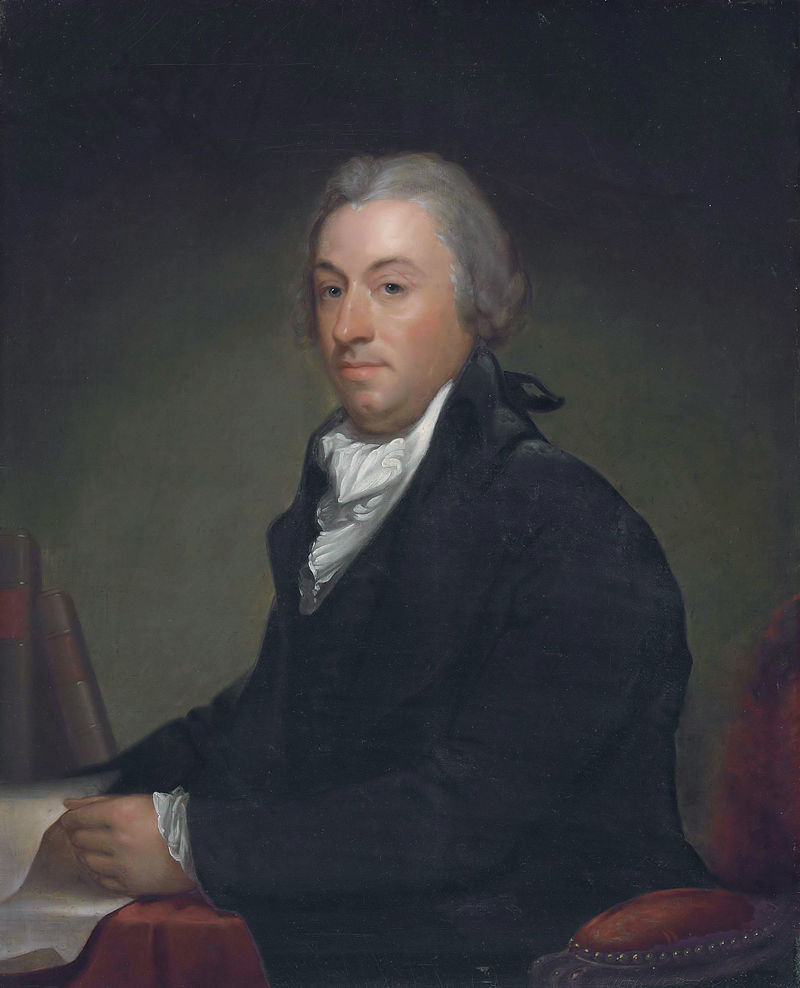
To his deep chagrin, Livingston never received full credit for his part in the transaction becasue when his efforts to convince Napoleon that the transfer would be to his advantage were succeding President Jefferson appointed James Monroe to confer with the French. His presence there for the final arrangements took a lot of the glory from Livingston.
As this vacation spot is the place where Livingston lived, there is a lot of information about his activities to be had. On Oct. 15, 1801, Livingston his wife, two daughters and their husbands, his secretary, one French woman and several French men, accompanied by there numerous personal servants, set sail from New York.
Traveling in those days was rather different from what it is today. For the long and rigorous voyage to France they had provided themselves with sufficent food: poultry, hogs, sheep, a cow and calf, all alive. And on the quarterdeck a carriage was lashed which oftern served as a parlour for the ladies. Added to this were tons of luggage which occupied so much space that there wasn’t a lot of space left for the passengers, let alone the officers and crew.
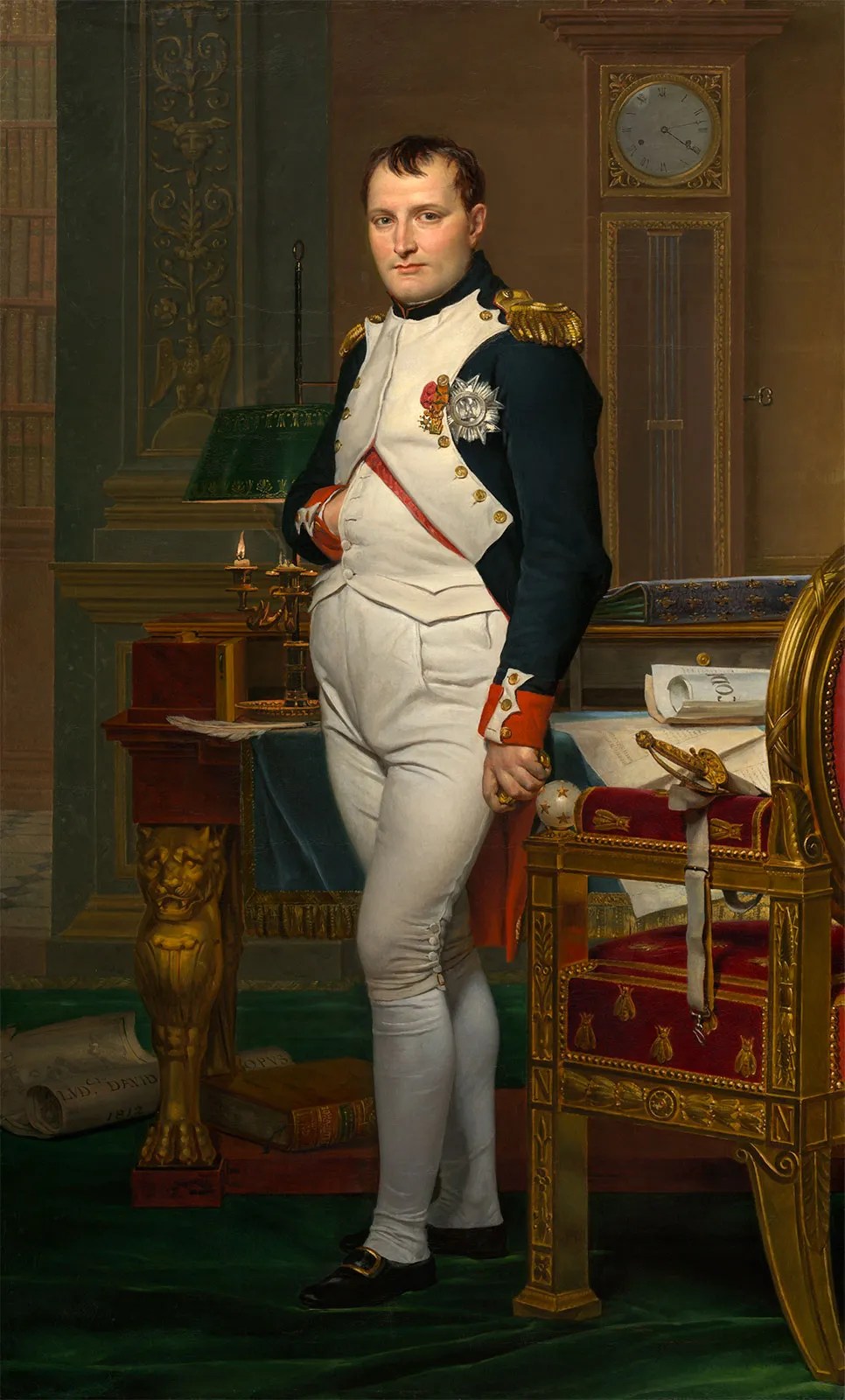
It took them the best part of two months before they reached Paris where they were met by an old family friend, Lafayette. As soon as possible Livingston held a conferance with Tallyrand, minister to first consul Napoleon Bonaparte. If Livingston were merely a Provincial he was in no way awed by the glittering French court.
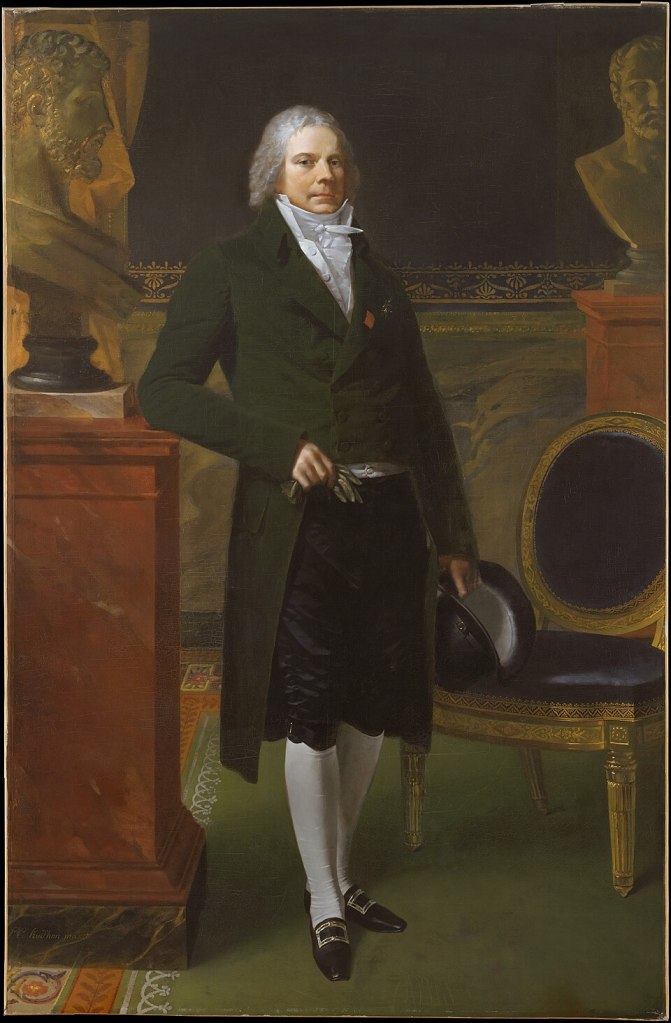
Himself a priviliged aristocrat and reared as a Hudson River squire, he considered himself the equal in and the better in some of his French associates.
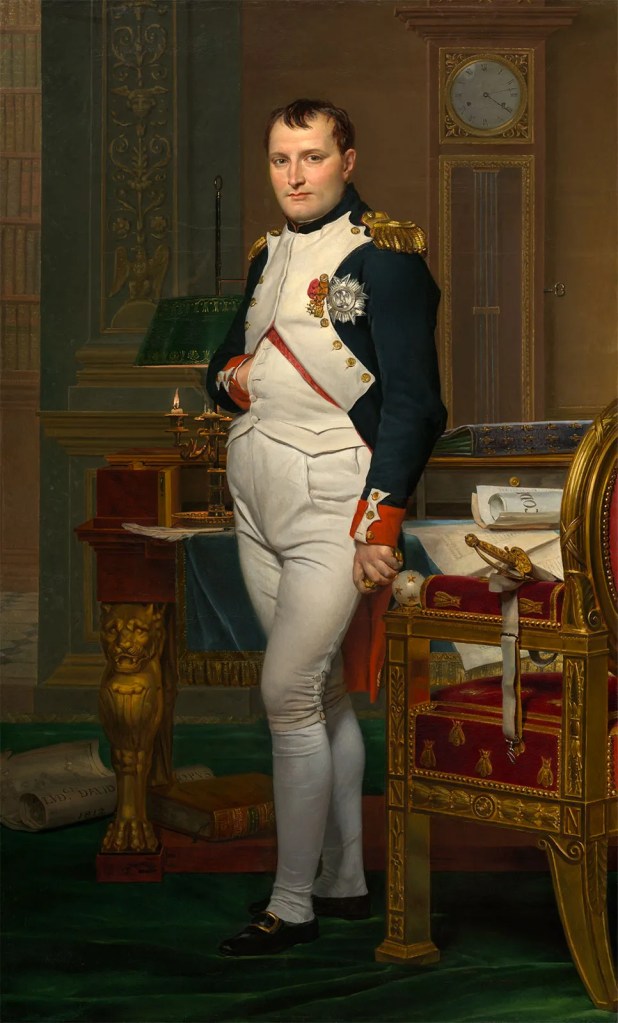
This attitude was advantagous with the French. Although he represented a country that had done what the French couldn’t do, lick the English, it still lacked a powerful army or navy and had still no developed wealth. This was no so good in dealing with Tallyrand who was an opportunist and favored those who could be of use to him.
When Livingston arrived in France, neither Napoleon not Tallyrand had any particular wish to part with Louisiana which had been secretly retroceded to France by Spain in 1800. The United States had a treaty with Spain that insured free use of the Mississippi River and use of New Orleans as a port of entry
This new state of affairs greatly disturbed western settlers since about three eights of all U.S. produce was shipped out of New Orleans and they were not very trustful of either Napoleon or his ambitions.
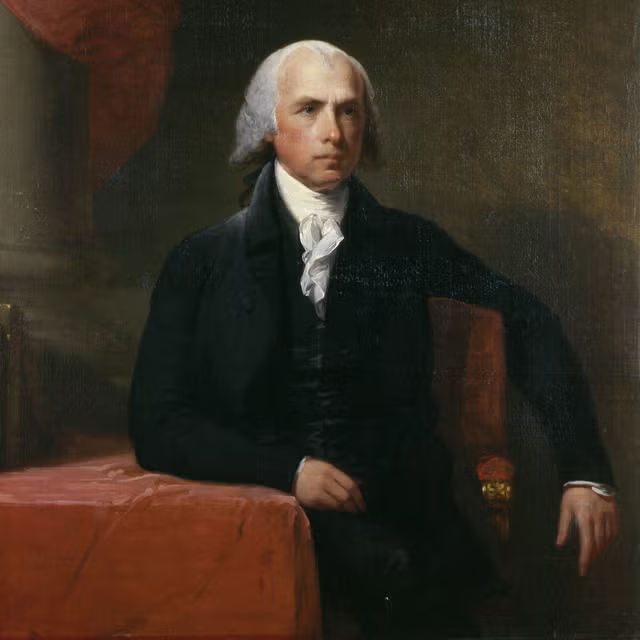
Livingston’s instructions were to try and get the area east of the river in forgiveness of French debts which roughly ampunted to $2,000 at that time. There was no interest in the great lands which lay west of the river for, as Secretary of State Madison explained to the French minister “In spite of the affinities, in manners and language, no colony beyond the river (Mississippi) could exist under the same government, but would infallibly give birth to seperate state, having in its bosom germs of collision with the east.”
Left with complicated amd meager instructions, Livingston worked patiently on his own. No autority was given him to offer anything but the forgiveness of debt whihc was less than nothing becasue Napoleon felt no compunction to pay it in any case.
However, other events were working in his favor. The defeat of the French plan to conquer Santa Domingo and the death of General Leclerc made Napoleon lose interest in New Orleans. He also knew that soon he would be up to his ears in war with England and with that later country’s superiority on the seas, it would be difficult to defend New Orleans and the French interests in North America.
He always hoped to establish French power in both America and India but, first of all he had to secure Europe,. So on april 10, 1803, the very day that Livingston received word that Monroe landed, Napoleon called to of his ministers and told them that since he did not wish Louisiana to fall into the hands of the English he would cede…not only the lands east of the Mississippi…but the lands to the west as well. It would be a vast acreage which later became 12 states. He said that the matter could be speedily and it was not necessary to await the arrival of Monroe.
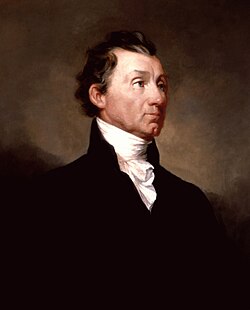
Monroe was a former minister to France where he wasvery popular and Jefferson appointed him at that late moment to appease the outraged western settlers who wanted quick action. It was too bad for Livingston’s prestige that a man as famous as Monroe should have been injected into the situation at that time because negotiations practically were concluded when Monroe arrived.
It was thought that Monroe would be better because he spoke French. But Livingston not only read but spoke French fluently. What people did not know was that Livingston had been quite deaf from an early age and this was a definite handicap not only in France but in the United States where a man of his brillian talents would have risen to the very top except for his shyness.
 Clermont State Historic Site
Leave a comment