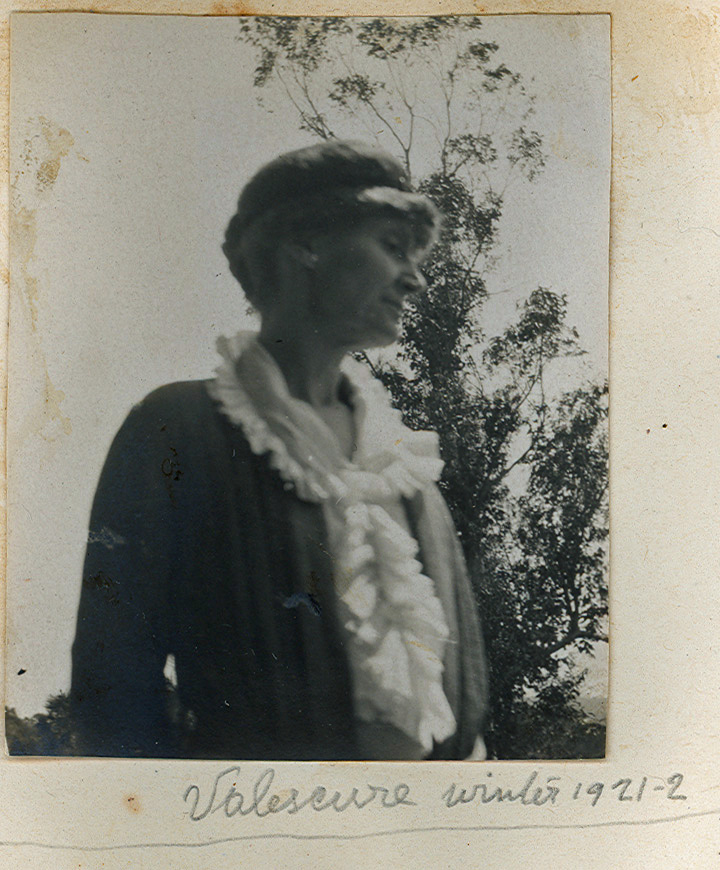
Alice D.C. Livingston, third wife of John Henry Livingston and mother to Honoria and Janet Livingston, features heavily in our current interpretation of Clermont and its landscape. As the last “lady” of Clermont, Alice’s personal style and aesthetic has persisted into the present, defining the furnishings and art which decorate the mansion and the careful layout of the four gardens on the grounds. Alongside her passion for gardening and landscape architecture, Alice was a prolific photographer and self-taught sculptor. Due to her consistent photographic practice and the photo albums she compiled, we have been able to gain valuable insight into her life at Clermont and abroad from her marriage in 1906 to the early 1960s. Her favorite subjects to photograph included her daughters, the animals kept by the family over the years, her gardens, and her sculptures.
Working often with modeling clay originally meant for children, Alice created figural statuettes and friezes depicting mostly women and children, beginning in 1925, at age 53, to her death in 1964. Despite being entirely self-taught and coming into her sculptural art practice later in life, Alice’s work was accepted and shown at several exhibitions including at the Pennsylvania Academy of Fine Arts in 1928, at several Paris salons in the early 1930s, and at the Argent Galleries in New York City in 1936. Even though Alice enjoyed some professional artistic success, very little is known about her personal opinions of her work or how her sculpture was received in the broader art world. This changed recently when I uncovered a review of the sculptures Alice submitted for exhibition at the Pennsylvania Academy of Fine Art in 1928. Although relatively short, this review, published in the periodical Revue du Vrai et du Beau, is the only published piece we have been able to find on Alice’s work and her exhibition history as an artist. https://clermontstatehistoricsite.wordpress.com/2025/01/26/alice-as-artist/
For this week’s post in a series featuring Livingston women in honor of women’s history month, please enjoy a rare excerpt from Alice’s personal recollections in which she details the origins of her love for art, beauty, and line:
…I was not a strong child, suffering much from nervous headache and a curious nervous sensation which would come on usually at night, making me feel as if I were at the wrong end of an opera glass…
This did not frighten me, but it puzzled me and made my mind think far too much for the good of my body – and I was sent as often as possible to my grandfather’s place at Darien where I revelled in the country life & the beautiful works of art which filled the house.
Not being able to use my eyes, I spent hours [looking] over pictures & photographs & from the time I can remember, was thrilled at the beauty of line – anywhere – in art, in flowers, in furniture – line, in any perfect silhouette, a cedar against the sky, thrilled my innermost being as it still does…
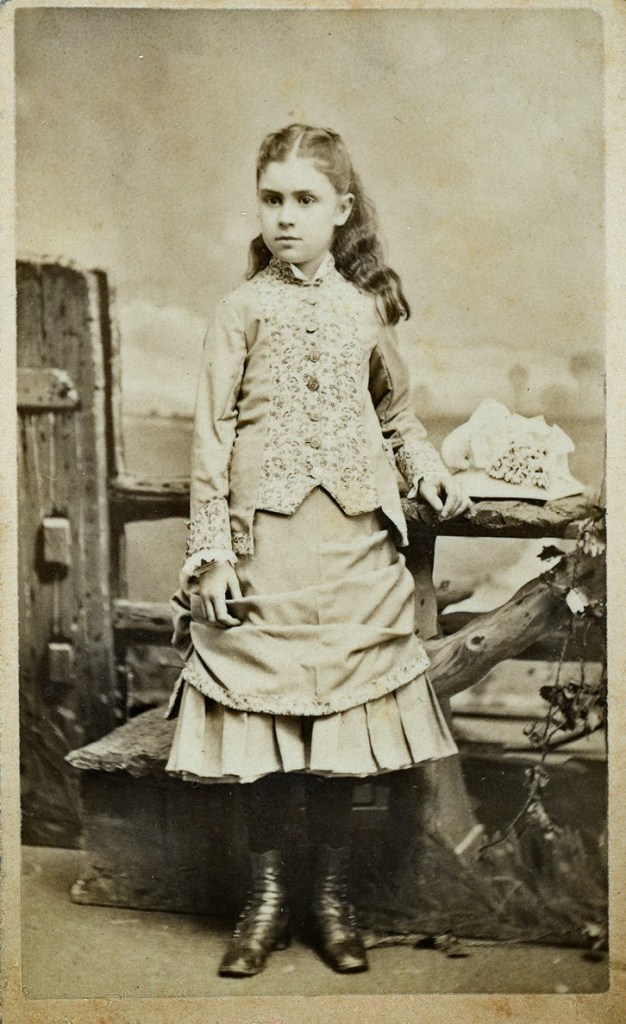
…I had a severe nervous breakdown from overwork… & I was sent abroad with a kindly old uncle & the great European world of art opened to me for the first time. After this I made trips to Europe with my sister, searching out every painting that had beauty of line, wherever they might be…
Landscape gardening fascinated me — & when my father purchased Holcroft I had a chance to lay out a garden there & move earth about to conform to my idea of line, for the first time in my life & I felt completely happy. But I have often completed schemes, just to have others take their place & to have to start creating [anew], for in [1906] I married & went abroad to live for two years.
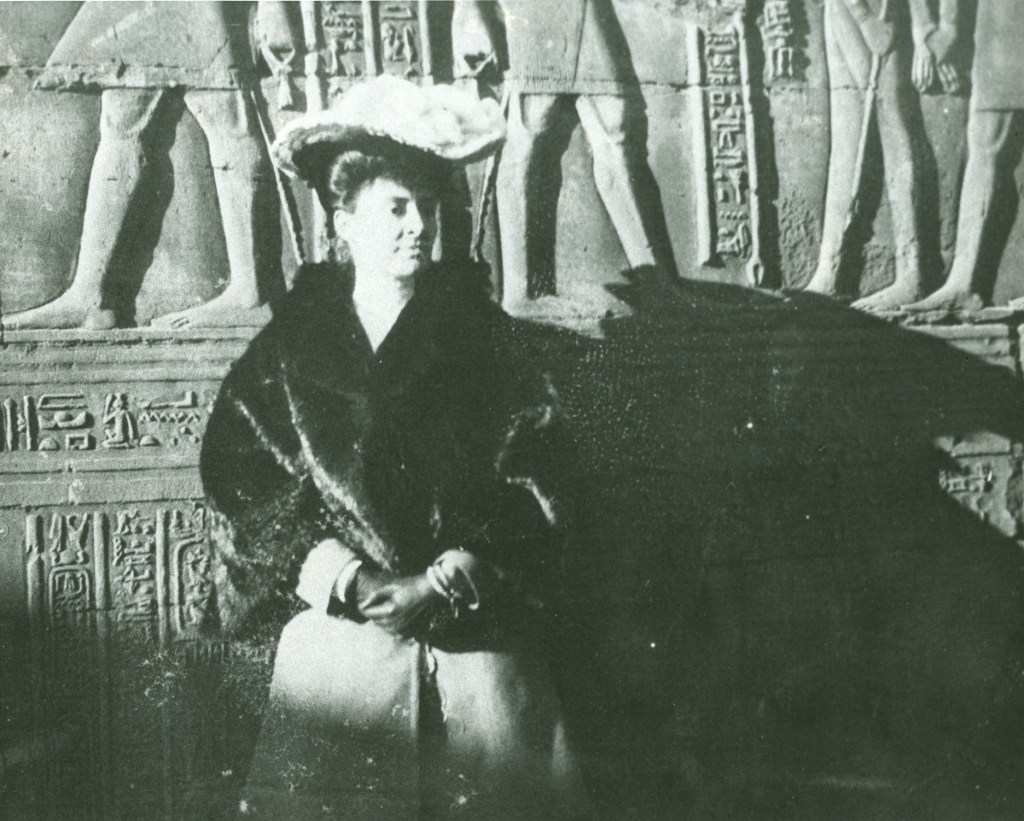
My honeymoon was spent in Egypt & here, for the first time, sculpture began to appeal to me more than any other form of art. It was the year Mr. Davis had discovered the tomb of Queen Tie [Tiyi] & we had letters to him & lunched with him… He was delighted because I saw beauty in the Egyptian peoples on the monuments & [he] told me to get “a Mr. Carter’s set of Colored Plates” which I at once sent for to Cairo – little thinking “Mr. Carter” would one day [be] famous for his work with Lord Carnarvon.
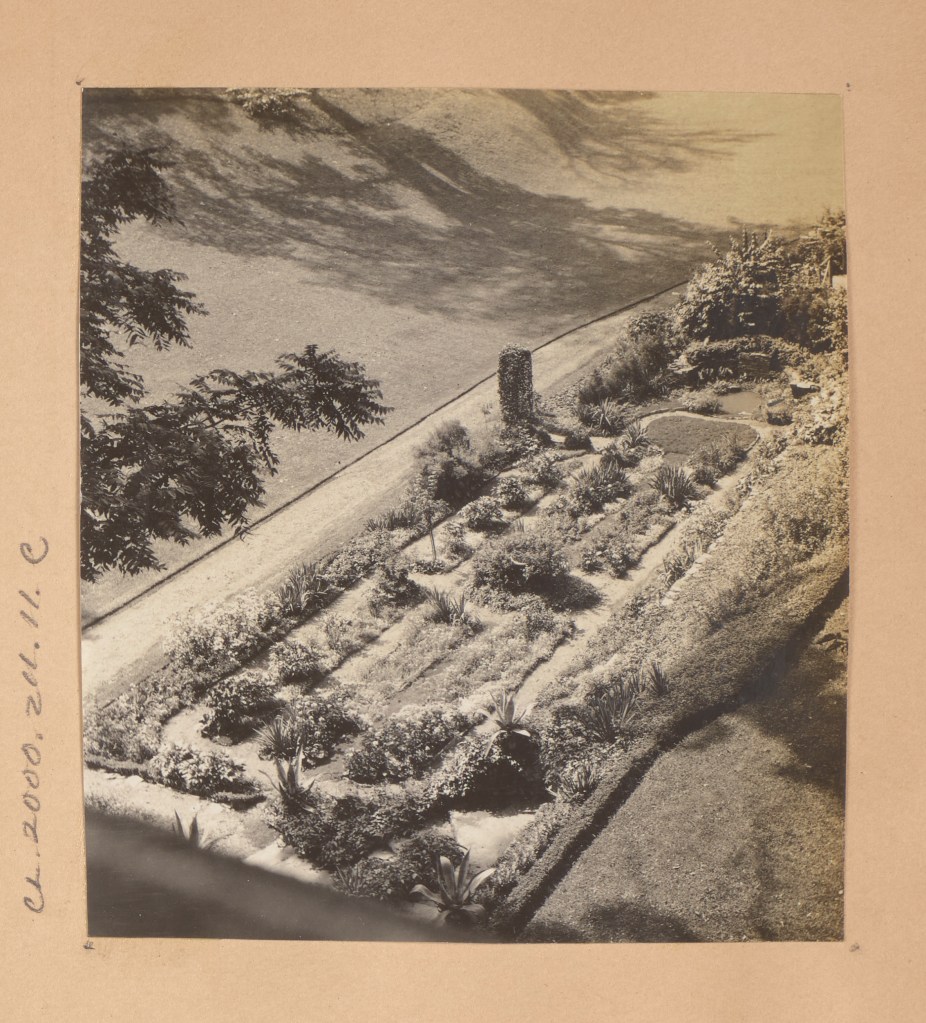
Egypt meant more to me than even Europe had. The clear light, the mystery of the desert, the beauty of the nights & sunsets & the solitary monuments silhouetted against the sky, affected me deeply & the line in Egyptian art satisfied my sense of beauty. At Abu Ismael I saw this with amazement & appreciation – I could not tear myself from the sculptured walls – marveling at the softness of the modeling & the grace & beauty of it all, yet never did I dream of copying, or of wanting to copy. It was enough to absorb it all. My thoughts in those days were all on gardens & out of door planning & as soon as we returned home & were settled at Clermont I began to plan the…garden to the south.
It took ten years to make it look as I wished it to & then people would say “I would like just the kind of simple garden you have!” Simple! When I had gazed out of my window planning its simplicity for ten mortal years, and until my husband used to say “I never come into the room that I don’t find you staring at that garden. What in the world is there to see that you don’t know by heart.”
But I was always trying for line. To get one plant to show effectively against another & this combined with necessity of having plants that would withstand the winter & be at bloom at the right times, was a problem which only other “‘ardy border gardeners” can appreciate.
About the time the garden was finished we bought the place in Aiken & small though it was I planned a tiny garden there, planting out a sandy back yard which I left to grow up when we went to Europe.
If you are interested in learning more about Alice and her work, we invite you to join us at Clermont State Historic Site on Sunday, March 23 for a presentation featuring the art Alice produced and exhibited as a self-taught sculptor in the late 1920s.
 Clermont State Historic Site
Leave a comment