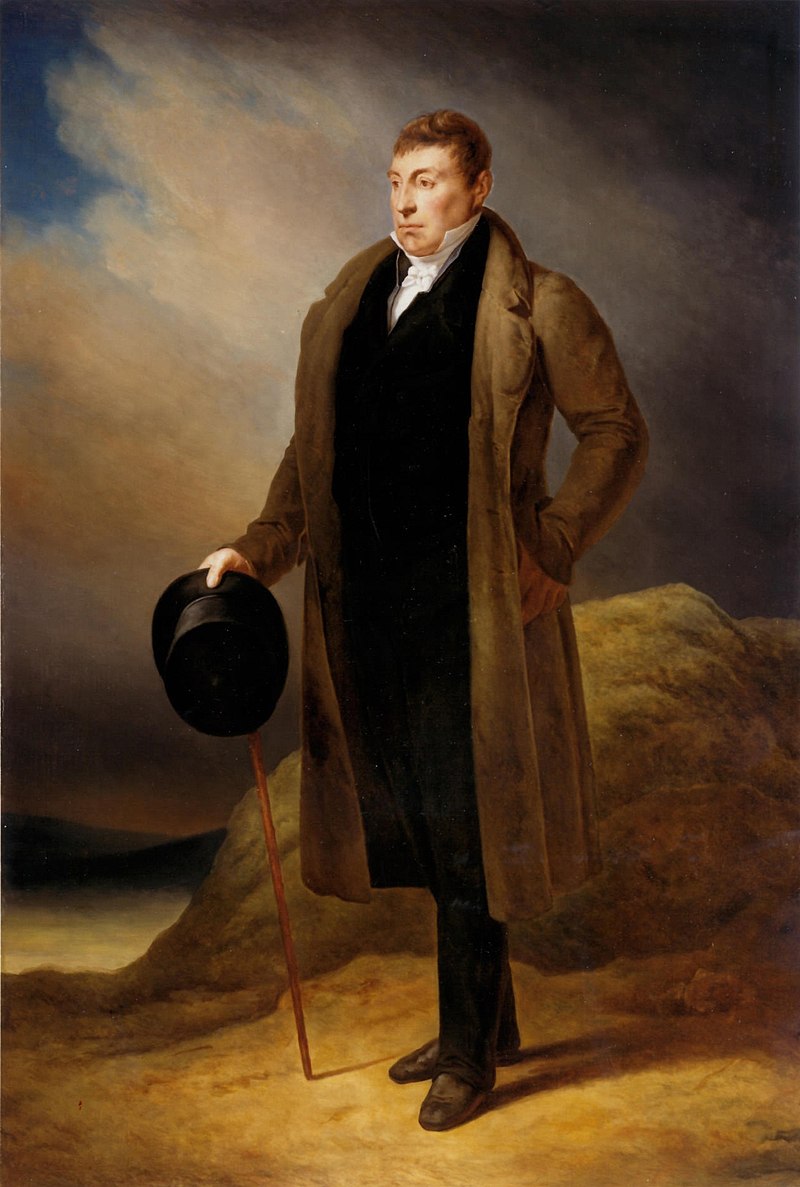
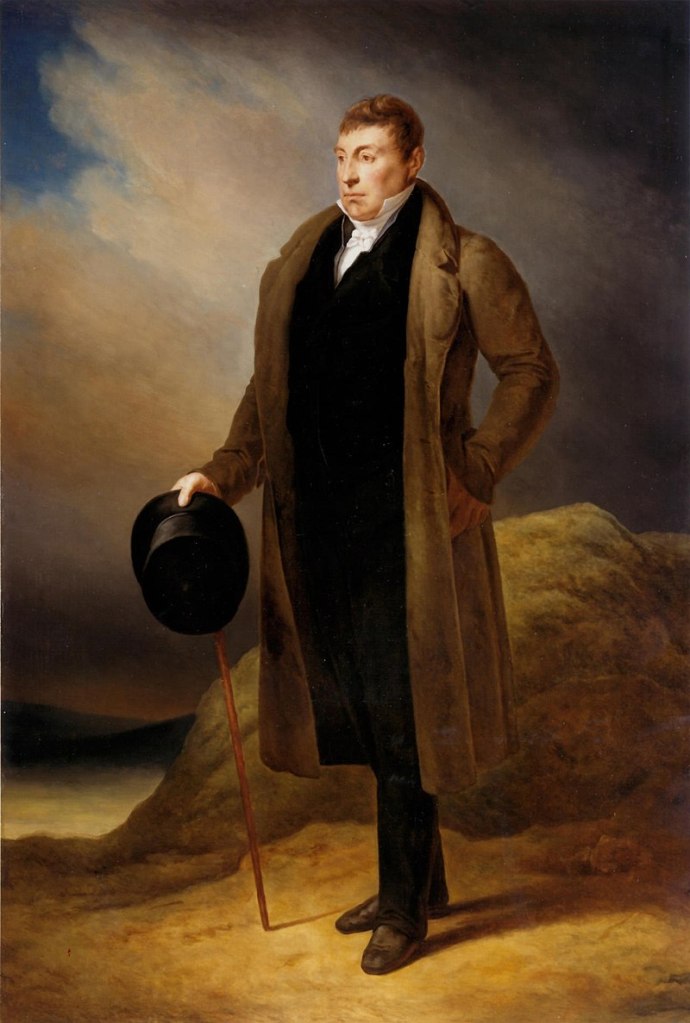
When President James Monroe invited the Marquis de Lafayette to visit America in 1824, he hoped a visit by the last major general of the American Revolution would spark patriotism in the American people. Lafayette saw it as a break from France, a break from the legislature, and a break from King Charles X, who was having Lafayette surveilled. The short trip that was planned turned into a stay of more than a year, during which Lafayette visited every state in the union at that point and travelled more than 6,000 miles.
In every city, town, and village he visited, Lafayette was met with parties, dinners, gifts, requests to lay cornerstones for important buildings, to listen as towns were named after him, and every other honor a man could conceive of.
Lafayette landed in New York City in August of 1824 and after taking some time to recover from his trip, and of course receive every honor the city could put upon him. He began his trip by cruising up the Hudson River in a steamboat. After several stops along the river, he was scheduled to stop at Clermont.
Robert L. Livingston who resided in Arryl House at the time was his host. For several weeks he corresponded with officials in New York City to determine the exact day that Lafayette would arrive at Clermont.[i] Everything had to be perfect for the visit. Livingston still enslaved two men on the 1820 census.[ii] If they were still being kept at Clermont, they were certainly put to work along with an army of paid servants. The house was decorated, food was prepared, and surprises were planned.
On September 16, 1824, Lafayette left Poughkeepsie on his steamboat, headed for Clermont. As they neared Kingston a small boat put off from the shore. The captain stopped the steamboat, and the occupant of the rowboat was allowed to board. Lafayette embraced him as soon as his feet hit the deck. It was Colonel Henry Beekman Livingston, who had served under Lafayette at Valley Forge and The Battle of Rhode Island. Lafayette had been pondering what had happened to his old friend just before he came aboard.[iii]
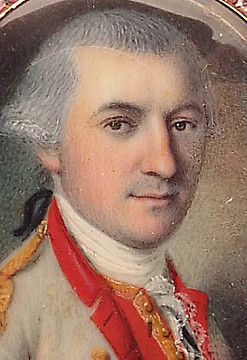
At 3:00 pm those on the boat sat down for dinner. Commadore Samuel Wiswall sat at the head of the table, he was one of the original steamboat captains that Chancellor Robert R. Livingston and Robert Fulton had employed to run their steamboats up and down the river. To his right sat Lafayette and to his left sat Henry Livingston. “The table was loaded with every luxury the land and the sea, the larder and the vintage could furnish. The cabin and table were tastefully decorated with colors and evergreens. It was the most rich and ample feast ever prepared on board any steamboat.”[iv]
At 4:00 pm[v] Lafayette’s ship docked at Clermont where Robert L. Livingston stood to greet them. As Lafayette disembarked and his party disembarked, they greeted Livingston. They were then escorted up the hill to Clermont (Arryl House) by a troop of riflemen. At the top of the hill, they were met by a regiment of “well disciplined troops in uniform drawn up to receive them”[vi] Meanwhile the grounds and trees were alive with members of the public hoping to get a glimpse of the general. A sloop on the river fired a cannon salute which was quickly answered by a shot from a canon set amongst a stand of trees near the river, much to the surprise of those assembled. Lafayette reviewed the troops who had a feu de joie in his honor. He was then addressed by the local Masons.[vii]
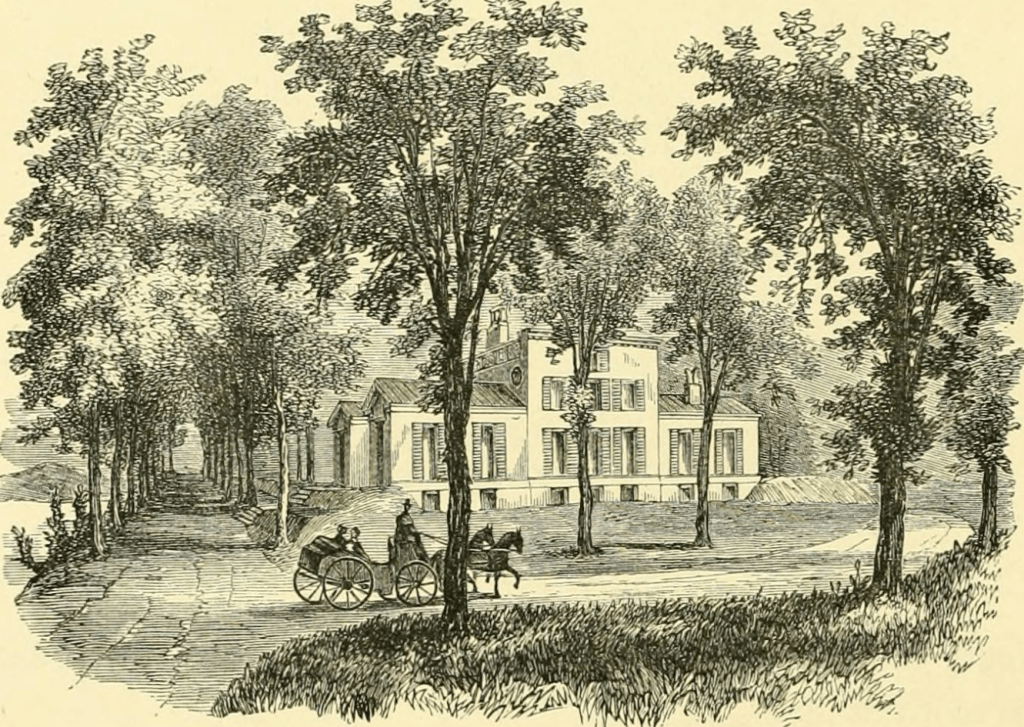
By some accounts Lafayette was then whisked away for a whirlwind tour of Clermont (the original Clermont, the current historic home.)It was then the home of Edward Philip Livingston, then a member of the New York State Senate.[viii]
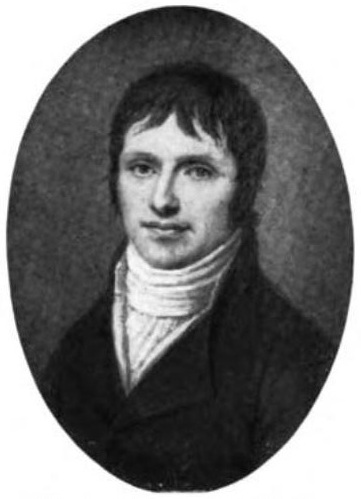
A ball in Lafayette’s honor began at 8:30 pm in Arryl House. In addition to the General, guests included “Gov Lewis,[ix] Col. Fish,[x] Col Henry Livingston,[xi] the Hon. Edward Livingston of New Orleans,[xii] Col. Francis K. Huger of South Carolina,[xiii] Capt Ridgley of the U.S. Navy,[xiv] Gen. J.R. Van Rensselaer,[xv] Gen. Haight,[xvi]Surveyor general DeWitt,[xvii] The widow Mrs. Montgomery,[xviii] Mrs, Dale, formerly Mrs. Fulton.[xix]
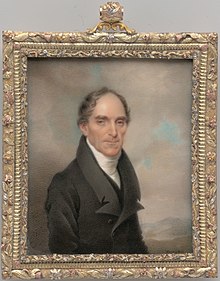
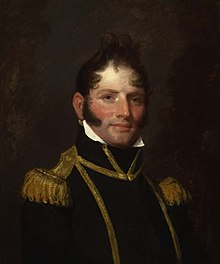
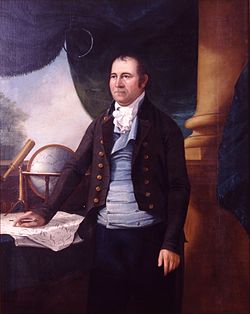
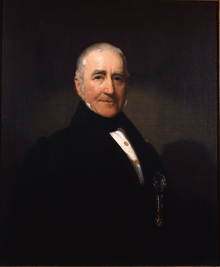
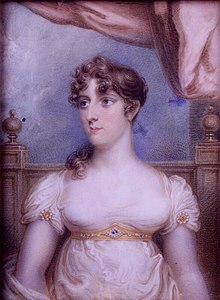
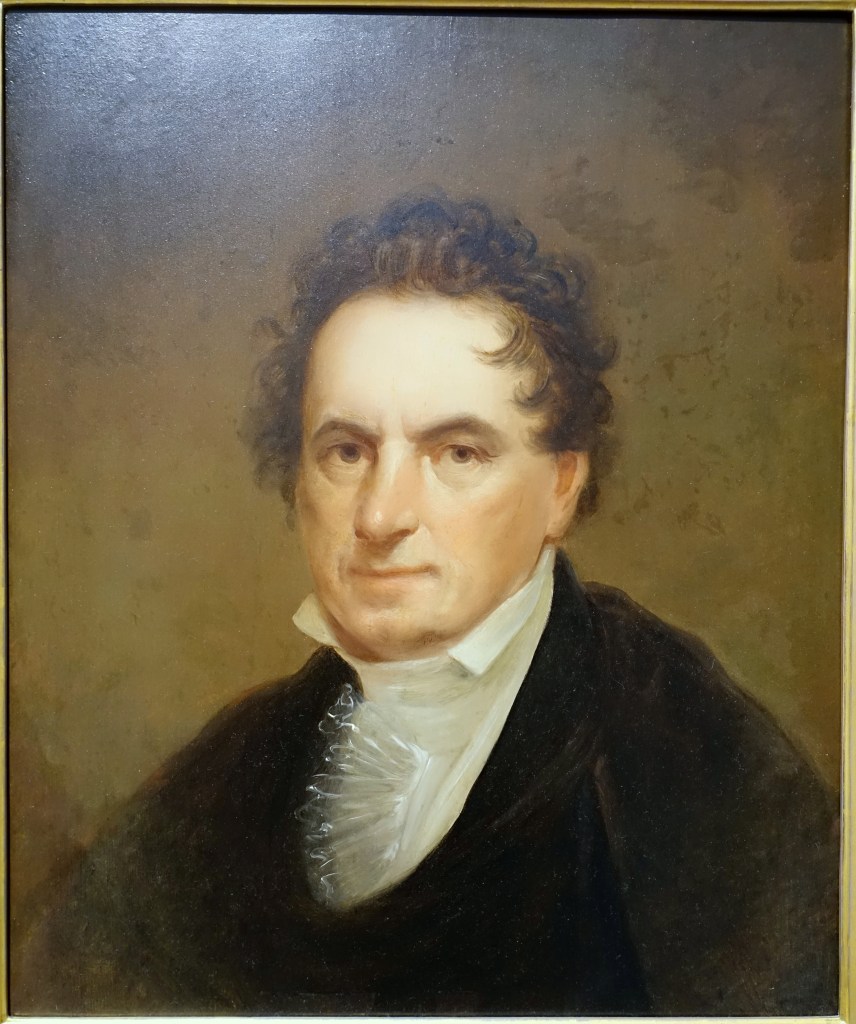
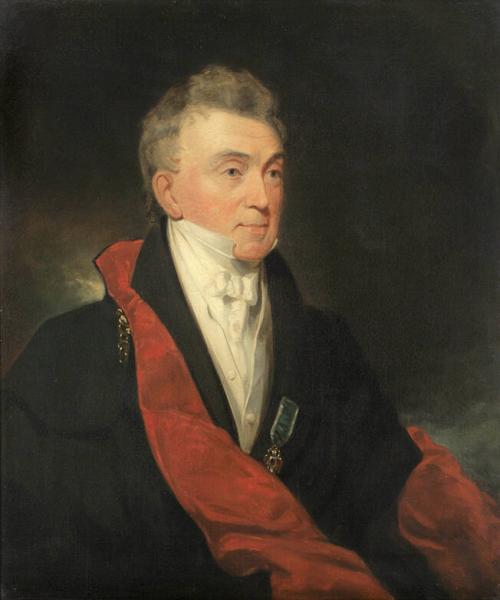
As the band struck up Lafayette crossed the room and offered his arm to Janet Montgomery. They circled the floor twice before the ball began in earnest.[xx] The ball continued until 10:00 pm when the doors to the Orangery were opened and more than 200 people made their way to dinner at tables built to fit around the orange and lemon trees. A complete menu of the dinner has not been found but it did feature “Fruit and pastries of every description. The dinner continued to 2:00 am.[xxi]
Lafayette was given rooms in Arryl House by Livingston, where he spent the night. Lafayette was up early the next morning, and after saying farewell to his hosts, stepped aboard his steamboat around 7:00 am. His next stop was Catskill.
[i] Robert R. Livingston Papers
[ii] Kelly, Arthur C.M. Settlers & Residents. Vol. 2. Part 2, Clermont, Kinship Press, New York, 1975 p.17
[iii] Delafield, Julia Biographies of Francis Lewis and Morgan Lewis, Volume II Anson, D.F. Randolph and Company, New York, 1877, p148, Rochester Telegraph 5 October 1824
[iv] Rochester Telegram 5 October 1824
[v] Levasseur, A. Lafayette in America in 1824 and 1825 Carey and Lea, Philadelphia, 1829 p 111
[vi] New York Evening Post 21 September 1824
[vii] New York Evening Post 21 September 1824, Rochester Telegraph 5 October 1824
[viii] New York Evening Post 21 September 1824
[ix] Morgan Lewis, former governor of New York, married to Gertrude Livingston, the Chancellor’s sister.
[x] Nicholas Fish, a revolutionary war soldier who had served on Lafayette’s staff.
[xi] Henry Beekman Livingston, the Chancellor’s brother. He had served under Lafayette during the Revolution.
[xii] Edward Livingston, the Chancellor’s younger brother. He was then a congressman from Louisiana.
[xiii] Francis K Huger. In 1794 Huger was living in Europe. He tried to rescue Lafayette from an Austrian prison. He got him out briefly but soon both men were captured and thrown back into the cells.
[xiv] Charles Godwin Ridgley was an early American naval history who fought in the First Barbary War. Read more about him here.
[xv] Jacob Rutsen Van Rensselaer, a war of 1812 soldier and politician.
[xvi] Samuel S. Haight, a lawyer and commander of militia troops during the War of 1812.
[xvii] Simeon DeWitt, surveyor general of New York, early member of the Erie Canal Commission and surveyed for streets in New York City, Albany and Ithaca.
[xviii] Janet Livingston Montgomery, Chancellor Robert R. Livingston’s older sister and the widow of General Richard Montgomery who died in the attack on Quebec in 1775.
[xix] Harriet Livingston had married Charles Augustus Dale in 1816, about a year and a half after Robert Fulton died.
[xx] [xx] Delafield, Julia Biographies of Francis Lewis and Morgan Lewis, Volume II Anson, D.F. Randolph and Company, New York, 1877 p.149
[xxi] Rochester Telegraph 5 October 1824, Delafield, Julia Biographies of Francis Lewis and Morgan Lewis, Volume II Anson, D.F. Randolph and Company, New York, 1877 p.149, New York Evening Post 21 September 1824
 Clermont State Historic Site
Leave a comment