The institution of slavery was dehumanizing for the enslaved. It had to be. In order to keep the belief that the people held in bondage were less than, their enslavers had to treat them as subhuman. One of the ways that they did this was to name the enslaved. It was an attempt to strip the enslaved of any identity other than what their enslavers gave them. To put a cruel twist on it many of the names chosen for the enslaved were the names of great historic figures of classic history or figures from the bible. The Livingstons were no exception to this. Many of the enslaved at Clermont and Arryl House that have been identified by name bear names from history.
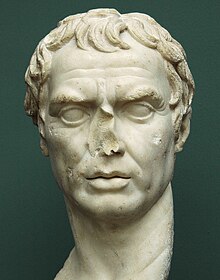
At Clermont one of the enslaved men was name Scipio after Scipio Africanus. Scipio was a Roman general who lived from 235 B.C.E. to 183 B.C.E. He is most remembered for defeating Hannibal at The Battle of Zama in 202 B.C.E., thus spreading the Roman Empire into Northern Africa in what is modern day Tunisia.
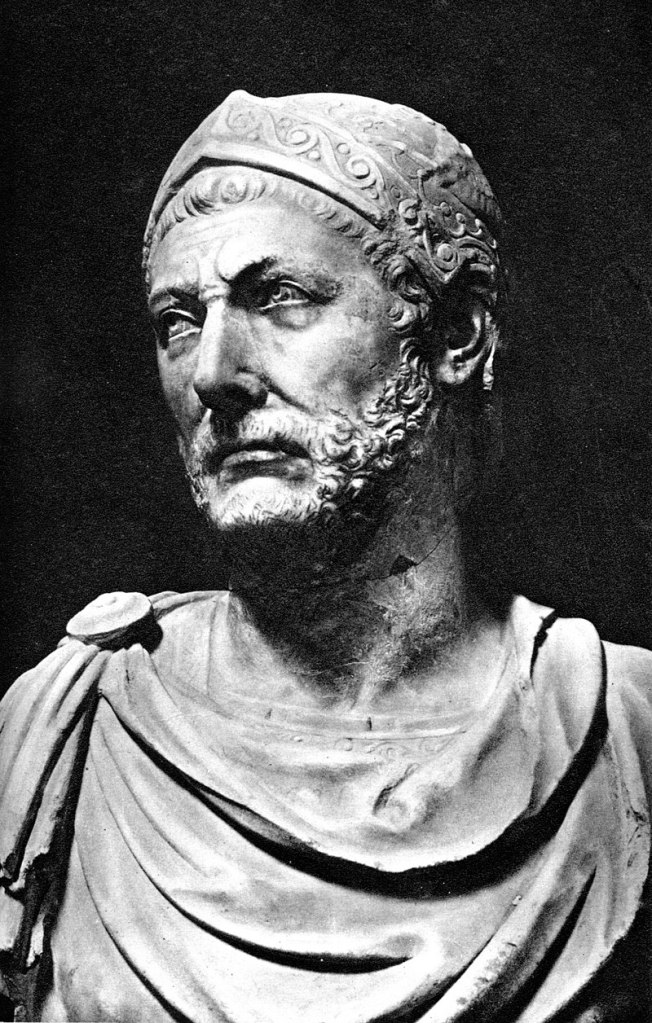
Margaret Beekman Livingston also enslaved a man named Hannibal, named after the Carthaginian general who lost the Battle of Zama. Before that though he was most known for invading Spain and then marching an army of 40,000 men and several elephants through Gaul and over the Alps to attack the Romans in Italy.
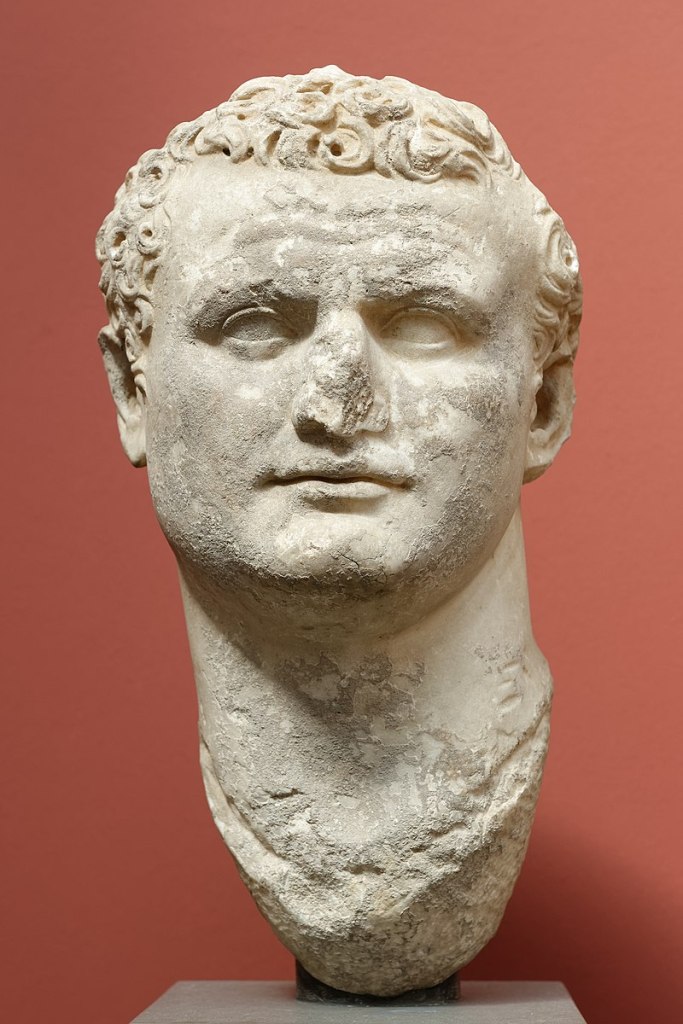
Another man was named Abraham, who is considered the father of the Abrahamic religions; Christianity, Judaism, and Islam. Margaret also enslaved a man she called Titus, after Titus Caesar Vespasianus, an emperor of Rome who is most remembered for having the Coliseum finished during his short reign.
Margaret also extended this naming tradition to her female enslaved people. Among them were Dian, most likely named after the Roman goddess Diana who was the goddess of wild animals and the hunt. Another woman was named Flora. Her name was the name of a deity of flowers and the springtime. Margaret also named a woman Mary, which is, of course, the name of Jesus’ mother in the bible but also her daughter-in-law’s name.
Chancellor Robert R. Livingston, at Arryl House also used this naming tradition. Among his enslaved people were Jupiter, named after the Roman king of the gods and Malachi, named after a man who was believed, at the time, to have written the Book of Malachi in the bible. He also enslaved Narciss whose name may be a corruption or an abbreviation of the ancient Greek character Narcissus, who was renowned for his beauty and who fell in love with his own reflection. The modern mental state of narcissism is named after him.
This practice of naming enslaved people after famous figures of antiquity was common at the time. Just as an example Philip Schuler of Albany also enslaved a man name Scipio. This practice seems like an unnecessary cruelty on the part of the enslavers of enslaved people. The people who were given these names most likely had little knowledge of what they meant but for the enslavers it may have been amusing to name their enslaved people after lofty figures while the people could expect little more than to live and die in forced servitude with little control over their own lives.
 Clermont State Historic Site
Leave a comment