On July 5, 1813, the Virginia Argus of Richmond, Virginia published a list of those killed and wounded in the battle between USS Chesapeake and HMS Shannon. Among those killed was Midshipman Courtlandt Livingston.
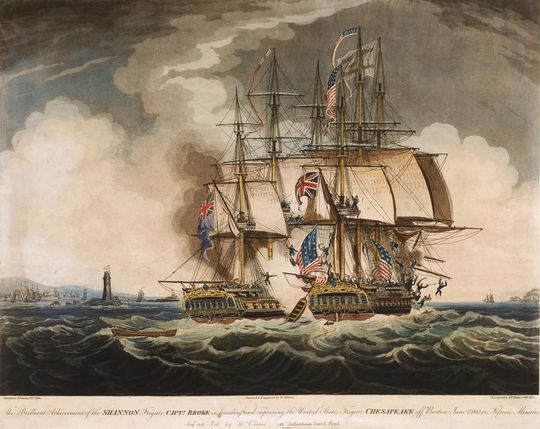
Many believed that the Chesapeake was an unlucky ship or event cursed. The Naval Act of 1794 authorized the construction of the first American Navy under the Constitution. The six frigates would be named: United States, Constellation, Constitution, Congress, President and Chesapeake. You may be familiar with the Constitution as it is still afloat in Boston, the oldest commissioned warship still afloat in the world.
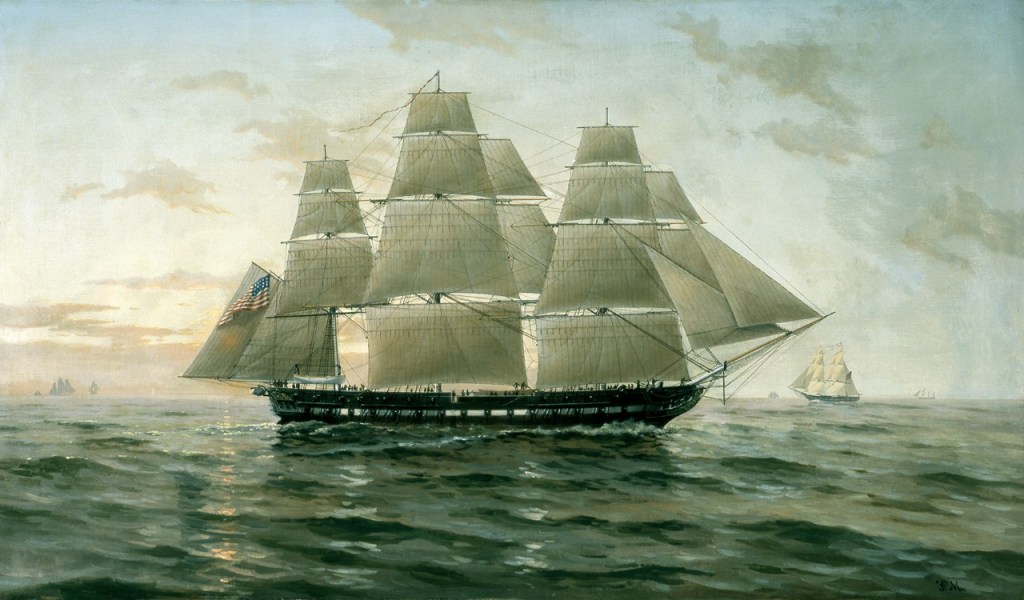
The keel for the Chesapeake was laid in 1795 but construction would not begin for another two years. When she launched in 1799, she was the smallest of the six frigates at only 36-guns. She was launched during the Quasi-War with France and did successfully capture one French privateer in 1801. During the First Barbary War, Chesapeake was in the Mediterranean Sea, but her captain Valentine Morris did his best to keep her out of action through negligence to the repair of the ship and inaction. The fact that his wife and two sons were on board with him may have had something to do with his unwillingness to fight. He was dismissed from the navy in 1804.
In 1807, now under the command of Charles Gordon and part of a squadron under the command of Commodore James Barron, Chesapeake was engaged by the HMS Leopard. Leopard fired several broadsides at Chesapeake, while the Americans were too disorganized to put up any kind of resistance. They fired a single shot from a single cannon in retaliation before being forced to strike their colors. The British boarded the ship and took off several sailors whom they claimed were deserters from the British navy, but they declined to take the Chesapeake as a prize.
When the Chesapeake limped back into an American harbor both Gordon and Barron were court martialed. Barron was suspended for five years. Gordon was privately disciplined and the ship’s gunner, who was completely unprepared to fight, was kicked out of the navy.
Early in the War of 1812, the Chesapeake saw some success, capturing a total of six British ships before putting into Boston for refitting. Captain James Lawrence was put in command of the ship and found a mess. The ships sailors had not been paid for the previous cruise and many were refusing to reenlist or simply deserting. Sailors from other ships had to be brought aboard to keep the Chesapeake ready to sail and fight.
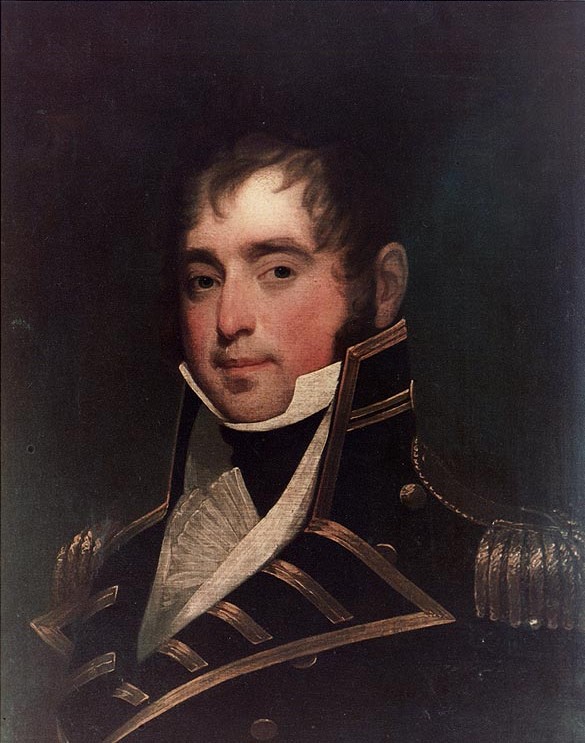
It’s unclear when Midshipman Courtlandt Livingston joined the crew of Chesapeake. He may have been aboard for a time by the time Lawrence took command or he could have been a follower of Lawrence’s who joined at the same time he did. Livingston was the great-great-grandson of Robert Livingston, the First Lord of Livingston Manor. Being a midshipman meant that Livingston was an officer in training. He was being taught the skills of navigating and commanding a ship. If he was unfamiliar with ships prior to joining the service he would have had to learn the ropes, literally. He needed to know what every rope and line on the ship did, where it came from and where it went. He needed to know how to fire the ship’s cannons and how to handle the ship in a fight.
On June 1, 1813, the Chesapeake sailed out of Boston Harbor to face off against HMS Shannon a larger ship, which had been blockading the port. They met that afternoon at sea and each ship fired two broadsides. Chesapeake’s first broadside hit mostly water while her second caused some damage to the Shannon. The Shannon’s broadsides mangled several of Chesapeake’s gun crews and swept the quarter deck, killing and wounding most of the ship’s officers. Livingston was most likely killed by one of these broadsides as a midshipman would have either been posted to command a gun crew or to the quarter deck.
After six minutes of exchanging cannon fire, the crew of the Shannon boarded the Chesapeake. Within ten minutes the ships colors came down and she was a prize of war.
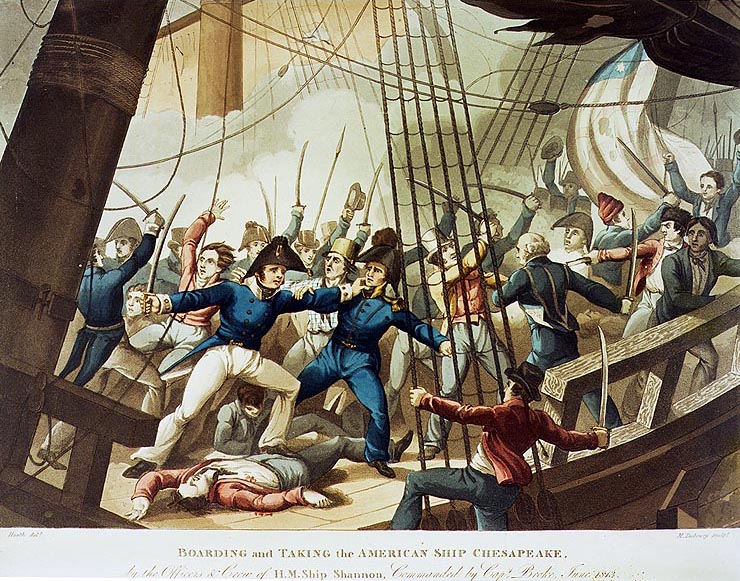
Those killed during the battle, like Livingston, were most likely buried at sea where the battle took place. The Shannon took the Chesapeake to Halifax. Sailors that died during the trip were buried on Dead Man’s Island.
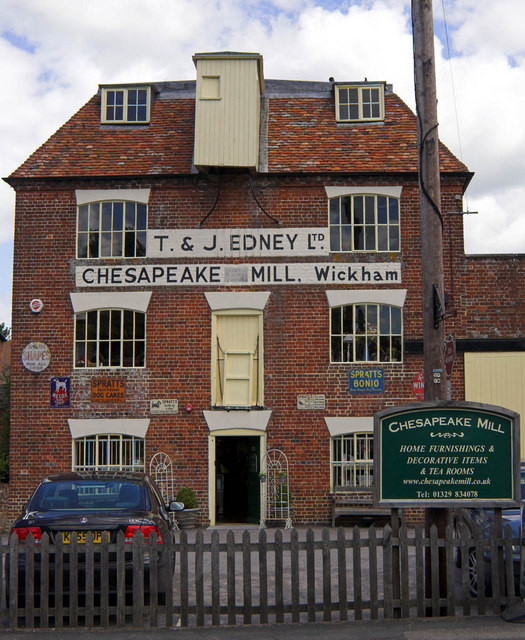
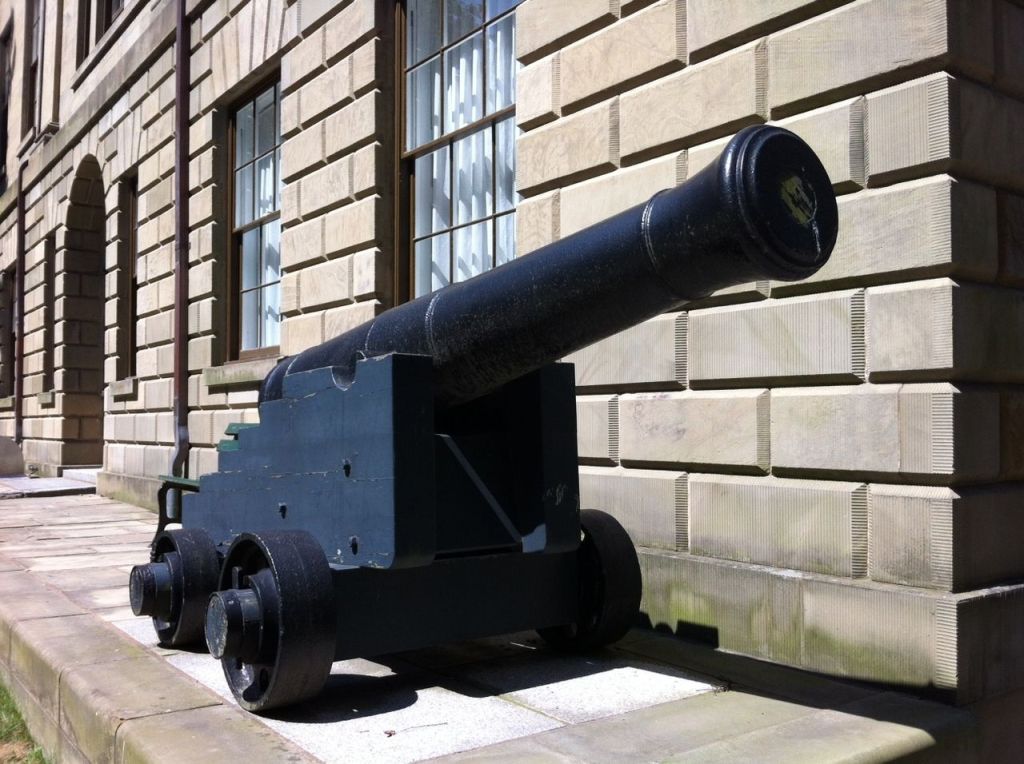
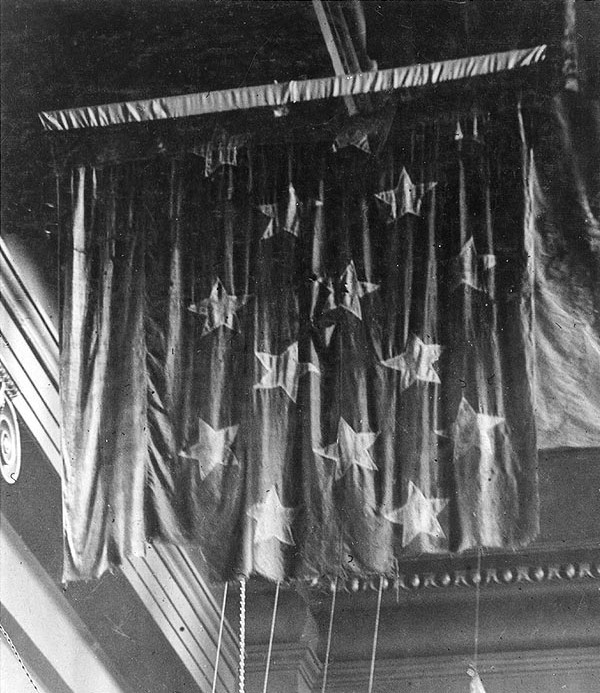
After being repaired Chesapeake was taken into British service as HMS Chesapeake. She continued in service until 1819 when she was sold as scrap. Much of her timber was bought and used to construct the Chesapeake Mill in Wickham, Hampshire England. Other remnants of the ship remain. Her flag is at the National Maritime Museum in Greenwich, England. One of her cannons is in Halifax as are several smaller personal items at The Maritime Museum of the Atlantic.
It was reported that after being mortally wounded by a musket ball, Captain Lawrence shouted, “Don’t give up the ship!” Oliver Hazard Perry, in command of a squadron of ships on Lake Erie, used this as a rallying cry and it can still be heard in today’s modern navy.
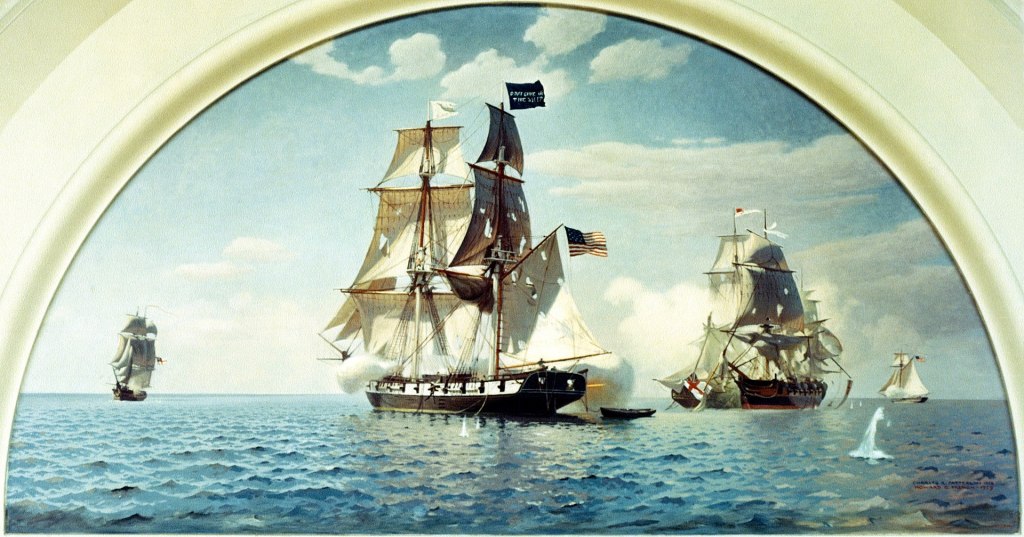
USS Chesapeake was certainly an unlucky ship. She was cursed with inept commanders and had the bad luck to face off against superior numbers several times, which finally got the better of her. It would seem that Midshipman Courtlandt Livingston got the worst of this bad luck along with 69 of his shipmates on June 1, 1813.
 Clermont State Historic Site
Leave a comment