On April 16, 1746, an army of 5,400 Scottish Highlanders, who had rebelled against the British Hanoverian king to support Charles Stuart’s claim to the throne of England, stood across Culloden Moor from an army of 9,000 British regular soldiers commanded by the Duke of Cumberland. The two sides exchanged cannon fire.
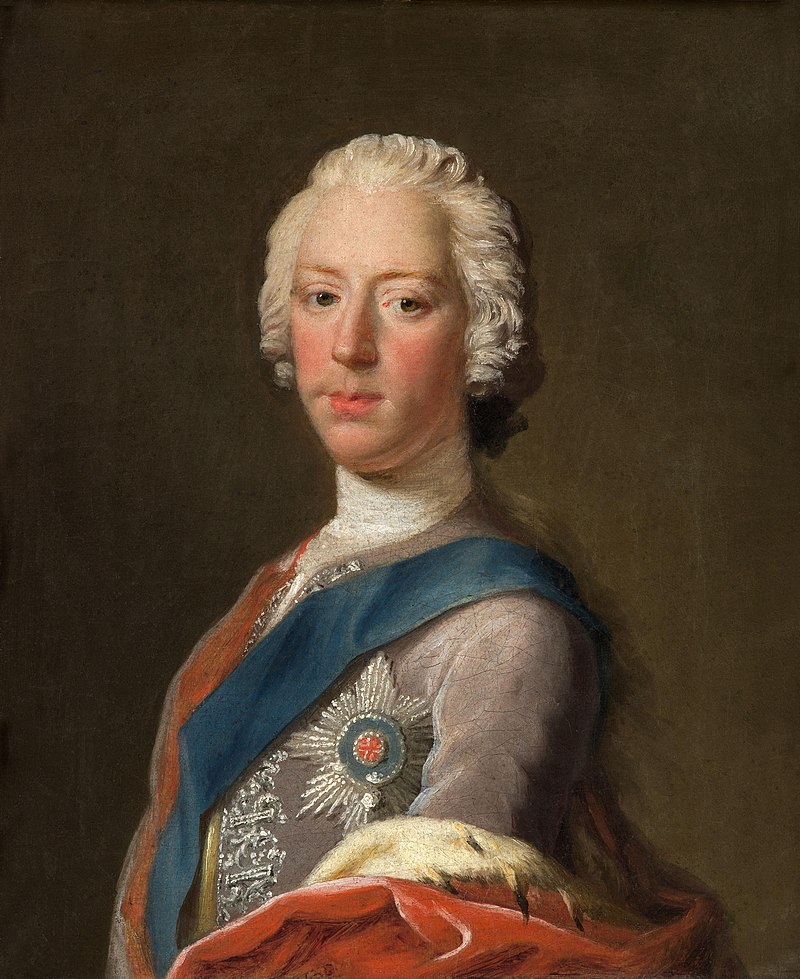
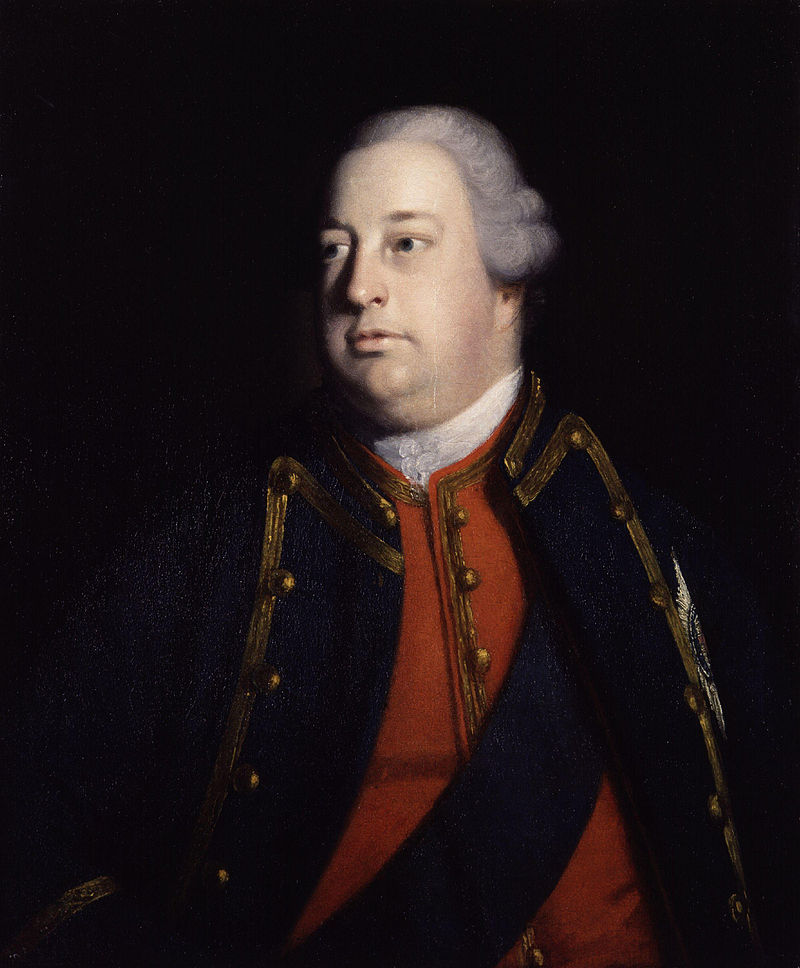
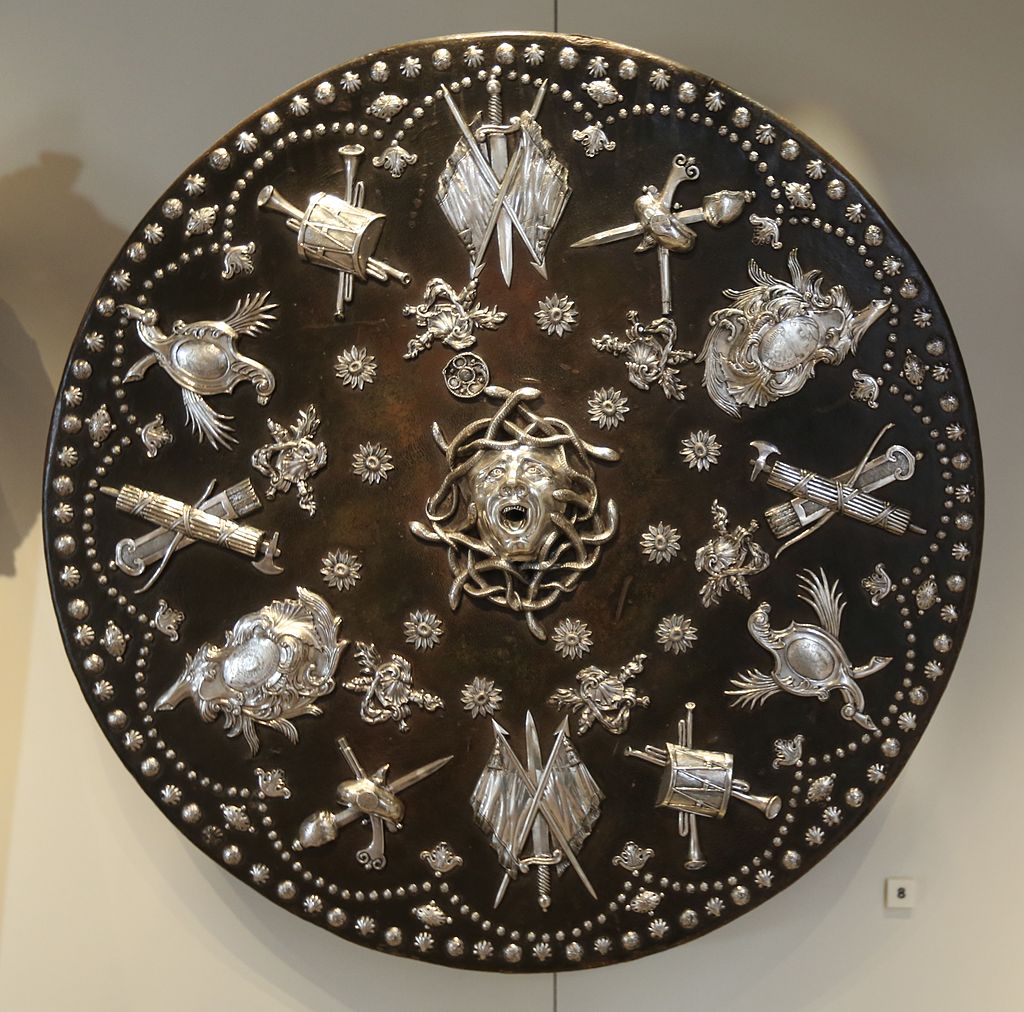
At 1:00 pm the Highlanders began to advance on the British. They fired their pistols and muskets and brandished their claymore swords. The British guns switched to cannister fire and began to mow down the advancing Highlanders. Finally close enough, the remaining Highlanders dropped their musket and charged with their swords and targes, the last Highland charge, only to be met with more musket fire and bayonets.

The Highlanders broke. Hairy Donald Livingstone tore his banner off its pole and retreated, saving the only Scots banner that flew that day. The rebellion collapsed. Charles Stuart escaped to Europe with a high price on his head. The victorious British pursued the Highlander across the moor killing even more of them. In the end 2,000 Highlanders died on the field as compared to 50 British soldiers.
With the rebellion crushed the British had to ensure that the Highlanders would never rise again. They passed a series of laws designed to destroy Highland culture. They outlawed the wearing of the tartan with first offenders facing six months in jail and second time offenders risking seven years transportation. Speaking Gaelic became a crime. Scottish religion was severely curtailed, some ministers only allowed to preach to four people at a time. Clan leadership responsibilities were taken over by royally appointed sheriffs. Bagpipes were outlawed. Finally, weapons, including bagpipes, were forced to be turned over.
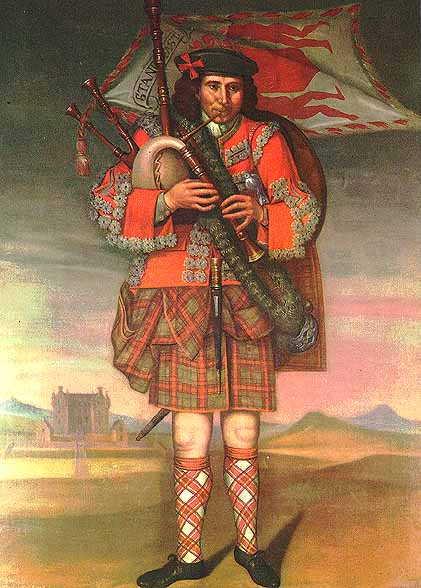
Highlanders began to leave Scotland. Some joined British army regiments. Others joined earlier emigrants in the colonies. A surprising population increase only increased the push to leave the Highlands.

The original Robert Livingston, the first to come to the colonies had been born in Scotland to a minister. When his father was banished to Rotterdam in the Netherlands, young Robert went with him and grew up in that city. After his father’s death Robert returned to Scotland but saw little opportunity to advance himself there and left in the 1670’s to find his fortune in America. As we all know he did but he never forgot his Scottish roots. He had a pride in them that was passed down through the generations. When the St. Andrew’s Society formed in New York City in 1756 to help Scots in need, several Livingstons joined and would maintain memberships for generations.
The first Scottish immigrants to arrive on Livingston Manor probably arrived in the late 1730’s when there was a large emigration to the colonies from Scotland and Ireland. More arrived after Culloden. After all what better place to seek shelter than in the hands of cousins of men who had fought beside you at Culloden and who had promised to help Scots in need.
By the time of the Revolutionary War the largest enclave of tenant farmers on Livingston land remained the German speaking Palatines but there were many Scottish tenants mixed in with them. Perhaps they found the place names comfortingly familiar. Linlithgo, Ancram, Callendar were all Scottish names of Livingston Manor. Perhaps they found the tenant system familiar as it reflected the Laird, clan, and tenant system of the Highlands. Perhaps, just maybe, the deep hollers and thick woods of Livingston land left a space where the Highlanders could wear the plaid and play the bagpipes of their home without the constant threat of British agents turning them in for punishment.
Many people assume that the majority of Scottish immigrants in the colonies remained loyal to the crown during the Revolution and they would be right. Many of the later Scottish immigrants to America were former soldiers who had fought in the French and Indian War. The British gave captains, 3,000 acres of land lieutenants 2,000 acres, sergeants 200 acres, corporals 100 acres and privates 50 acres. Most of these soldiers took their land north of Albany near Fort Edward and Otter Creek. Others moved into the Mohawk Valley where they came under the sway of Sir William Johnson. The prevalence of Scottish place names in New York is evidence of their presence. After Linlithgo and Ancram, Argyle, Burns, Cheviot, Clyde, New Scotland, Stirling, and Scotia are only a handful of the Scots named places in New York.
These former soldiers and their comrades in the Carolinas and Georgia often joined loyalist regiments. On the other hand, many of the Scots on Livingston land, followed the Livingstons to the patriot side. Amongst those enrolled in the militia could be found:
John Campbell
Martin Campbell
William Frasier
John McArthur
Collin McDonald
Hendrick McFall
Niel McFall
Patrick McFall
Robert McFall
John McIntire
John McCuebbeck
Nathaniel McDonell
Angus McDuffe
Duncan McIntire
There were certainly more.
The Scottish descended Livingstons made leases available to other Scottish immigrants during the 18th century. Whether they fled from a population burst or retribution following the Battle of Culloden many Scottish people found a home on Livingston land.
 Clermont State Historic Site
Leave a comment