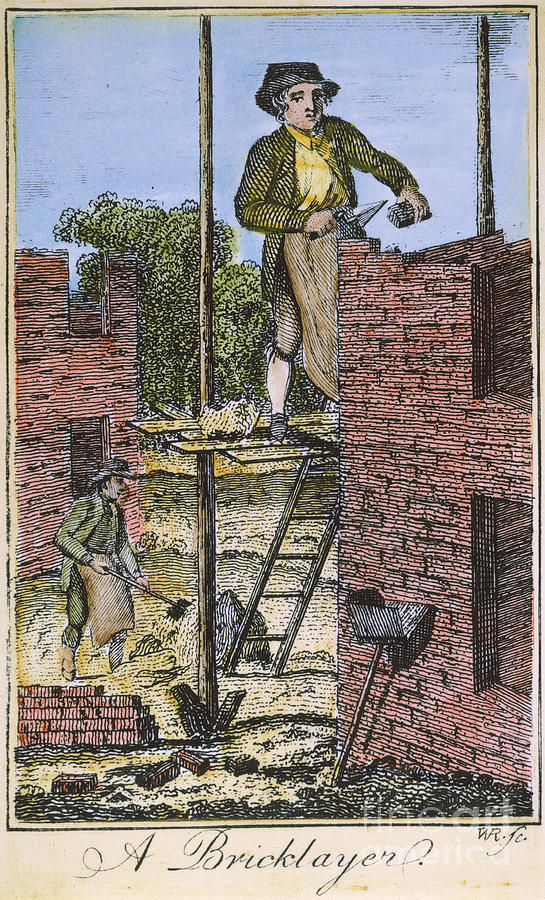
When Margaret Beekman Livingston and her young children returned to Clermont in the spring of 1778 they found that the British army had done a very thorough job in destroying the mansion. Only the north and south brick walls of the mansion were still standing. The rest of the home was gone, burned to ashes.
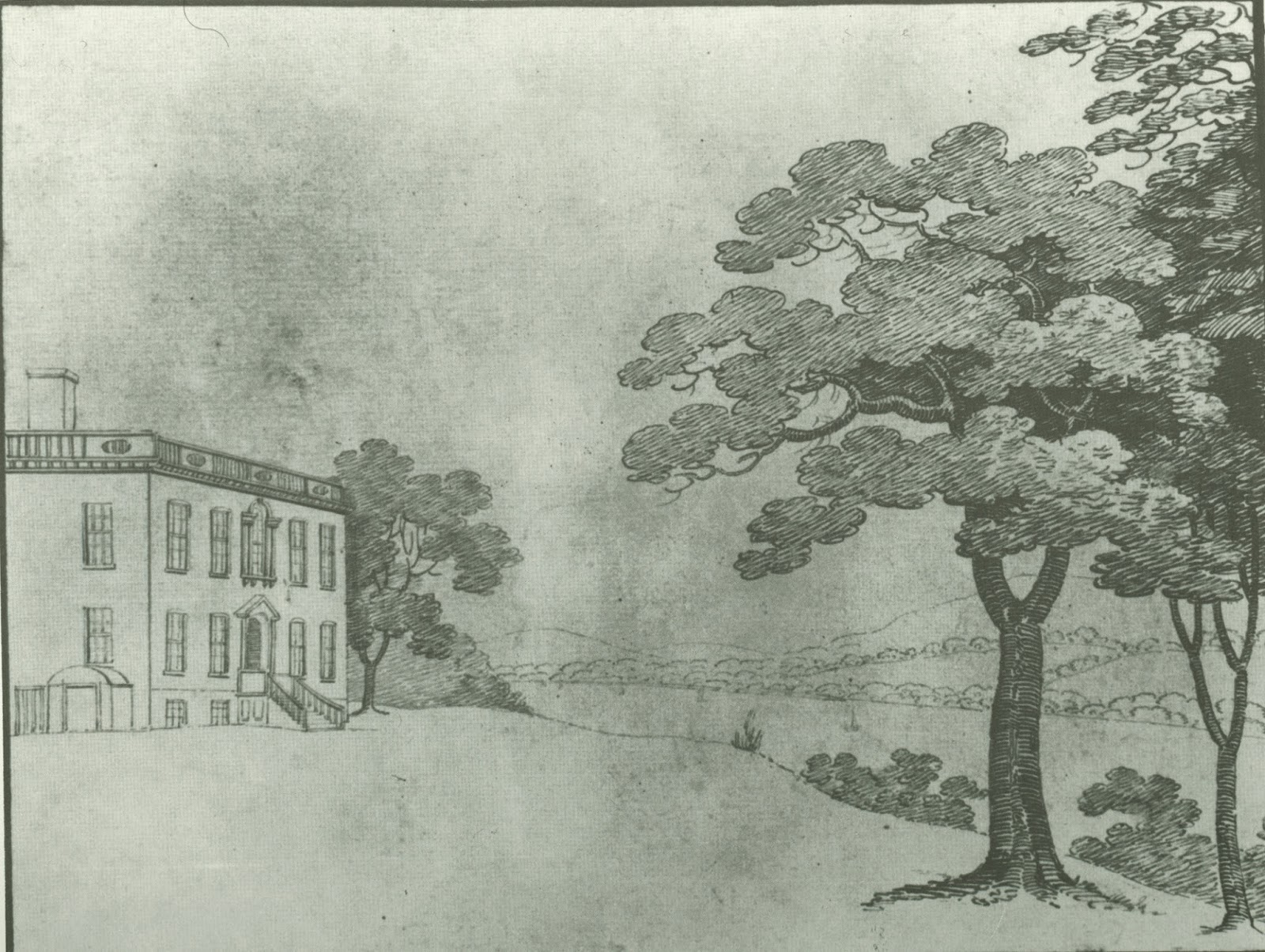
Clermont had been a Georgian mansion. the Georgian style which was popular from circa 1700 to about 1830, roughly corresponding with the reign of the four King George’s in England. The style was marked by symmetry. The front door opened to a center hall with a grand staircase on the other side. Doors led to four rooms off the center hall. Up the stairs another hall had four rooms off of it.
Margaret Beekman Livingston decided she would have the house rebuilt inside the standing walls, in the same style and as soon as possible. She began writing letters to Governor George Clinton, requesting that local men be released from their militia duties so they could focus on rebuilding Clermont. From one of these letters the names and roles of some of the workers are known. She wanted Conrad Lasher Jr. and Henry Timmerman to act as stone breakers and lime makers and Philip Schultus to serve as a laborer.
This was the second group of men she had requested from Clinton. She also desired masons, carpenters, laborers, more stone and lime makers and brick burners. It seems likely that at least some of her enslaved men would have been involved in the rebuilding as additional laborers.
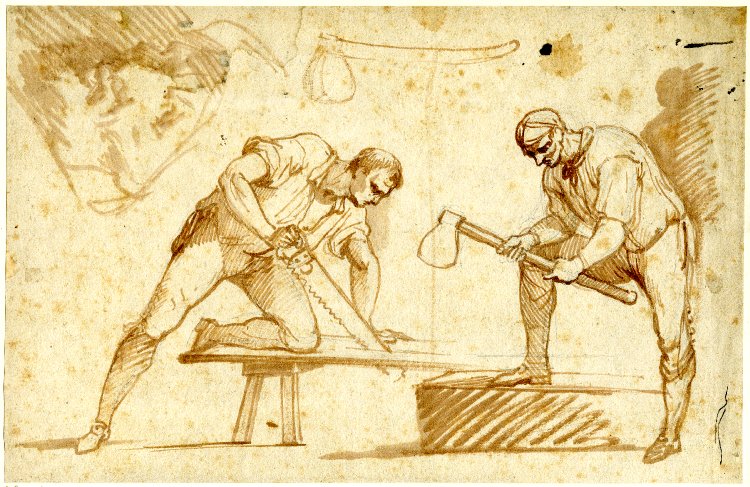
The actual construction of the house would have begun with the gathering of raw materials. Trees would have been chopped down, dragged to the site and brought, by hand into the shape desired. The brick burners would have gathered mud to form into bricks and them heated them in ovens to make them hard.
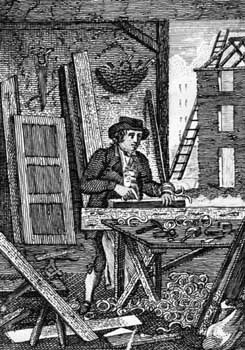
The masons and carpenters would have worked in conjunction with each other as the beams of the house, which run east to west, had to be tied into the brick walls. Interior walls were also made of brick. As soon as the exterior work was done interior work would begin. Floors, planed smooth were put in place. Fine detailed trim work was put in place, having been cut and shaped with specialized planes.
It took years of work, more than five years, but the house was rebuilt as it was. It was nearly complete in 1783 when George and Martha Washington showed up on George Washington’s tour of the northern battlefields. Martha was left with Margaret Beekman Livingston for eight days as Washington explored the north. Martha and Margaret had become friends during the war and even attended church together during the time she was there.
There is a family story that the staircase to the second floor was not complete at the time of the Washingtons’ visit. Margaret insisted that Martha not risk herself climbing the incomplete stair case and instead sleep in the basement in a room with a large fireplace adjacent to the kitchen.
Though the original Clermont was destroyed in 1777 by the British army, through sheer tenacity and will Margaret Beekman Livingston was able to have the house rebuilt during the war. It required many of the men from the surrounding area who had specialized skills to rebuild the house but Margaret was able to use her influence to have them rebuild her Georgian mansion.
 Clermont State Historic Site
Leave a comment