This is the first in a series of five blogs that will explore the life of Katharine Livingston Livingston Timpson’s children. If Katharine was Clermont’s forgotten daughter, her children are the forgotten grandchildren. Whereas her sisters Janet and Honoria had no children, Katharine had five children. They lived their lives aware of their Livingston legacy but free to pursue lives outside of the Hudson Valley. I owe a tremendous debt to Robert Timpson, one of Katharine’s grandsons, for the information he has provided on his father and his father’s brothers and sisters.
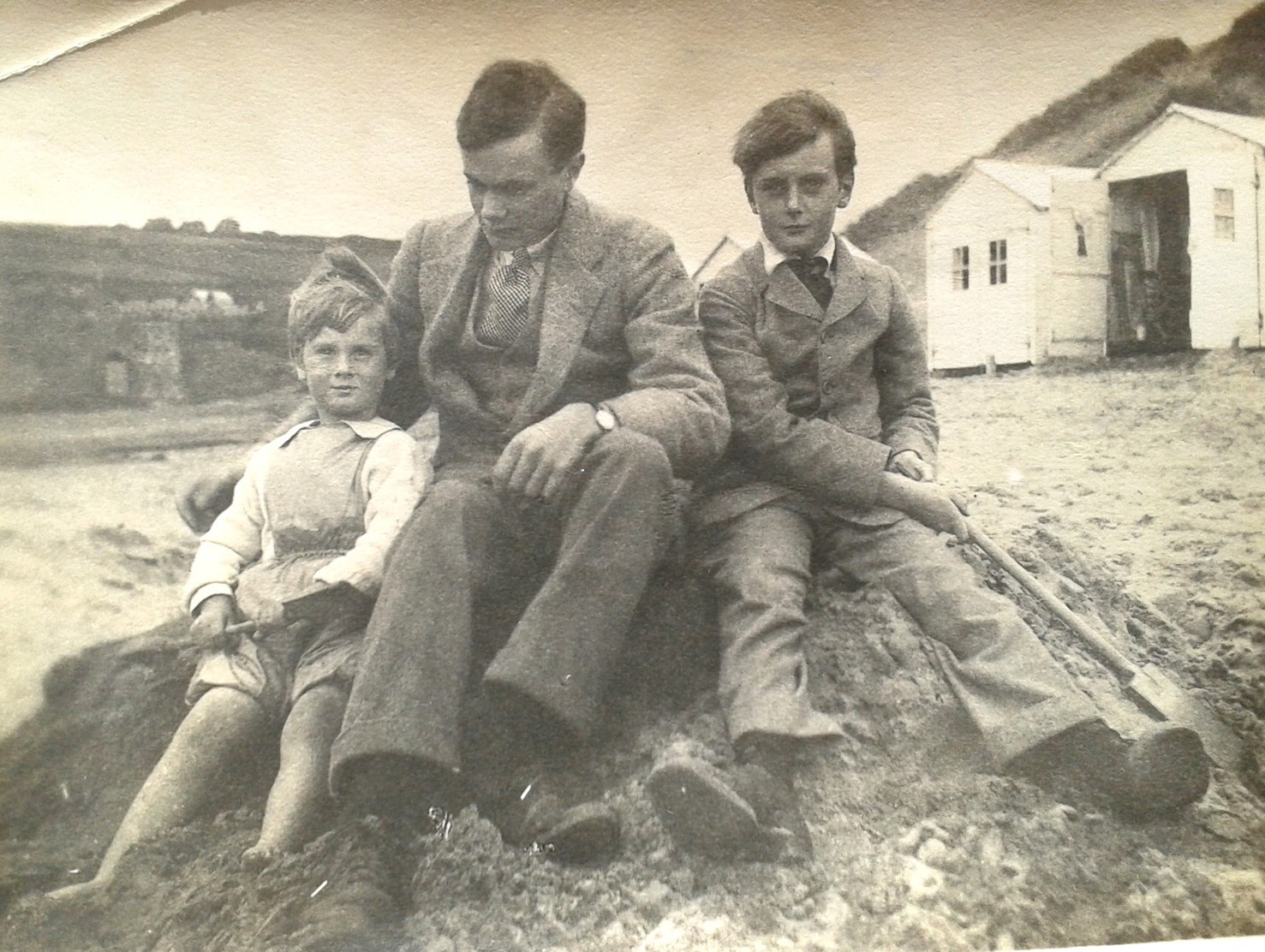 |
| Theodore and his brothers Alastair (r) and Robert (l) |
Theodore Livingston Timpson was born in 1901. He was the first child of Katharine and Lawrence Timpson. He lived at Maizeland, a mansion in Red Hook, NY, with his parents. Maizeland was first occupied by David Van Ness. He was an officer in the Revolutionary war and held several political posts after the war. There is a story that Aaron Burr hid at Maizeland for a brief time after his duel with Alexander Hamilton. Van Ness’s nephew, William, had been Burr’s second at the duel. It became the Timpson home and Theodore\’s grandfather was once visited by President Chester A. Arthur at the mansion.
 |
| Maizeland 1902 |
Theodore’s time at Maizeland was short though, as his parents departed the
United States, when Theodore was only four, to start new lives in England. Katharine had fallen out with her father, John Henry Livingston, and space was the only answer.
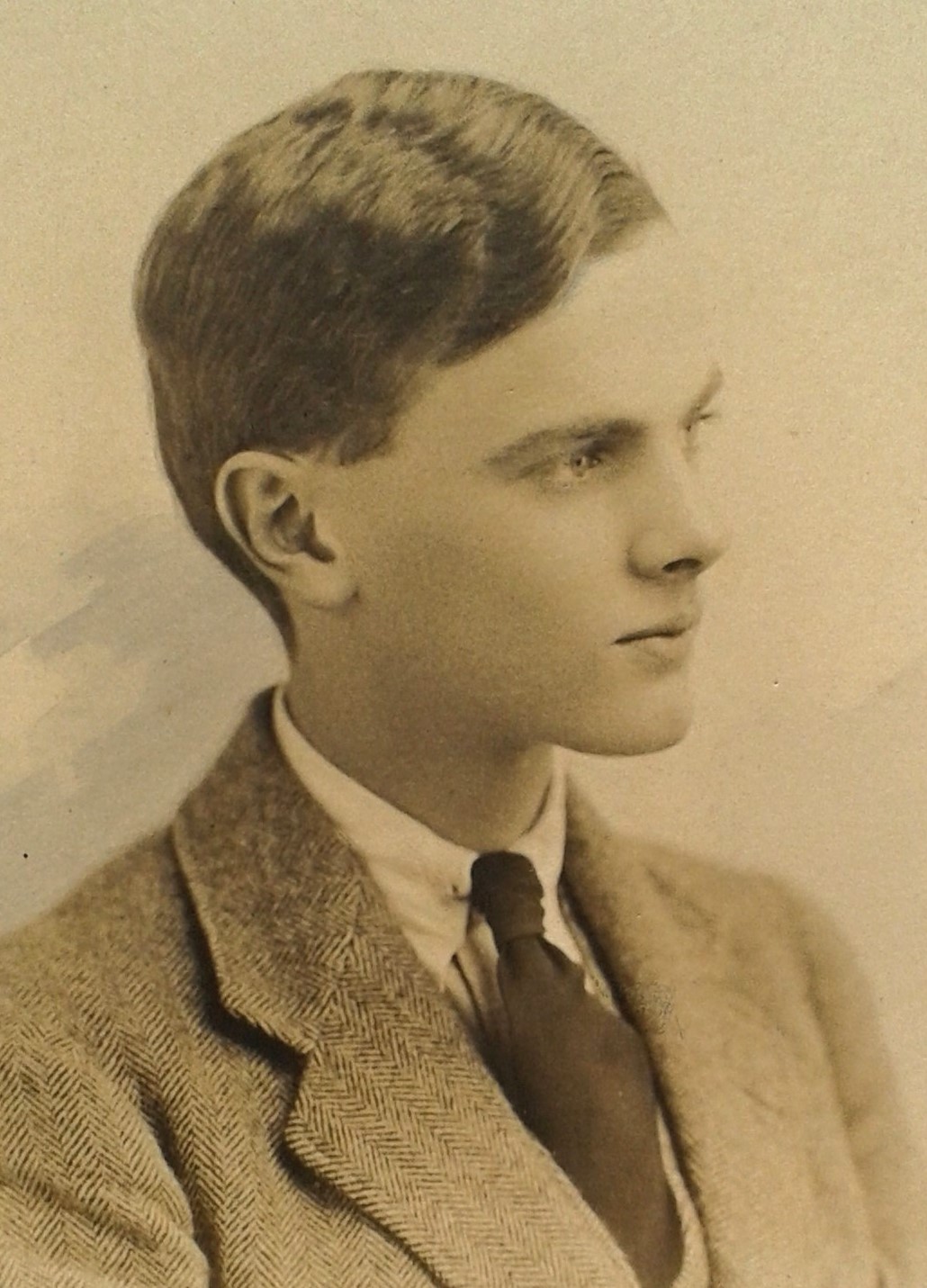 |
| Theodore at Eton |
Theodore was first schooled at Stone House School in Kent, when he reached the right age, he was sent to Eaton College, a famed boarding school in England. During World War I, Theodore left Eton to attend the Royal Military Academy Sandhurst. Sandhurst can be considered the West Point of England. At Sandhurst Theodore was trained physically and mentally to be an officer in the British Army.
 |
| Theodore at Sandhurst |
 |
| Theodore playing polo in India |
Shortly before World War II began Theodore returned to England to become major and second in command of the 1stBattalion Queen Victoria’s Rifles. In 1939 the battalion was being trained as a motorcycle reconnaissance battalion with the battalion broken up into three companies with ten Bren guns and most of the men armed with revolvers.
 |
| The Rifles training on their motorcycles |
The battalion was warned for service over seas on April 20, 1940. On May 10 a large German army invaded France and supported by German aircraft quickly began to push the French, British and Belgian armies west to the English Channel.
On May 21 at 10:30 pm the battalion was ordered overseas. Early in the morning of May 22 the battalion loaded onto the S.S. Canterbury to cross the English Channel. The battalion landed on the quay at Calais. Even before the battalion’s baggage was offloaded wounded British soldiers were being loaded onto the ship to be brought back to England.
The town’s air raid siren was screaming almost constantly. The sky was full of planes as German planes battled British planes flown across the English Channel. Both sides lost planes and pilots. On the ground Nazi tanks pushed forward against the British and French defenses. Theodore’s battalion arrived in the middle of this. His battalion was severely under equipped with only 10 Bren guns and 5 antitank guns for each of the three companies. In addition, 1/3 of the men were armed only with pistols. Nevertheless, the battalion was spread out to cover six roads leading into Calais. The battalion took up positions in and behind the city’s 17thcentury defenses wherever they could. Theodore set up the battalion headquarters at a gate in the walls that guarded the Dunkirk road.
 |
| Artillery damage to Calais |
By May 24 Calais was surrounded and the only escape could be by sea. British and Polish destroyers bombarded targets on land and took wounded men off the quays. French naval gunners turned their coastal defense guns inland to bombard the rapidly closing Germans. German artillery rained down on the town. Late in the day most of the French gunners spiked their guns and escaped onto French ships.
On the 25 of May the Queen Victoria Rifles beat off an attack by the Germans at the outer ramparts of the town. They then moved to defend three bridges that led into the town. Despite a determined attack by the Nazis led by Panzer tanks, the Nazis failed, and the Rifles held the bridges. A German plane flew over head and dropped leaflets calling on Calais to surrender. Late on the 25th the defenders of Calais began to fall back again. Theodore was tasked with supervising the crossing of a canal by boat for members of his battalion. Later he was ordered to begin moving men into the sand dunes between the town and the ocean.
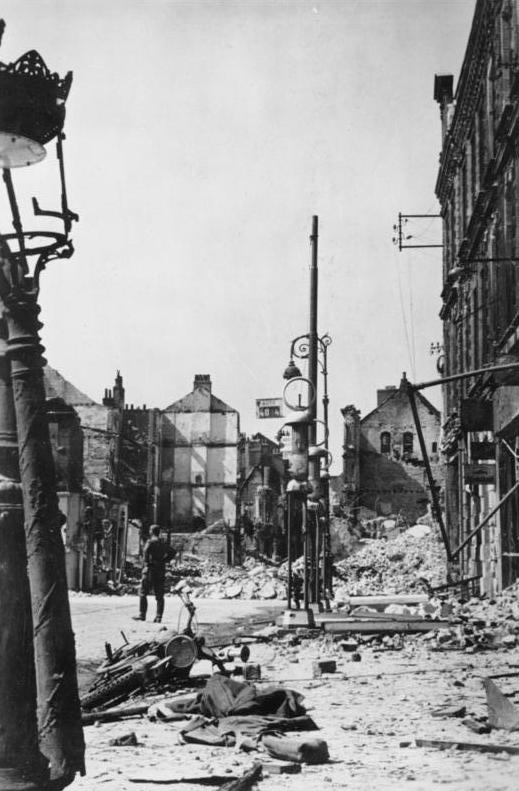 |
| Damage on Calais\’ streets |
At 4:00 pm on May 26 the French commander surrendered his forces to the Nazis. The order every man for himself was given as the German Army overran the town. Soon the Queen Victoria Rifles were ordered to lay down their arms and surrender to the Nazis. Of the 550 members of the Queen Victoria Rifles who marched into Calais almost all were killed, wounded or like Theodore taken prisoner. The town had fallen and nearly 4,000 British soldiers had been taken prisoner, reports of French captured reached up to 10,000 soldiers, but by holding out as long as they had, the defenders had bought time for the evacuation at Dunkirk. Operation Dynamo, as it was known, eventually evacuated 338,226 soldiers.
Theodore would spend the next five years as a prisoner of war in prisoner of war and reprisal camps. Occasionally he was able to correspond with his Aunt Janet, John Henry Livingston’s youngest daughter, nine years his junior. At the end of the war Theodore’s camp was liberated by the Russian army. He was sent home but a report he wrote on the siege of Calais ended up in the Russian archives until it was returned to the family in 1997. After his release he was “mentioned in orders” for gallant and distinguished service at Calais.
After the war Theodore returned to his family in England. He was at that point an honorary lieutenant colonel, a reward he had earned in 1946. During his time in the prisoner of war camps his rank had been frozen. Many of is classmates at Sandhurst had risen to the rank of general so the lieutenant colonel rank was something of a disappointment to him.
Mollie nursed him back to health on a farm in the English countryside. By 1958 they was living in a fine house in London. Sadly Mollie passed away. Theodore remarried to a woman named Eleanor. In 1964 they made a trip to America, renting a home in Nantucket, to visit Theodore\’s family and to visit the Hudson Valley sites of his youth.
Tragically Theodore drowned near Durban, South Africa while on a trip to visit his brother Robert.
As mentioned above a tremendous thank you to Robert Timpson who provided much of the biographical information on Theodore as well as access to the report Theodore wrote on the battle of Calais.
 Clermont State Historic Site
Leave a comment