 |
| Villa Camerata, one of the homes the Livingstons rented in Italy. |
In the early 1920s, the Livingston family spent some five years in Europe, enjoying travel and making sure the two daughters Honoria and Janet got a \”Cultural Education.\” While they were gone, the Livingstons on their staff to run Clermont\’s farming operations and care for the buildings. It was not an uncommon situation. Wealthy estate owners often had several properties that they traveled between, as well as occasional long vacations, meaning that trusted servants were in charge while they were away. These estates housed small communities of trusted workers who each had their own lives and stories intimately connected with the property.
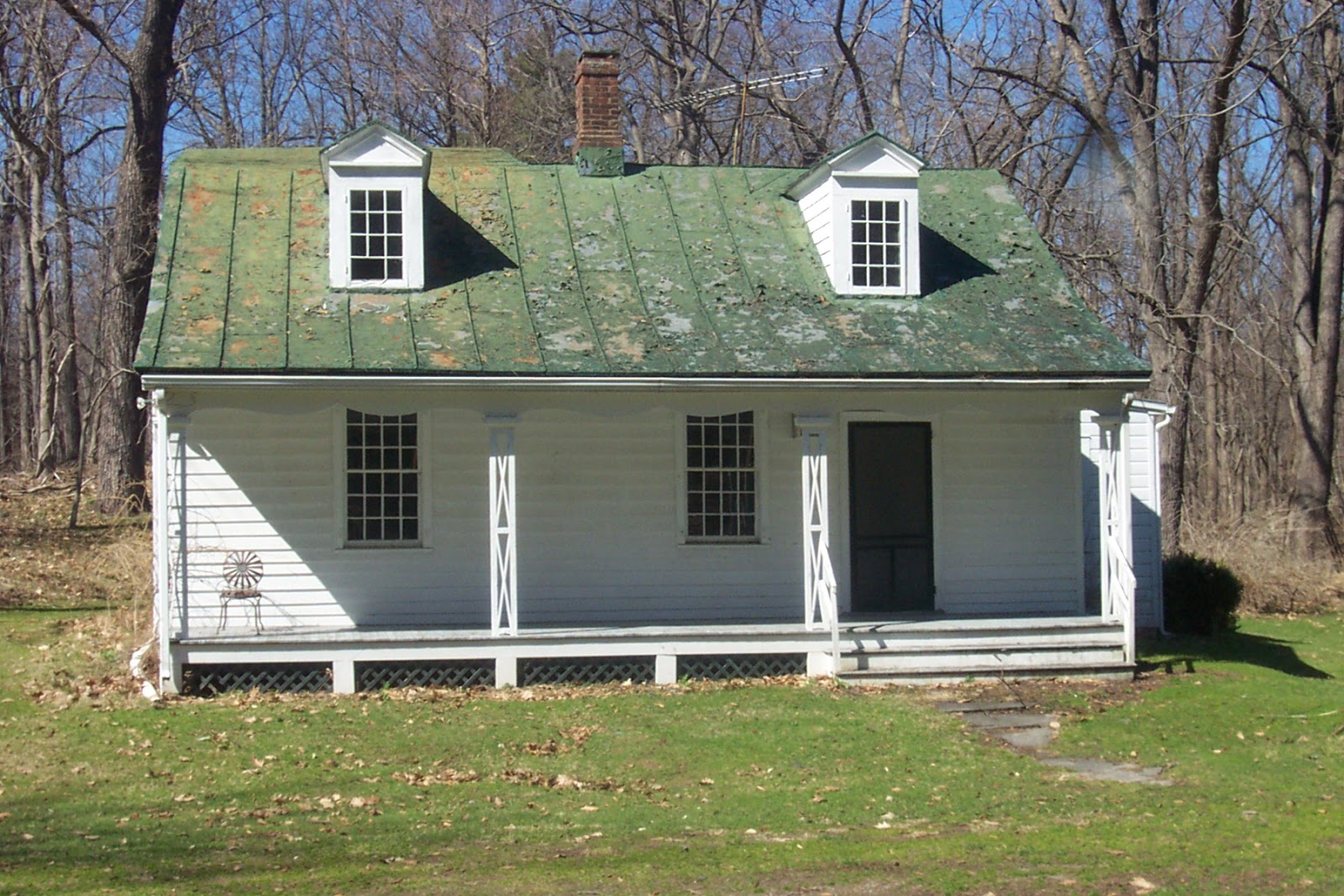 Rall owned a farm in nearby Germantown and was an experienced farm manager. He had worked for the Clarkson family in that capacity for some ten years before and was also apparently familiar with Clermont from past work. So he would have been well-prepared to oversee the several hundred acres of Clermont estate that remained by the 20th century, including orchards, vegetable and flower gardens, livestock, hay fields, about five barns, and two or three cottages.
 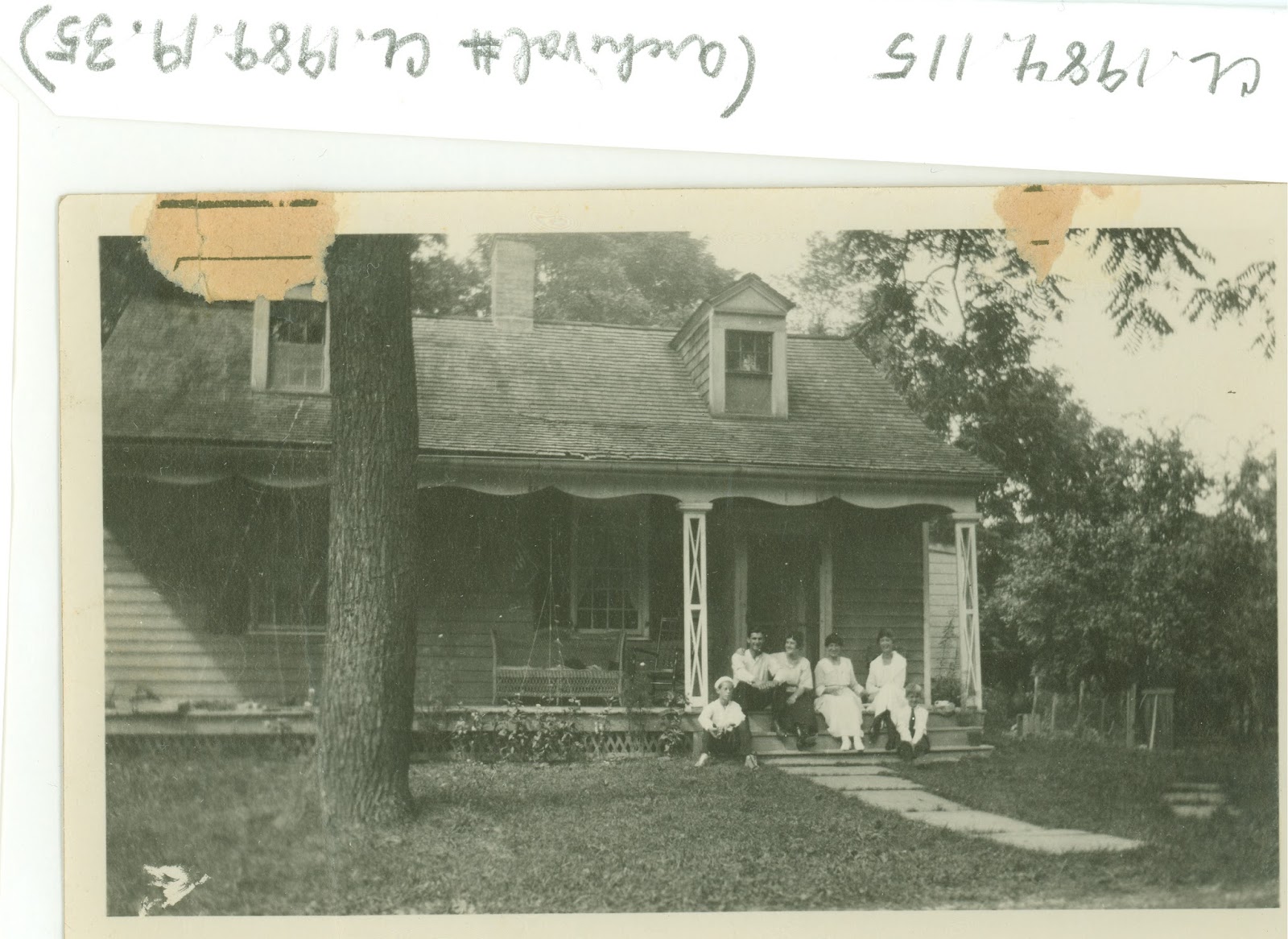 |
| Sylvan Cottage. This photo was found in the Rall Collection at Clermont and most likely shows his family. note the enclosed yard to the right, possibly where Mrs. Rall was raising fowl. |
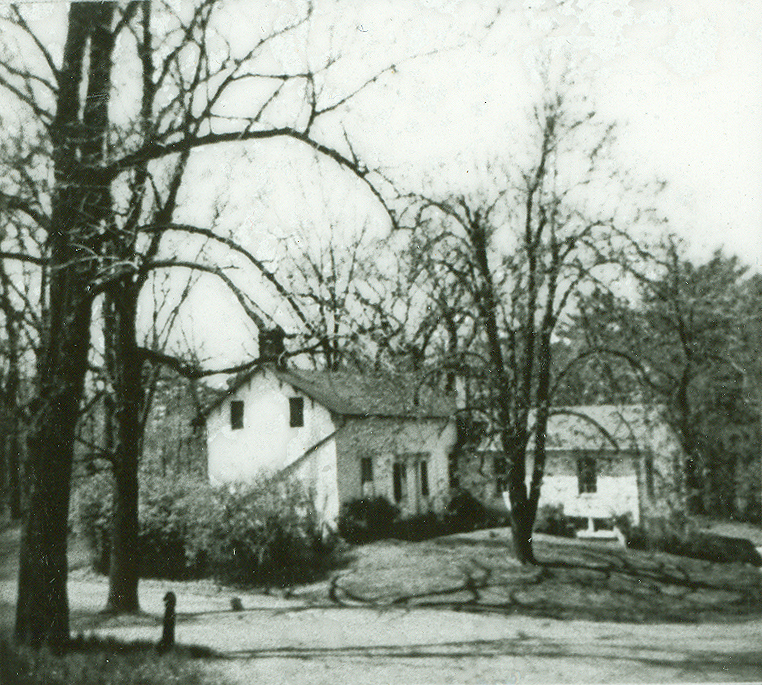
At Clermont, Rall joined a small staff. This was not the old days with 6 or 7 house servants, plus outdoor workers. The Livingston staff had shrunk over the past few decades, which was happening to a lot of households along the Hudson River and elsewhere. Rall\’s closest neighbor on the estate was likely Clarence Jones, who by 1930 lived with his wife and two sons in Clermont Cottage (at right), just around the corner of a one-lane dirt road that lead down the mansion. An African American man from South Carolina, Clarence was the butler, ultimately in charge of all responsibilities pertaining to the mansion.
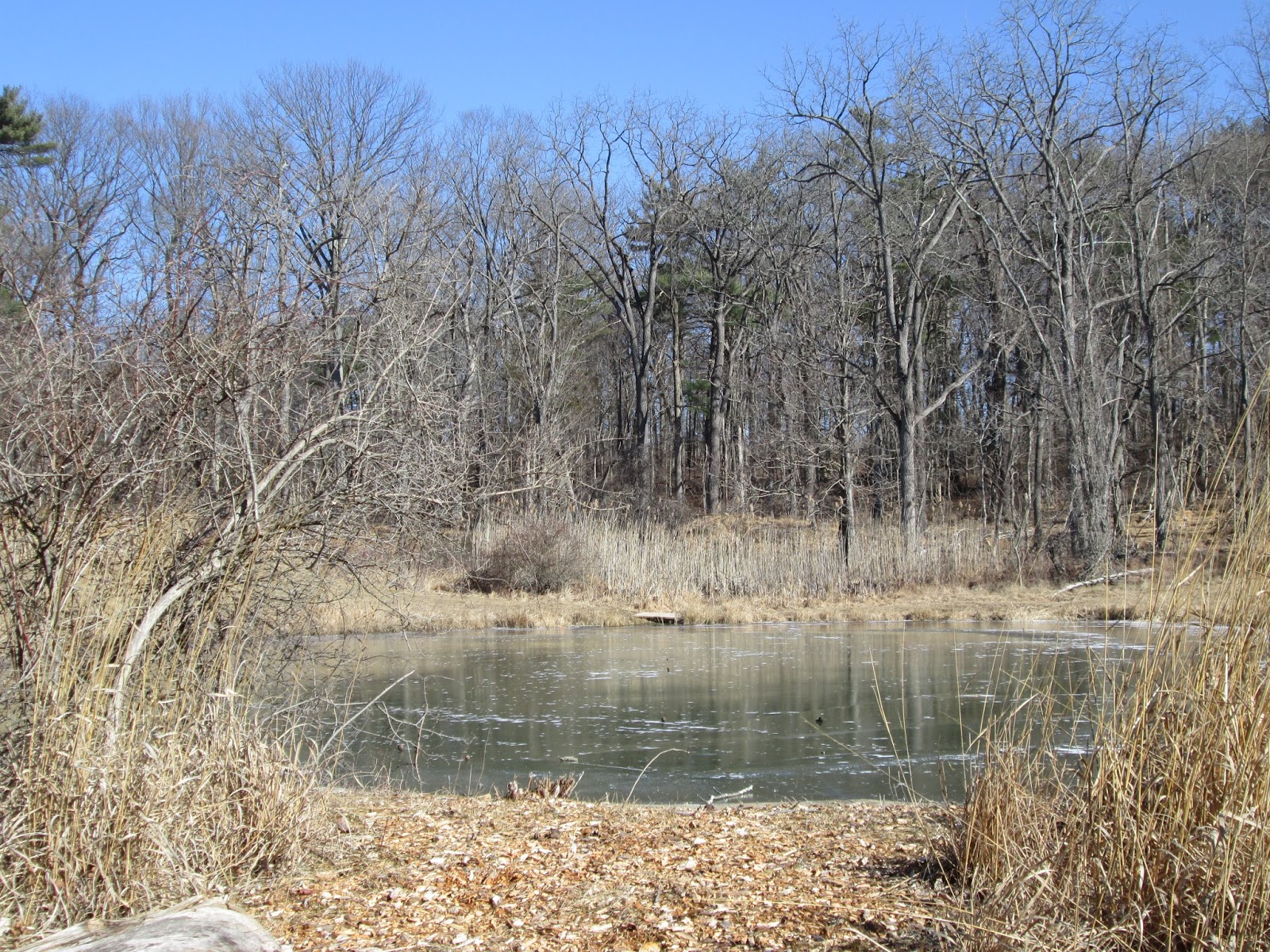 John Rall immediately set about the winter duties of the estate. Along with Floyd Smith, Brown, and Downing (?)–three other Clermont workers–he drained the water from the mansion\’s pipes in preparation for winter. Even though the Livingstons were returning to America, they were headed straight to their Aiken, South Carolina house the Band Box, and Clermont\’s main house would remain unoccupied for the winter. Clarence headed down south with the Livingstons with them as part of his duties. Floyd moved into Clermont Cottage while he was gone. Rall hired day workers and cut ice off the little pond, bought some supplies for the horses, and everyone at Clermont presumably hunkered down for the winter.
 I enclose the cheque for you for [January] & the other bills. The shock of Mr. Livingstons death is too dreadful for us–He was as nearly perfect as one could be. There is only one thing that helps, & that is to know he was well & active & happy almost to the end, & was spared a long illness & suffering- I had flu, & he got it just as I was getting well, & at first we never dreamed it [would] go wrong, but suddenly, pnuemonioa developed & in a few hours he just stopped breathing, without pain & peacefully. I dont know how we can go to Clermont without him, but he wanted us to, so we shall– I hope so you can rent or sell you farm and stay with me–Mr Livingston wanted you- & it [would] be such a help to me if you could –
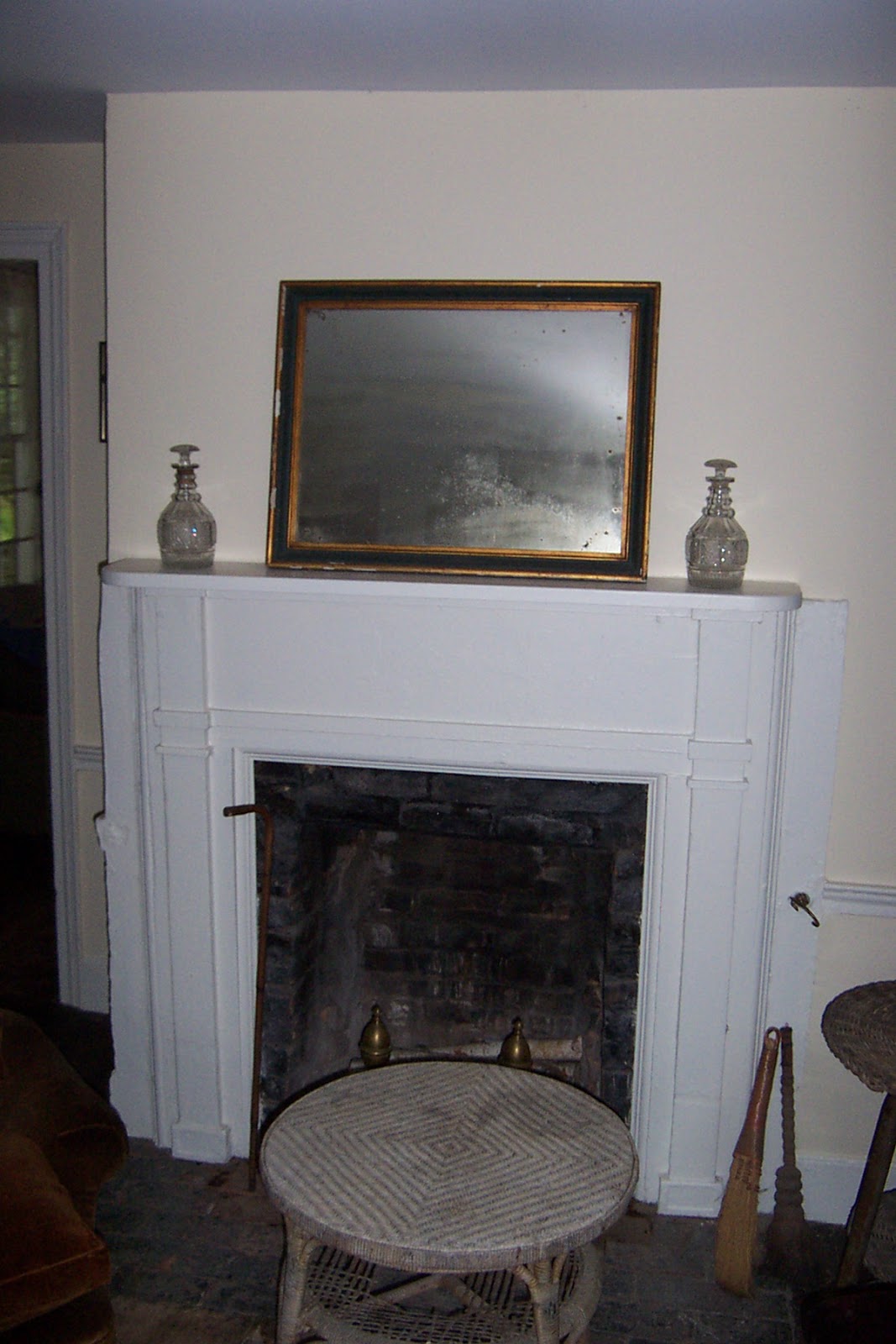 |
| A fireplace in the Sylvan Cottage front room |
Mrs. Livingston asked if Mrs. Rall would be able to take on some of the estate\’s other work: laundry, butter making, milk, raising the chickens and eggs. She asked Rall to stay on, suggesting that he was already thinking of leaving. Had this been a winter-only arrangement from the beginning or had the Rall family changed their mind when Mr. Livingston died?
Mrs. Livingston was trying to catch up on all of the little details her husband had always taken care of. \”Please get what help you need for the wood, so there is plenty–I did not know could not do it alone…\” \”Can you start vegetable in the green house, & is it time to send you the seeds? Do you know about planting things, I dont know anything!\”
By the end of February, Rall had made his decision to leave. \”I am so sorry you think you cannot stay, but I understand how you cannot unless your farm is sold,\” wrote Mrs. Livingston.
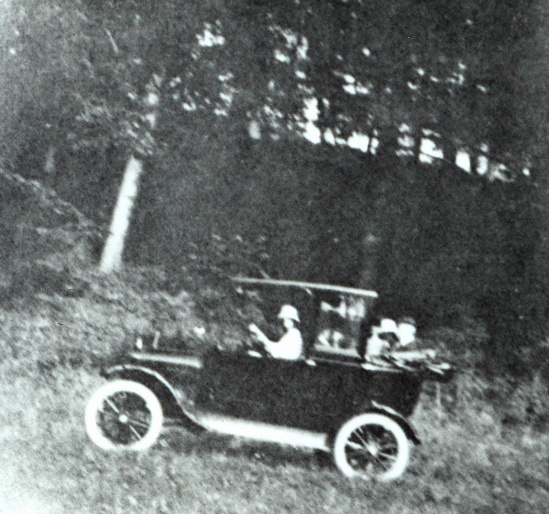 |
| \”The Ford Car\” |
Nevertheless, Rall would help her find some staff to work the estate. it was a flurry communications: A chauffeur was still needed. Raymond was almost taken on, but he wouldn\’t drive the car. In March Raymond was instead being considered to care for the animals and barns, but he didn\’t know how to care for the vegetable gardens. Mrs. Livingston engaged someone from South Carolina to come up and care for the building maintenance, but she still needed someone to drive the car for her. Brown could move into Sylvan Cottage after Rall and his family moved out–but then that fell through for some reason. Brown was out.
By March things were still not settled, and Mrs. Livingston was beginning to sound a little desperate. Who was going to move into Sylvan Cottage? She couldn\’t bear to have a stranger in the position. What if Raymond moved in? Even if she had to buy her vegetables, instead of growing them at Clermont, maybe that would be better. She needed someone to care for the animals and the water pump and watch for fires… The confusion had her \”much upset.\”
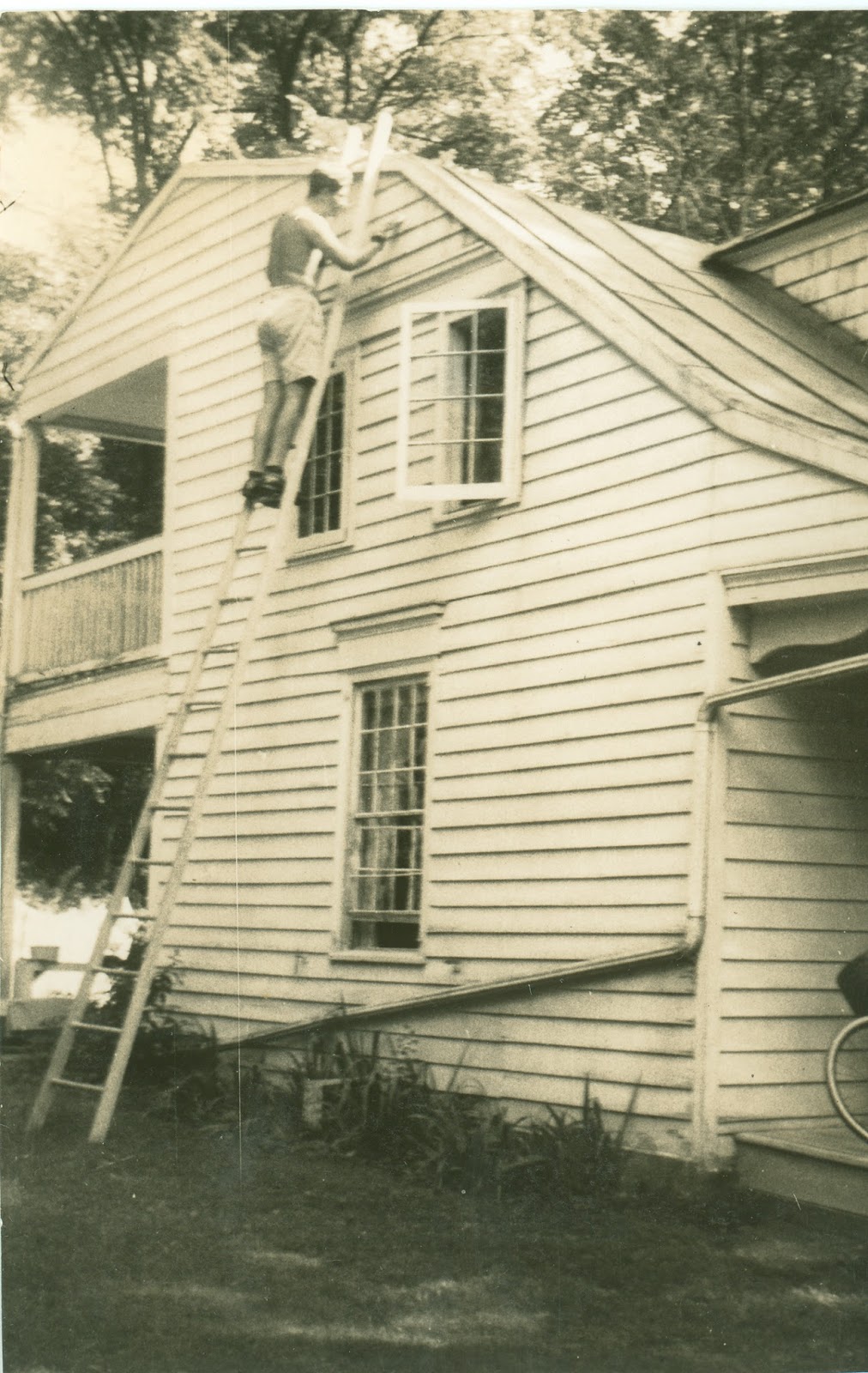 |
| Honoria\’s husband Rex, painting in the 1930s |
A few days later, Rall had the situation straightened out for her. A telegram arrived from Mrs. Livingston on March 26 or 27 that just said \”Telegram received very glad to have Claude same terms as Brown.\”
And just like that, Rall was extricated from Clermont. Claude moved into Sylvan Cottage. Floyd had to move back out of Clermont Cottage so Clarence could move in. There was still no one to drive the car or cut the lawn, but Rall seemed to be largely absolved of the responsibility of finding anyone. By the end of March, he was back on his farm in Germantown. Mrs. Livingston didn\’t even know the address. She sent him a letter of gratitude, but had to simply send it to the Germantown post office and trust them to get it to him.
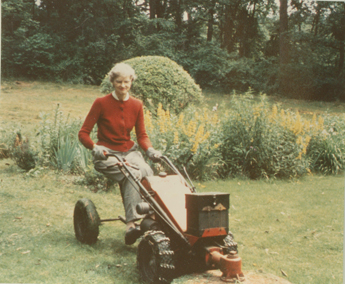
By 1931 Sylvan Cottage was empty again. This time it was slated to become the home for Mrs. Livingston\’s newly-wed daughter Honoria and her husband. Mrs. Livingston\’s other daughter Janet eventually took up mowing the lawn. Apparently it was a bit of a family novelty; there are several photos of Janet on a lawn tractor.
The little archival box that houses the Rall Collection at Clermont provides an interesting window into life for non-Livingstons at Clermont. Even though it\’s too bad that we don\’t have any of Rall\’s correspondence back to the Livingstons, we do get a picture of how boss and employee interacted, how tasks were divied up, and just how many men were caring for the property during the time. Clermont and the other estates along the Hudson Valley were important on a daily basis, not just to the families who owned them, but the men and women who were there for work, building relationships with the people, animals, buildings, and grounds.
As someone who\’s been working at the site for ten years now, I can totally identify with those people.
 Clermont State Historic Site
Leave a comment