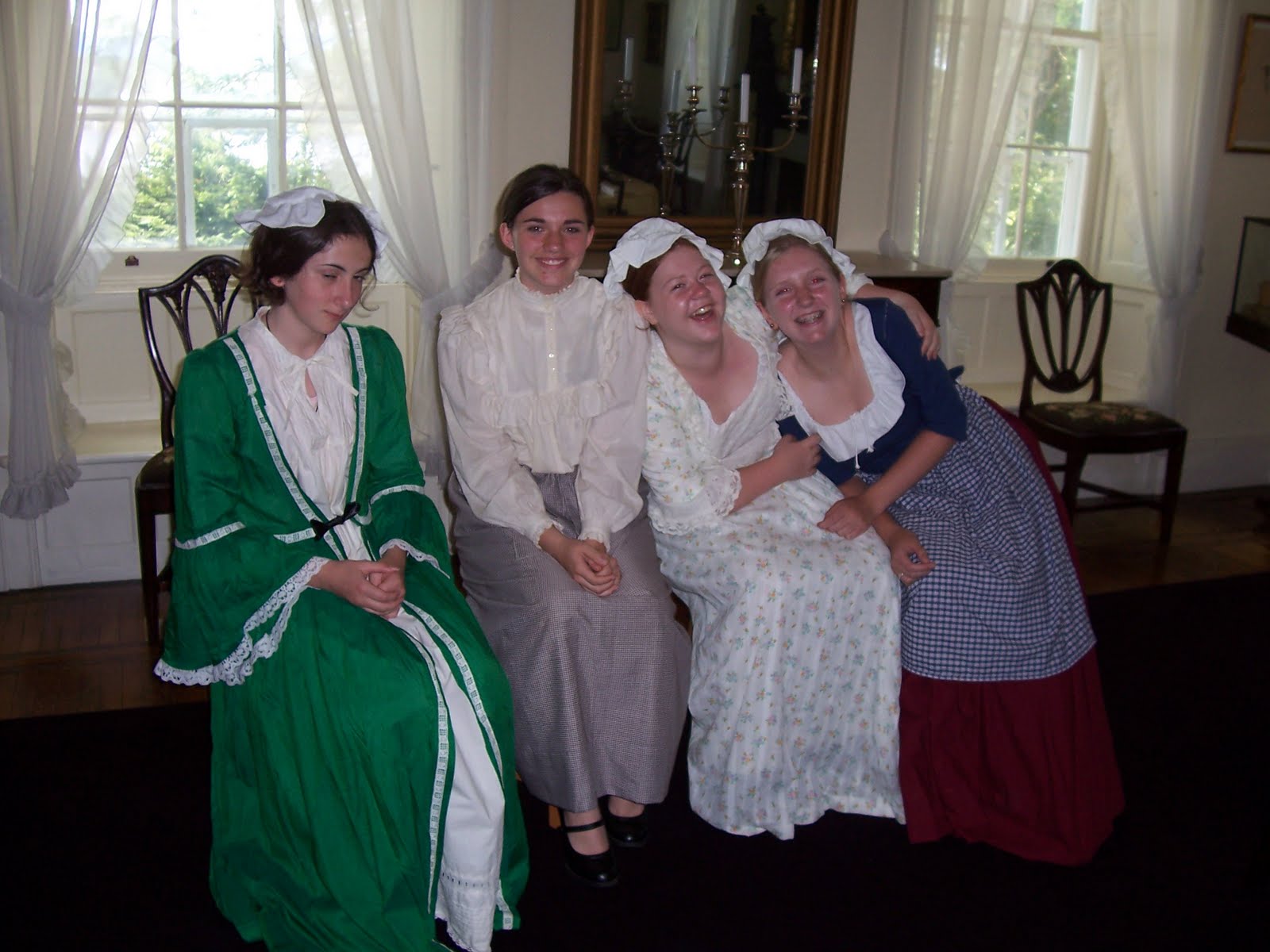
 Our Junior History Club is happening here this week, and the kids are eagerly planning their end-of-week projects. Every year, they get to pick Livingston characters and portray them inside the mansion for their parents and other guests. They dress in costume and research their person\’s vital statistics. I\’ve found that kids remember for years who they portrayed at each year of camp and as young adults still hold onto a little bit of a bond for that person.
 Naturally, whenever possible, they like to deliver their monologues next to the portrait of their charactor. So when my one camper announced that she was Cornelia Livingston, I couldn\’t help but feel a little bad that I had so little to offer her.
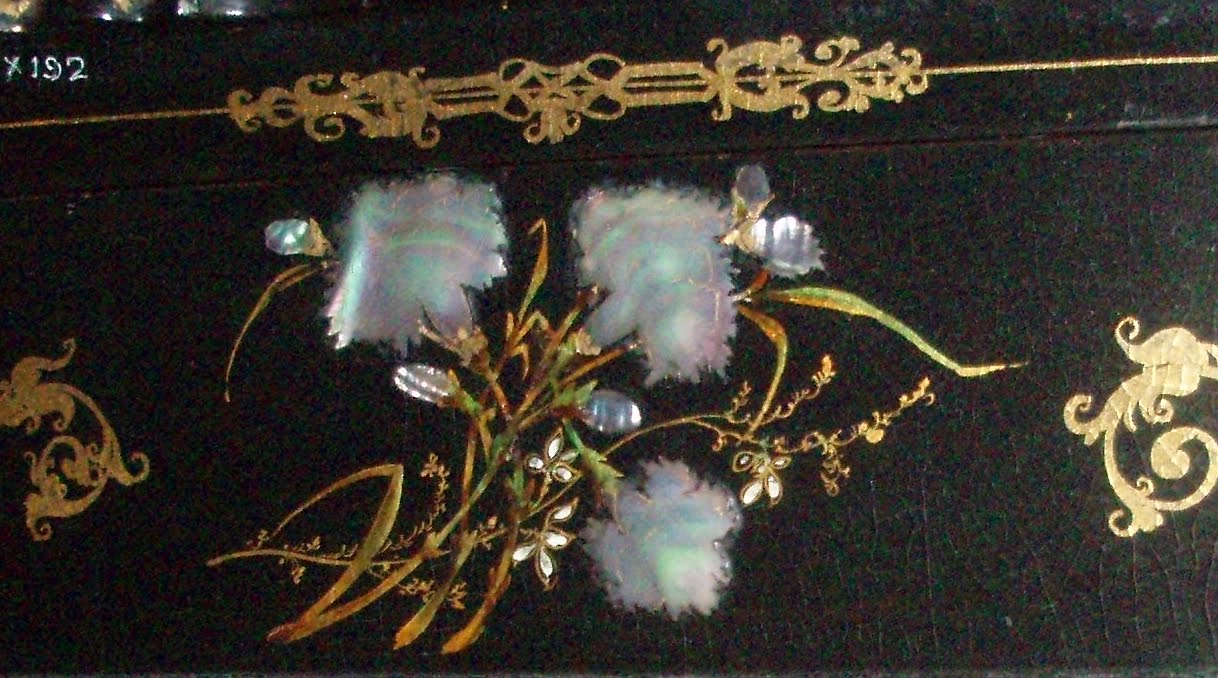 Dead in 1851, Cornelia was John Henry Livingston\’s mother, and no portrait was ever painted of her while she was alive. John Henry confirmed this in a brief memoir later in his life. Kids who portray her usually do so in front of the 1840s sewing box that stands in the study. It\’s a lovely piece, inlaid with mother of pearl and beautifully decorated, but it\’s not much of a way to get to know someone.
 So instead I offered to show her the only picture of Cornelia in existance: a memento mori or post mortem photograph. My 14-year-old camper (and everyone else in her vacinity) looked a little bit disturbed by the idea.
Not only did Cornelia never have a painted portrait made of her, no photograph was ever taken of her either. Photography had been around for just over ten years when Cornelia succumbed to a lingering illness in 1851. With no other way but fading memories to hold onto her likeness, her family chose to photograph her corpse.
This was not uncommon in the nineteenth century. These photographs were perceived generally as a way to remember a loved one\’s face, though many modern viewers get quite stuck on the fact that they are seeing the picture of a dead body. In many early examples the subject is posed to appear as though they are sleeping or at rest. Cornelia\’s image looks as though she could well have just laid down for a nap, propped up gently on soft white pillows.

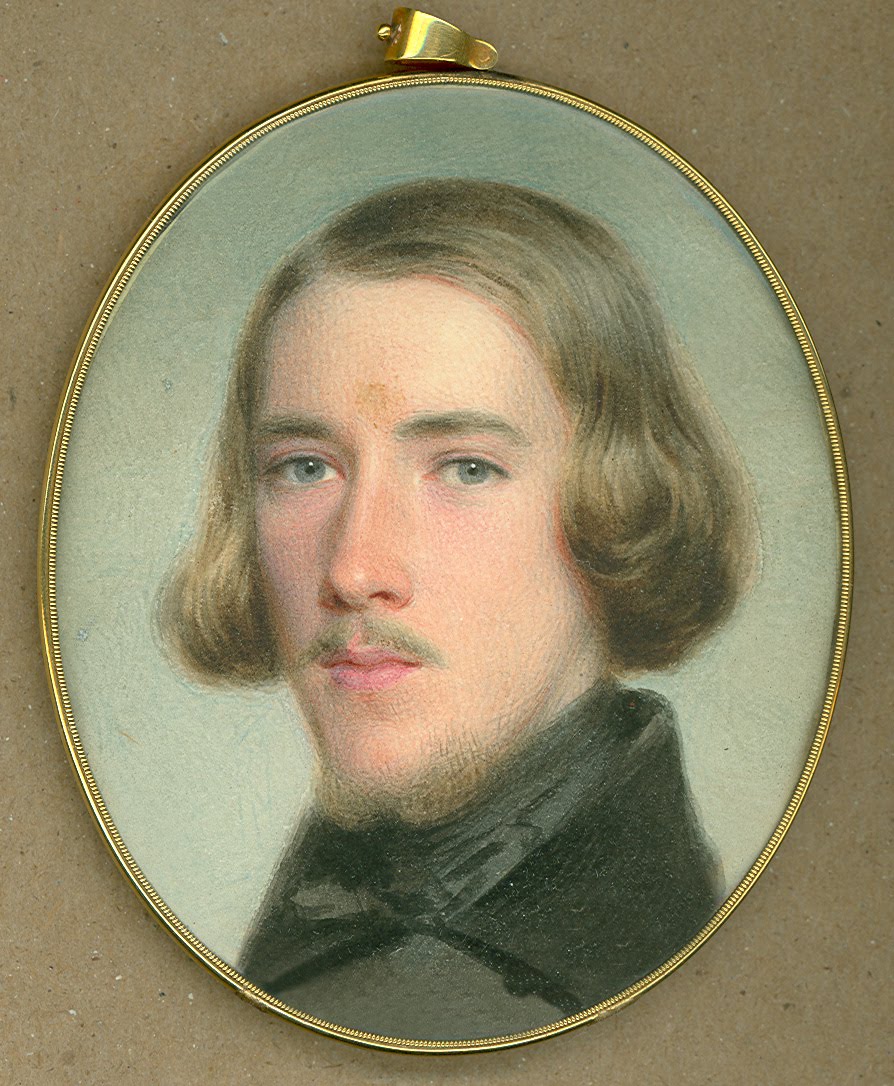 When seen as an extension of earlier mementos of the dead, these post morten photographs make a little more sense (to the modern, disconcerted viewer). Before photography gave us a cheaper and more exact alternative for remembering the appearance of lost loved ones, all sorts of materials were used to remember them. Handkerchiefs, rings, and gloves were all distributed at funerals as momentos of a lost loved one. Miniature portraits (like the one shown at right of Montgomery Livingston) provided a portable form of rememberance and could be mounted into jewelry when desired. This one also contains delicately braided pieces of Montgomery\’s hair on the back as a further rememberance.
 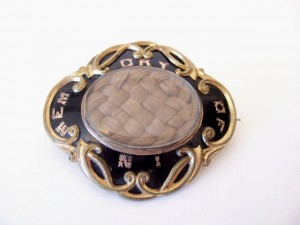 This technique was another common way to carry the memory of the dead that dates back as far as the later 18th century (the piece at right is an example).
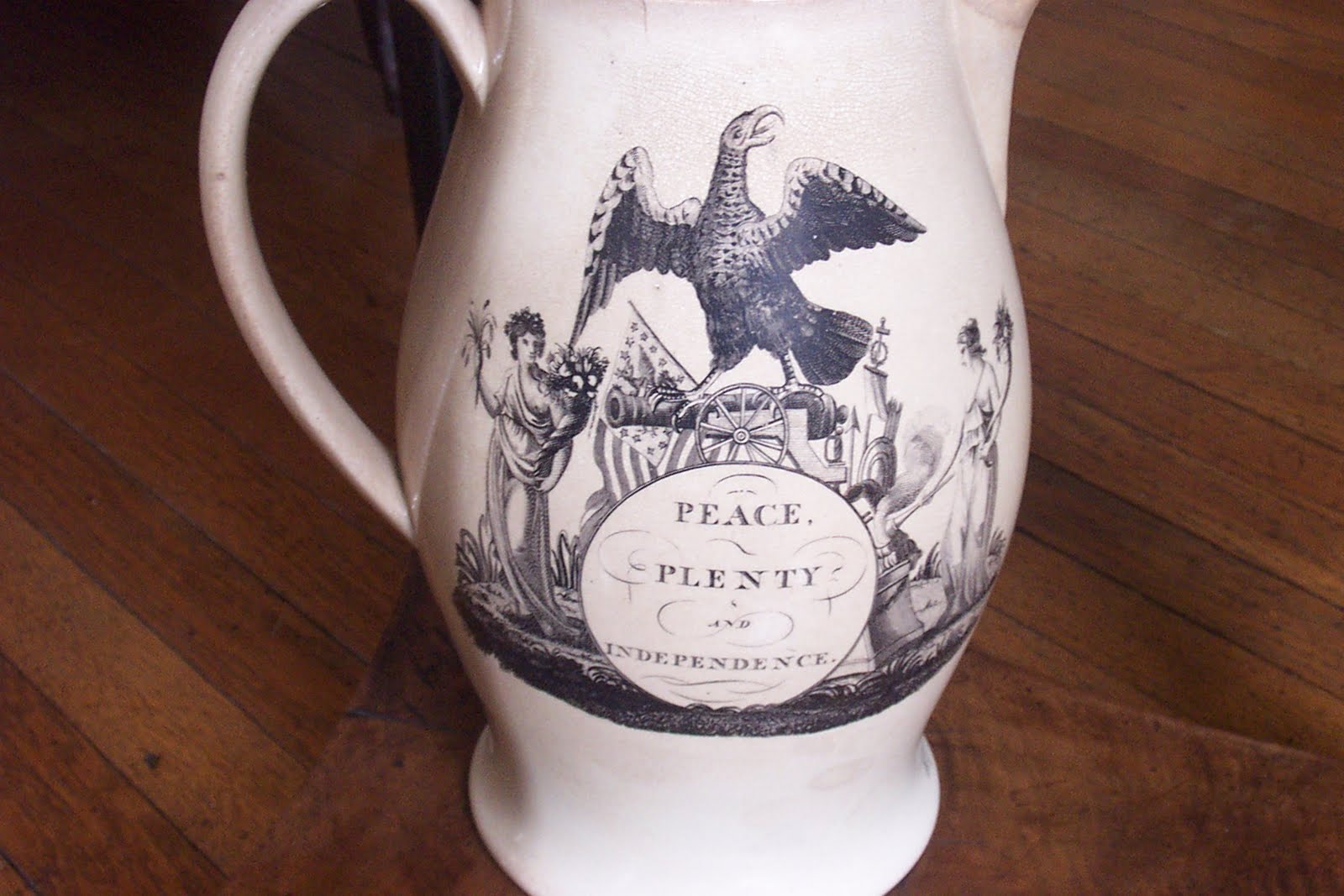 Still others were remembered in more commercial ways. George Washington is memorialized on a transferware pitcher right. Many other memorial pitures can be found at historic homes and museums, and a wide variety of commercial goods were to produced to commemorate his life.
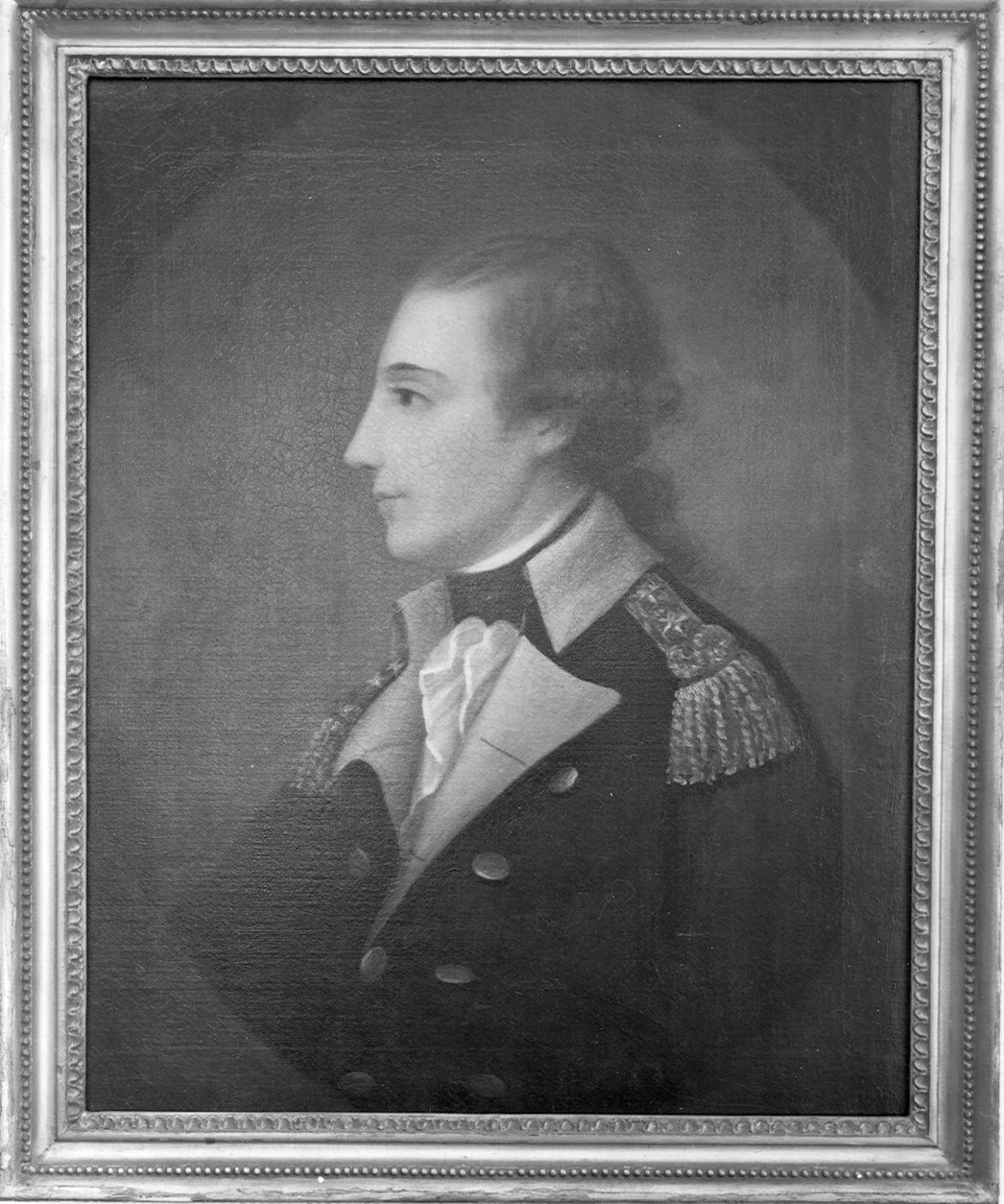 An image of the lost person\’s face was alwys preferable, and in some cases, portraits were paited after death. This could be difficult unless the painter knew the deceased. General Montgomery\’s post morten portrait can be seen at right, for instance. It has the same kind of ambiguity and lack of detail that Cornelia\’s one and only painted portrait (made from her post mortem photograph) has as well.
While it may seem odd to us today to attempt to capture the face of a dead body, the practice to earlier Americans was born of a lack of adequate imagery produced during their lifetimes. Not seen as the image of a corpse but as a last look at a deceased loved one, the momento mori was a tradition born out of a long-practiced set of behaviors based in holding onto the people who \”went before.\” Photography was by this time just the natural progession of technology providing a more accurate depiction.
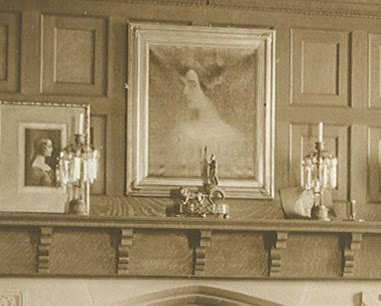 Cornelia\’s photograph, seen in this light, stops being a \”creepy\” novelty and becomes something closer to what its originators may have seen it as: the only way for her surviving young children (at 3 and 6 years old) to ever know her face.
 Clermont State Historic Site
Leave a comment