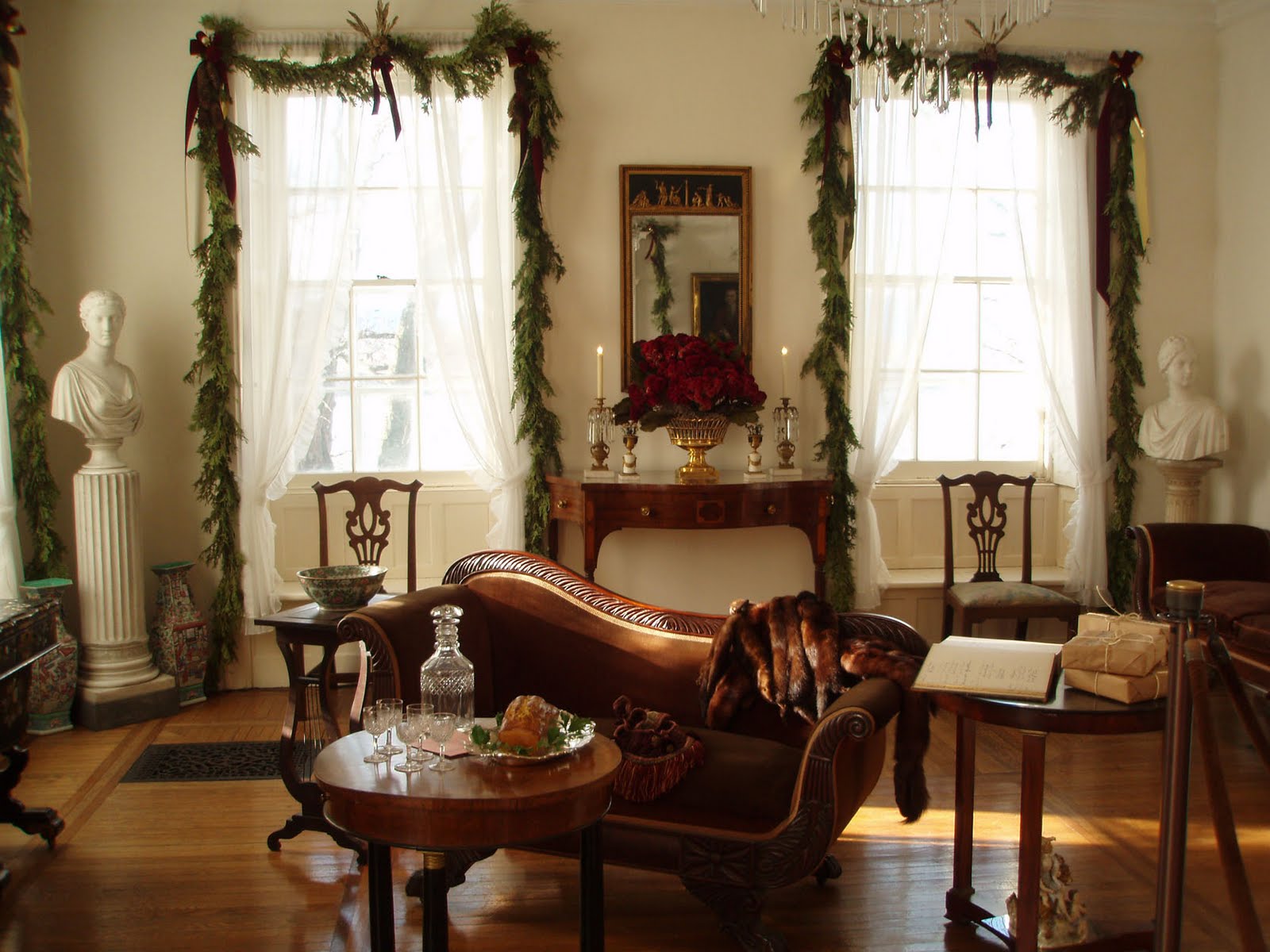
 This Christmas 2009 will see the close of Clermont\’s first all-faux year. For the first year ever, we have moved away from the use of not only flame candles, but organic plant materials. While this might not sound like very exciting news, to those of us who love Clermont\’s rich collection of material culture, it really is.
 For obvious reasons! Near-miss stories abound–\”Do you remember the year Sandy almost bumped over a candle and lit the garland on fire? Whew! We really dodged a bullet on that one!\” In 2005, this nightmare came true for the Lewis and Clark National Park when a reproduction building was burned down, possibly by a hearth fire that got out of control. Thankfully, no historic structures were damaged, but the loss of resources was still painful.
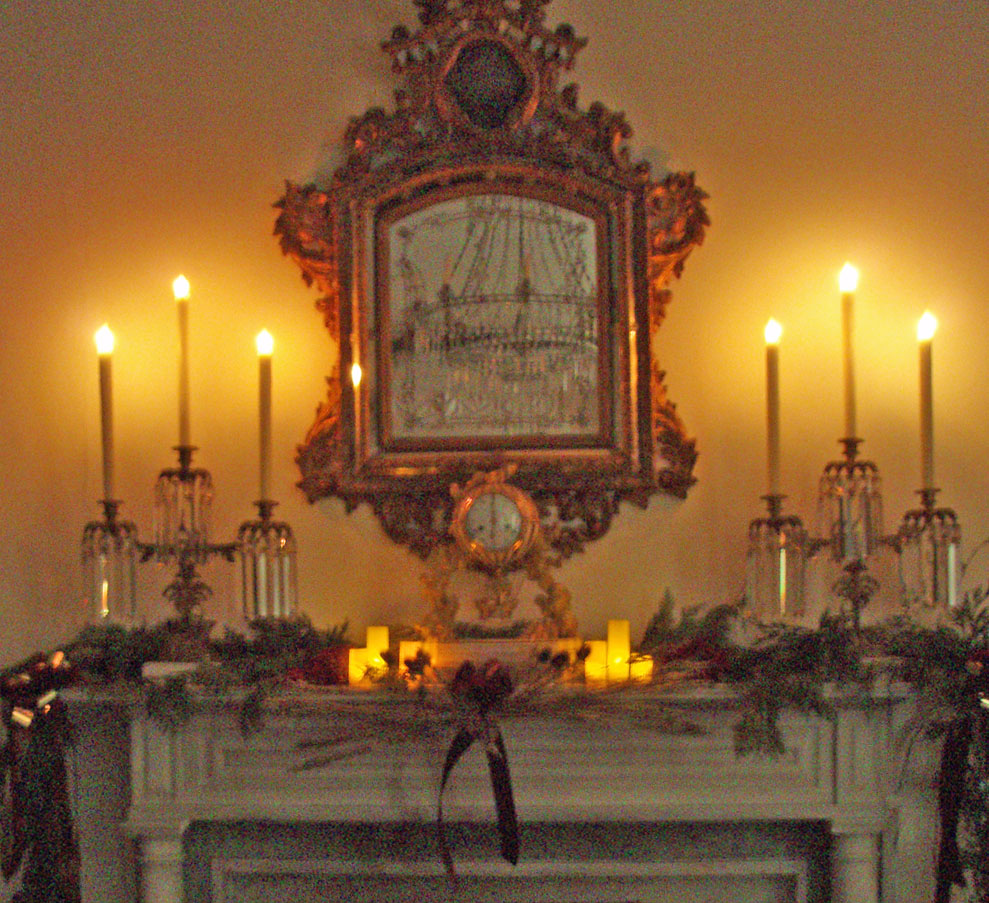 Candles and all flame have been banned in New York historic buildings since 2005. The dangers were simply too severe. Back then, our friends at the Saratoga Battlefield Historical Park had already pre-tested a wide variety of \”flameless\” candles, and they were more than willing to help us find \”the good stuff.\” We purchased bees-wax covered electric candles as a result of their research, and we have been adding to this collection of candles annually now since then.
  Live flowers or greens (especially noticable around Christmas) pose their own risks too. Both can bring in potentially damaging insects. For instance, who hasn\’t cut peonies for their house and suddenly found ants crawling out of them? Flower pots can also overflow and leave rings on historic furniture, and greens crusted with bits of snow can melt and leave water droplets that damage wood and sully unwashable textiles.

The most common damage from plants came from live spruce, boxwood, and other evergreens that shed bits of organic matter everywhere as they died slowly inside the building. These acidic bits get into the cracks between the floorboards or the joints in furniture and, over time, do cumulative damage to once-glossy finishes. It was more than just enough to break a curator\’s heart; it was enough to put us into action.
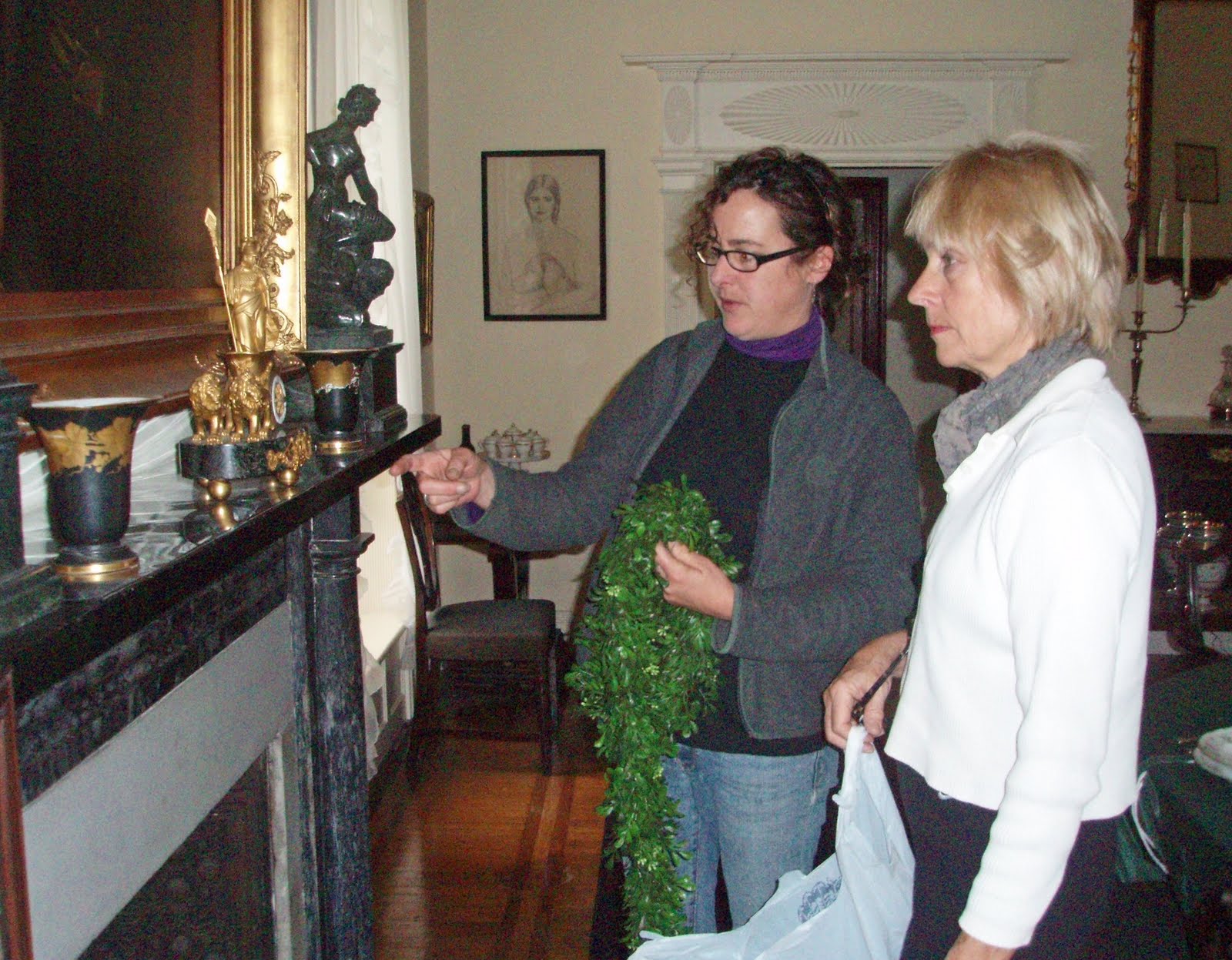 After the hazardous mess left by greens in 2008 (shown above), Clermont took steps to ensure that it could never happen again. Live plants, and all organic plant materials not already in the museum by the end of 2008, were banned.
 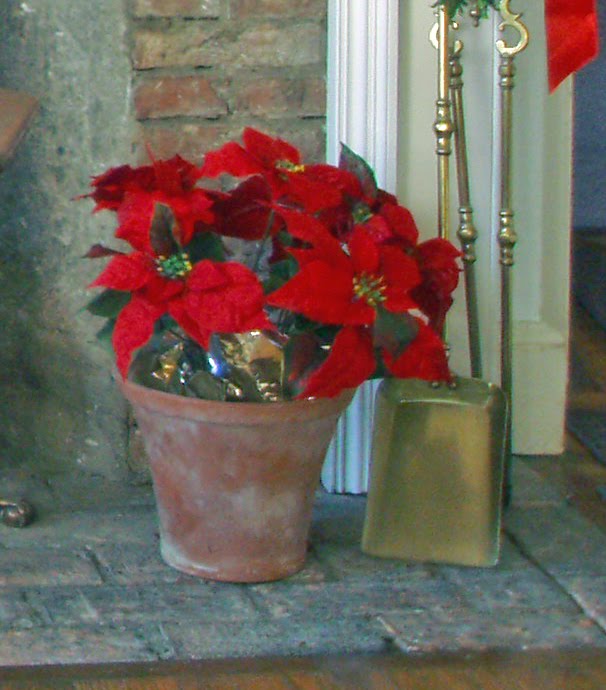 dedicated decorators? It was hard to give up the romance of live greens. A sizeable portion of the decorating budget this year went to an investment in high-quality faux greenery. Pine and spruce garland, boxwood, and ivy, along with a good dose of new faux fruit while we were at it, have \”spruced\” the place up for Christmas. We even found good quality faux poinsettias (a major fabric store chain carries them).
 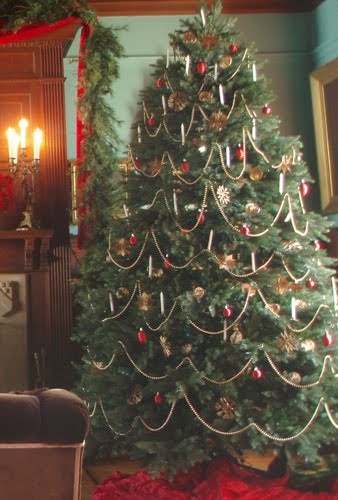 The most important purchase was a nine-foot Christmas tree, which will grace the library all month.
 Not so with faux. This year, some decorating could begin early to save stress on staff, and we can rest assured that our visitors who come closer to Christmas will see the greens looking as beautiful as the day they were put up.
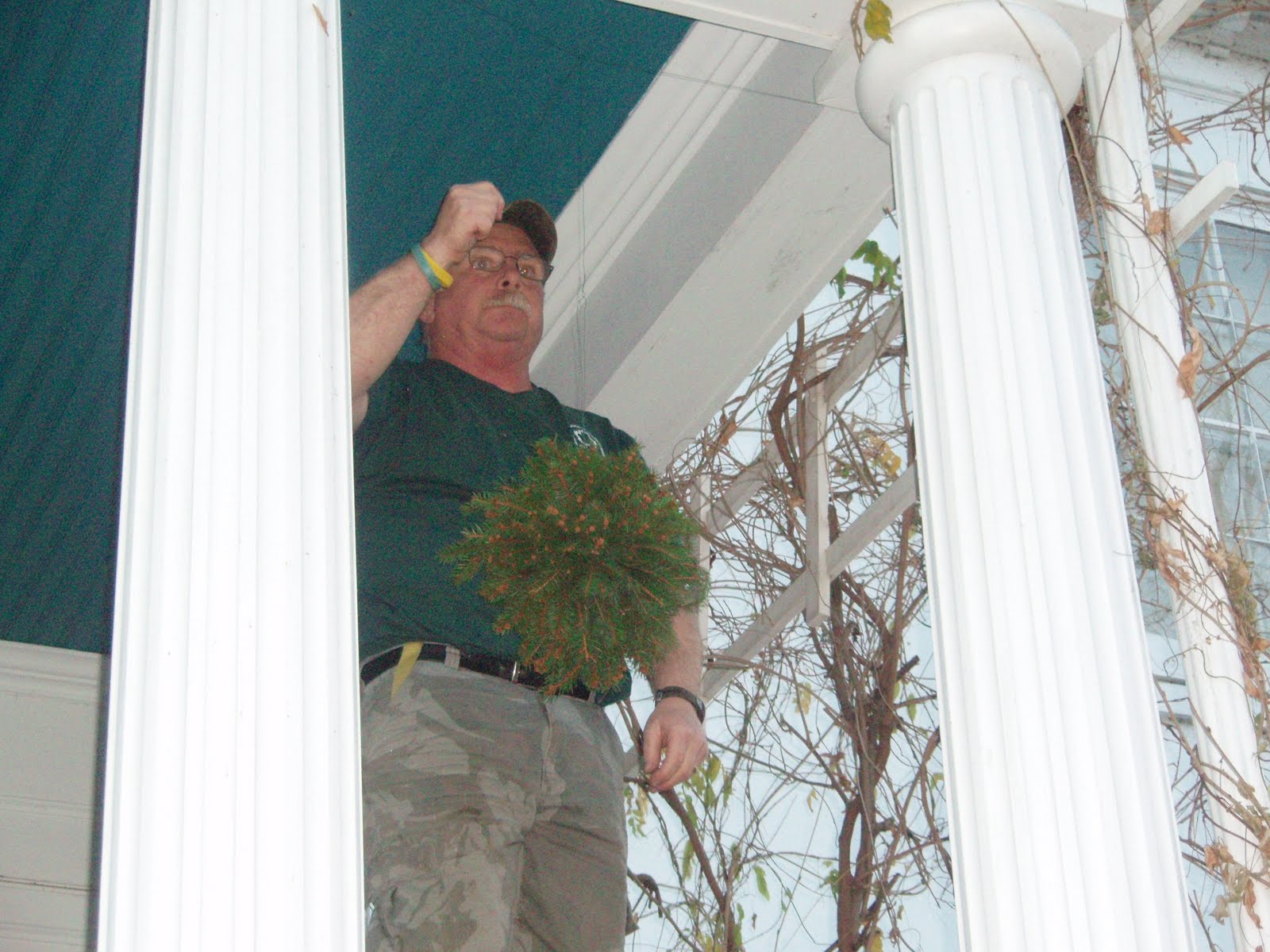 Real greens are not completely gone from our decor. This year, the back porch (which is the main visitor entrance) is sporting live garland and kissing balls, with greens cut from Clermont\’s own grounds–although some was shared from our generous nextdoor neighbors, who allowed us to trim some bits off their evergreens.
The truth is that we love the flicker of a real candle flame and the smell of pine and spruce as much as anybody, but as a museum, our concerns always have to be ballanced with protection of the artifacts. Treating potentially-fragile 18th century artifacts with kid gloves may seem obvious, but it is equally important for us to be gentle with our twentieth century artifacts. We are charged with maintaining them for the public in perpetuity, and even the smallest damage can add up over that length of time. In the interest of the artifacts, we have to accept a little faux in our \”Ho ho ho.\”
 Clermont State Historic Site
Leave a comment